
International News
Over 5,000 Deaths In The UK This Year Linked To High Temperature

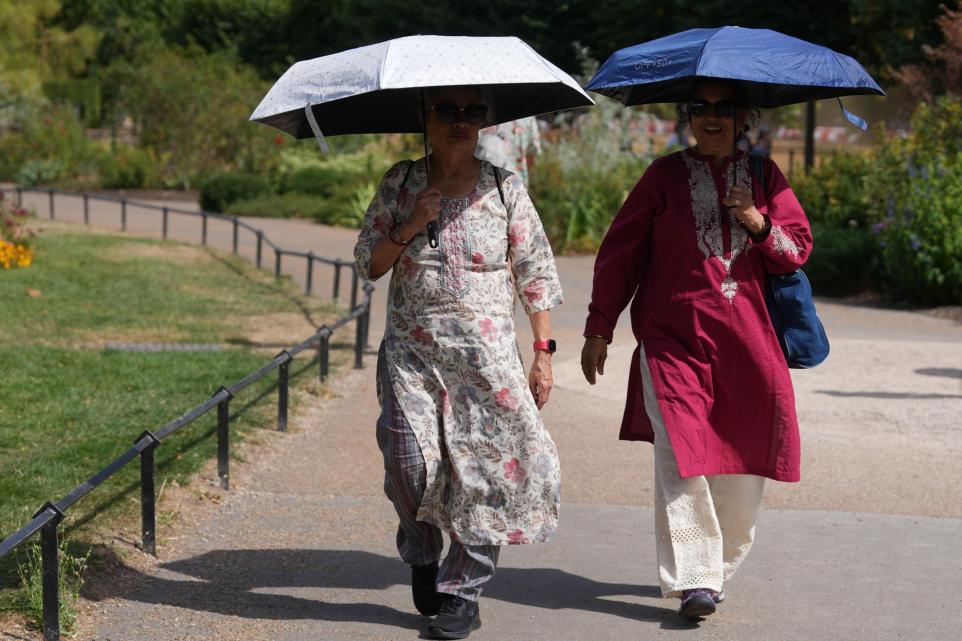
More than 5,000 deaths were linked to heat in England this year, the highest since records began in 2016, the UK Health Security Agency (UKHSA) has said.
An estimated 5,258 deaths were associated with heat after the country experienced the warmest summer on record.
The shocking statistic comes after dozens of people across the country drowned during multiple heatwaves over several months, with the first in late May and the last in mid-August.
From a grandfather who died rescuing his nine-year-old granddaughter to a woman who lost her life trying to save her dog, and children playing with friends who never to return home – the summer’s sweltering weather proved just how easy it is for happy days in the sun to turn into heartbreak.
‘Doctors thought my squeaky breathing and husky voice was asthma – the truth was devastating’
The year saw the UK experience its warmest summer on record, with parts of the country enduring multiple heatwaves over several months, beginning in late May when temperatures peaked at 35.1C at Kew Gardens in London, an all-time high for the month.
The heatwave at the end of June prompted a rare red alert from the Met Office for extreme heat and saw temperatures reach 38.0C on June 26 in Lingwood in Norfolk, another new monthly record.
As the scorching summer continued, England saw its driest July since data began, with only 7mm of rain measured, or 10% of the long-term average.
The heatwave in mid-August saw temperatures climb as high as 38.2C at Hartpury College in Gloucestershire, making it the hottest day of the year.
In its report, the UKHSA said: “Summer 2026 was an exceptional summer with the highest mortality observed since 2016 when the UKHSA began publishing annual heat mortality reports.
“Significant mortality impacts were observed early in the summer season, with over 3,000 estimated heat-associated deaths across the May and June heat episodes.”
The highest number of heat-associated deaths were recorded between June 21 and 28, when an estimated 2,401 deaths were linked to this period of extreme heat. This year’s total of 5,258 deaths follows a run of much lower annual totals, with 2,295 in 2023, 1,311 in 2024 and 1,504 in 2025.
The report said intense heat early in the summer season “can pose particular risks as unusually hot weather may occur before people, communities and services have fully prepared and are ready to respond to hot weather conditions”.
It added: “These findings therefore reinforce the importance of heat-health preparedness measures being in place from the start of the season, rather than focusing solely on the warmest periods of mid-summer.”
Dr Ross Thompson, principal environmental health scientist at the UKHSA, said: “Heat can affect anyone, but older adults, young children, pregnant women and people with underlying health conditions are at greater risk.
“Climate change is already affecting people’s health in England, and as the climate continues to warm we can expect periods of extreme heat to become longer, more frequent and more intense.
“That is why it is vital that individuals, communities, health and care services and local organisations are prepared, not just during a heatwave but in the longer term.
“The decisions we make now will shape the health impacts people experience in the decades ahead.”