
News
COMMUNITY ELECTRIFICATION PROGRAMME: LASG ENGAGES STAKEHOLDERS, RESIDENTS IN ALIMOSHO

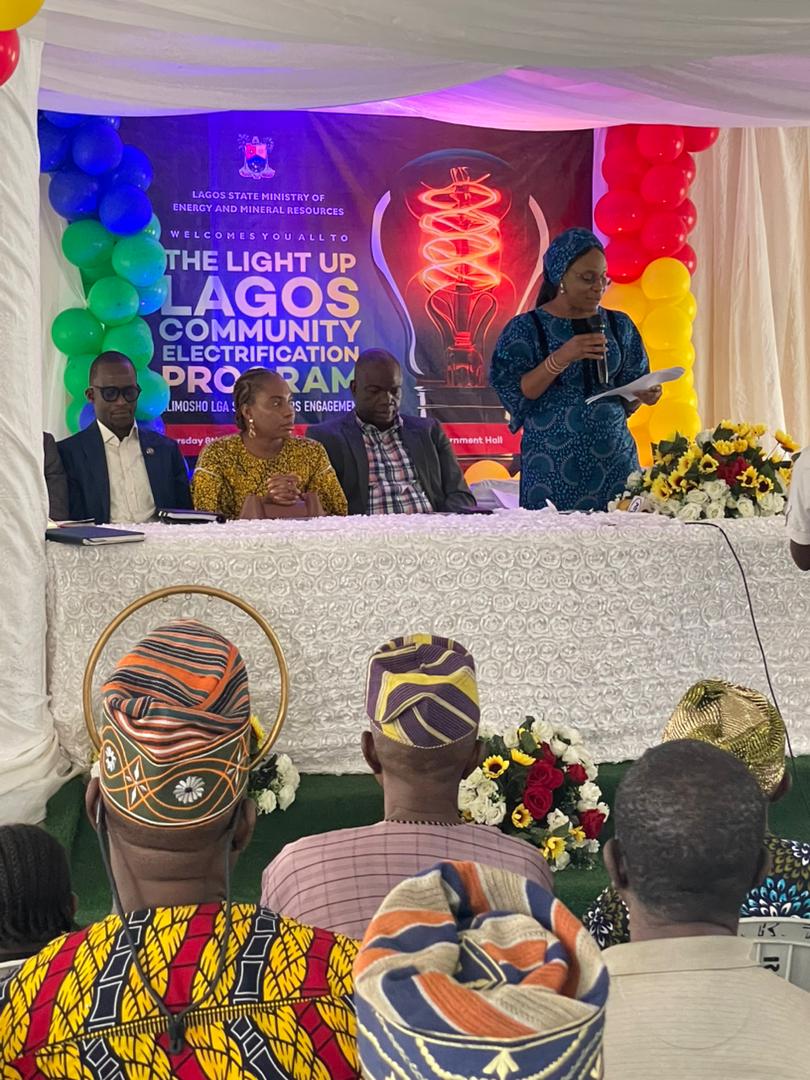
The Lagos State Ministry of Energy and Mineral Resources has organised a stakeholders’ engagement in Alimosho Local Government Area in continuation of the State Government’s efforts to ensure adequate power supply to Lagos residents through various interventions.
Speaking at the event, the Permanent Secretary of the Ministry, Ms. Sholabomi Mosunmola Shasore, said the meeting was organised in line with the inclusive policy of the administration of Governor Babajide Sanwo-Olu, who believes that the contributions of every resident in the State are essential to achieve the Greater Lagos vision.
According to her, the Light Up Lagos Community Electrification Programme is an initiative of the present administration aimed at unlocking electricity distribution, transmission and metering infrastructure to deliver reliable power supply to high-impact, high-population, low-income communities in Lagos.
She pointed out that the pilot implementation of the Power Infrastructure upgrade at target communities is being concluded at Alimosho, Orelope and Okunola; Agege, Oko-Oba and Abattoir as well as in Ajah, Eleko, Magbon and Ibeju Lekki.
“This initiative was borne out of the desire of the State Government to improve the standard of living of Lagos residents, contribute to their economic activities; increase in productivity; job creation and ultimately boost the businesses of small and medium scale enterprises including artisans who rely primarily on electricity for the survival of their businesses, as well improve the overall wellbeing of all residents in the State”, she added.
While informing that the expected impact is to improve power supply (up to 20 hours) to target communities and create a catalyst for further investment across low-income communities in Lagos State, Shasore averred that a total number of 8,613 Service Addresses connected to the feeders being installed will benefit from the improved supply covering almost 10,000 households.
Her words: “While the State Government had intervened in the functionality of electricity supply to various communities within Alimosho as a whole, the Sanwo-Olu administration is now taking it a step further by engaging with residents who are the critical stakeholders in this power intervention. Your participation is required to ensure that you reap the benefits of this Power Infrastructure upgrade”.
“With this engagement, the State Government seeks to ensure that you know your role in realising the goal of this intervention and look out and protect the infrastructure as your own. I implore the leadership of relevant CDAs, who are direct beneficiaries of this power project, to take ownership of this electrification infrastructure and protect it against vandals”, she enthused.
The Permanent Secretary stressed the importance of prompt payment of electricity bills, protection against energy theft, discouragement of meter bypassing and other illegal acts that might jeopardise the overall intention of the State Government to improve power supply to Alimosho and its environs.
She explained that the developments in the power sector with the recent amendment of the Power provision in the Nigerian Constitution of 1999 are indicative that great things are to come with regard to power and Lagos State is at the forefront.
Shasore submitted that the electricity infrastructure that has been put in place in the communities will guarantee reliable power supply as incidents of power failure, faulty transformers, cables, high and low electric current and inadequate electricity poles among others have been fully addressed.
“It is worthy to note that Alimosho Local Government and its environs have always been identified as an integral part of the Greater Lagos Rising project under the administration of Governor Babajide Sanwo-Olu and as such it is set to enjoy more dividends of democracy and good governance going forward”, she said.
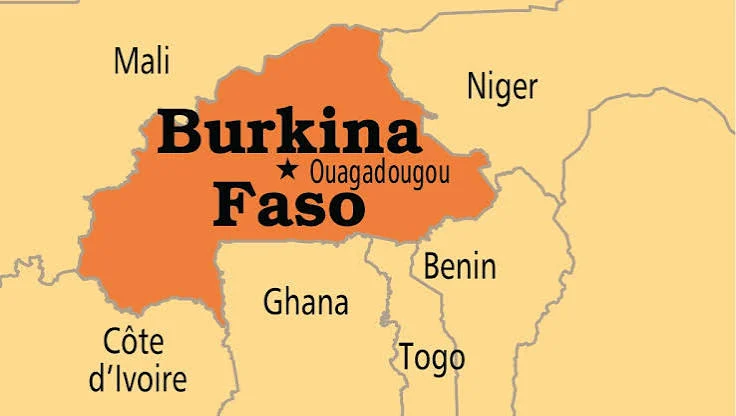
Burkina Faso’s parliament has voted unanimously to reinstate the death penalty for crimes including terrorism, espionage and treason, ending the country’s abolition of capital punishment for ordinary crimes in 2018.
All 71 members of the West African country’s transitional legislature supported the revised penal code on Tuesday, October 20, following its presentation by Justice Minister Edasso Rodrigue Bayala, according to the Associated Press.
The decision restores capital punishment nearly four decades after the country’s last known execution, which took place in 1988, according to Human Rights Watch.
The military-led government’s Council of Ministers approved a bill to restore the death penalty in December 2025, prompting criticism from international human rights organisations.
Amnesty International and Human Rights Watch warned that the move could threaten fundamental rights and be used to suppress critics of the authorities.
Burkina Faso’s military government has previously faced allegations of detaining journalists, human rights defenders and other perceived opponents. The authorities also dissolved political parties earlier in 2026 and repealed the laws governing their activities.
The reinstatement comes as the country continues to battle an armed insurgency involving militant groups linked to al-Qaida and the Islamic State group. The violence has killed thousands of people and displaced millions across Burkina Faso and the wider Sahel region.
The government has presented the tougher penal code as part of its response to the security crisis. Bayala had indicated in 2024 that the death penalty would be included in a revised criminal code.
According to Reuters, the revised code also provides for capital punishment in cases involving the importation of expired or prohibited products that result in death, although the precise scope and implementation of the new provisions will depend on the final legal text.
Human rights organisations have questioned whether restoring the death penalty will improve security, warning that it could deepen repression and create additional risks for people accused of offences.
Human Rights Watch previously said the proposed change could intensify a climate of fear and send a chilling message to critics of the military authorities.
The country’s security forces have also faced allegations of serious abuses during counterinsurgency operations. Human Rights Watch reported this year that government forces killed more than twice as many civilians as jihadist fighters between 2023 and 2025.
Armed groups, including Jama’at Nusrat al-Islam wal-Muslimin, an al-Qaida-linked organisation, have also been accused of war crimes and crimes against humanity by rights groups.
Burkina Faso, a landlocked country with a population of about 23 million, has been governed by military authorities since a coup in 2022. The junta has repeatedly delayed a return to civilian rule as it seeks to contain the insurgency.
The parliamentary vote marks a significant change in the country’s criminal justice policy. Burkina Faso abolished the death penalty for ordinary crimes in 2018 under former President Roch Marc Christian Kaboré, although the last known execution had taken place decades earlier.
The decision is likely to renew scrutiny of the country’s human rights record as authorities pursue their security campaign against armed groups.
(APNews)
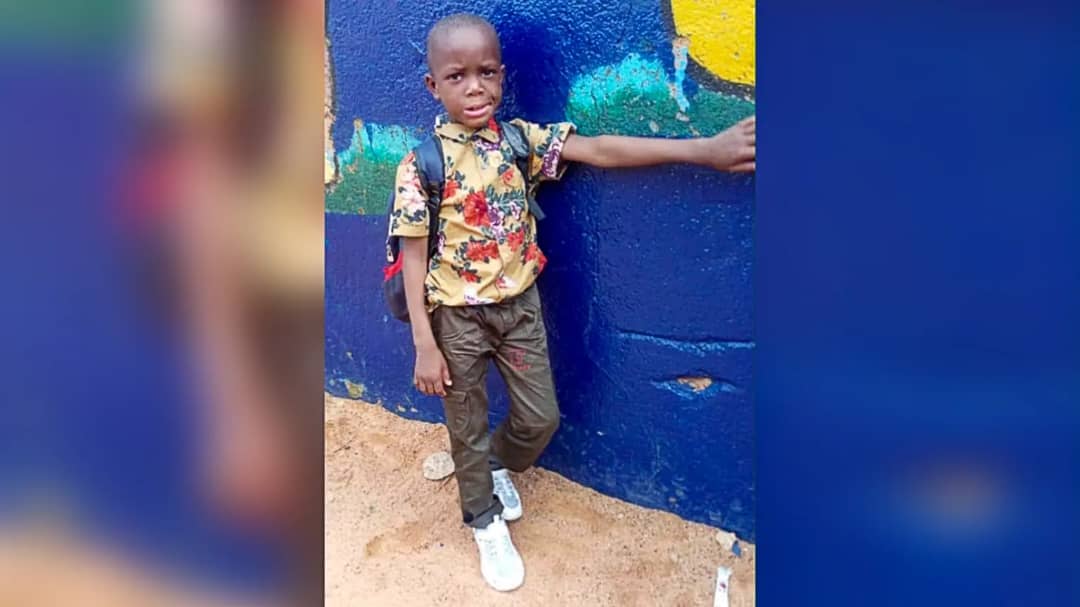
A seven-year-old boy, Abdullahi Rabi’u, has been found dead hours after suspected kidnappers abducted him in the Majema area, along Ring Road in Jos North Local Council of Plateau State and demanded a N2.5million ransom.
The boy was reportedly abducted on Monday evening after being sent on an errand to a neighbour’s house.
Narrating the incident, his uncle, Sukairaj Danladi Me Gado, said Abdullahi delivered the message but failed to return home, prompting the family to search for him.
He said their efforts to locate the boy proved unsuccessful until Tuesday morning, when the family received a call from an unidentified number.
According to him, the caller demanded N2.5million as ransom and informed the family that the boy had been kidnapped.
Me Gado said the family had agreed to pay the ransom in the hope of securing the child’s release.
However, their hopes were shattered later on Tuesday when they learnt that his body had been found in a narrow passage near their residence.
The discovery plunged the family and residents of the neighbourhood into mourning.
The grieving uncle expressed sorrow over the killing and alleged that the perpetrators might be familiar with the neighbourhood.
He called on security agencies to investigate the incident, apprehend those responsible and ensure they were brought to justice.

FCT Police Command operatives have intercepted a Lexus LX570 SUV with a concealed number plate in Maitama District of the Federal Capital Territory (FCT).
According to the Police, officers intercepted the SUV on 20th October 2026, at about 8 pm, and promptly arrested the occupant for investigation and subsequent prosecution.
Spokesperson of the command, SP Josephine Adeh, said, “Preliminary investigations revealed that the concealed number plate bore the inscription ‘PRESIDENCY’ and registration number 10B218 FG.
“Following the suspect’s claim of being the legitimate holder of the number plate, further investigations revealed that the plate’s registration documents were forged and that the suspect was impersonating a Permanent Secretary attached to the Office of the Secretary to the Government of the Federation.
“Investigations are ongoing, and the suspect will be charged to court upon their conclusion.
“The FCT Police Command urges residents to remain law-abiding, cooperate with police operations, and promptly report suspicious persons or activities to the nearest Police Station or through the Command’s emergency numbers: 08032003913, 08061581938.”
-
 Health & Wellness1 year ago
President Tinubu Directs Cut in Dialysis Cost from ₦50,000 to ₦12,000
-
News2 years ago
CBN Debunks Fake Circular on New ₦5,000 and ₦10,000 Notes
-
 Business7 months ago
Dangote Refinery Reduces Petrol Gantry Price To ₦1,200 Per Litre
-
 International News7 months ago
Indian Police Arrest Nigerian Over ₦290m Drug Haul
-
 Business7 months ago
After Plea Bargain, Court Discharges Stella Oduah of ₦2.5bn Fraud
-
Business2 years ago
Dangote; We Did Not Fix ₦600/Litre Petrol Price
-
 Trending News1 year ago
NELFUND Disburses ₦86bn To 449,000 Beneficiaries
-
 Opinion2 years ago
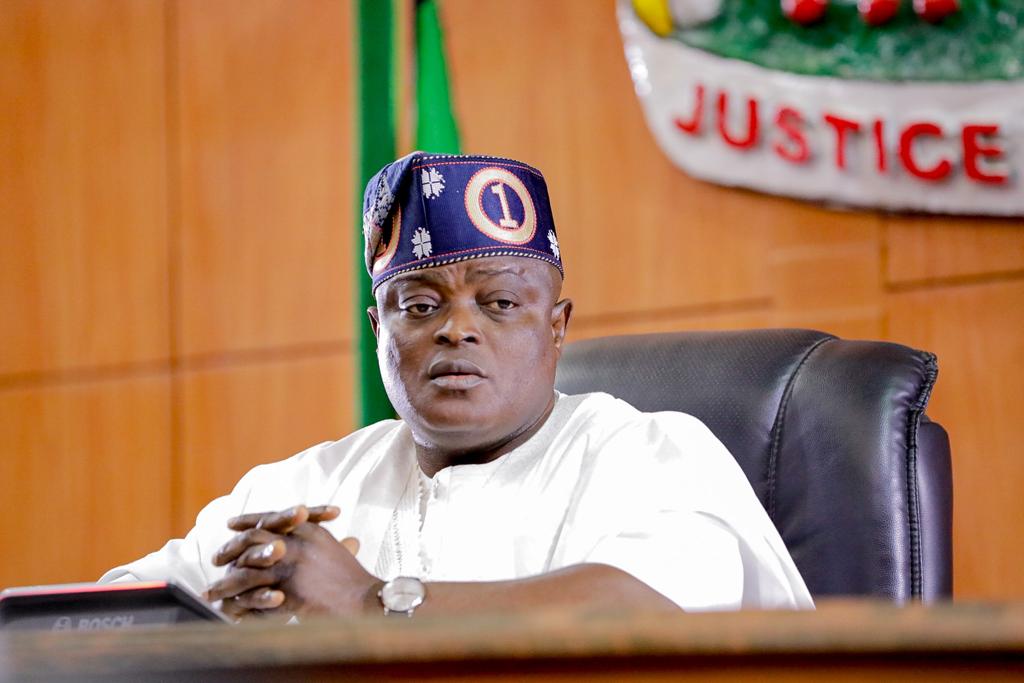
Championing the People’s Voice: Obasa’s Dedication to Grassroots Representation By Dave Agboola⁰