
International News
Benin Republic Orders Probe After Violence Kills 15 In North

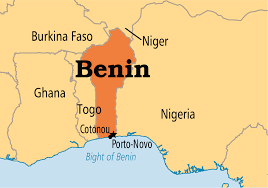
President Patrice Talon has ordered an investigation into military operations after deadly violence by “criminals” in northern Benin killed around 15 people, a government spokesman said.
Benin officials rarely give details about attacks in the north, where Benin like other Gulf of Guinea nations faces the growing threat of spillover from jihadist conflicts across the border in Burkina Faso.
Smuggling gangs and traffickers also operate along the border area.
Speaking to reporters on Wednesday, government spokesman Wilfried Houngbedji did not describe any attack or blame any group, but offered condolences to “bereaved families” in the “tragedy”.
In a text message to AFP, he later confirmed “around 15 deaths.”
“When these criminals try to establish themselves and do not succeed because there is a response (…) from the defense and security forces, they work to demoralize the local population, by carrying out reprisal operations of this nature,” he told reporters.
They want to “shock people and make them believe that the security response is not up to the task, and that they can only be saved by rallying to their cause”, he said.
He said the presidency had ordered an investigation, saying the “tragedy” was avoidable and that there had been a problem in the chain of military operations.
His comments were the first government reaction to what local residents said was an attack earlier this week in the Kerou area. Seven people had their throats slit while others were still missing, residents told AFP.
A police source said attackers had also killed three more people in the Banikoara area in northern Benin a day later, though officials have made no official comment about that incident.
Benin forces say they have faced around 20 incursions from across the border since 2021. Neighbouring Togo has also suffered attacks on its northern frontier area.
In a rare acknowledgement, Togolese President Faure Gnassingbe last month said 40 soldiers and 100 civilians have been killed in what he described as jihadist “war” in northern Togo.
Ghana last month also sent 1,000 more troops and police to the northern area of Bawku to reinforce security after gunmen killed an immigration officer and wounded two others near the border with Burkina Faso.
Bawku, in Ghana’s Upper East region, faces a simmering ethnic dispute that often flares into violence, as well as spillover risk from the neighbouring jihadist conflict.
With Islamist militants controlling large parts of Burkina Faso, the United States and other Western partners are looking to help Ghana, Togo, Benin and Ivory Coast strengthen their defences.
Ghana is also pushing the so-called Accra Initiative to bolster security cooperation and intelligence sharing among Gulf of Guinea neighbours and Sahel countries.
A French troop withdrawal from Mali in the face of hostility and disputes with the ruling junta has refocused Western partners to aid coastal West African nations battle the Sahel conflict’s southward shift.
AFP
The National Hajj Commission of Nigeria (NAHCON) has announced that the Kingdom of Saudi Arabia has declined Nigeria’s request for an upward review of its 2027 Hajj allocation, leaving the country’s quota unchanged despite growing demand from intending pilgrims nationwide.
The Commission disclosed that it had formally engaged the Saudi Ministry of Hajj and Umrah, seeking additional pilgrimage slots to accommodate the increasing number of Nigerian Muslims desirous of undertaking the sacred journey and to address appeals from several state pilgrims’ welfare boards for enhanced allocations.
However, Saudi authorities communicated their inability to grant additional slots, citing capacity limitations, structural constraints within the holy sites, and the Kingdom’s policy of strict adherence to approved country quotas under the current operational framework.
Consequently, Nigeria’s allocation for the 2027 Hajj exercise remains fixed at 35,000 slots for government pilgrims and 15,000 slots for licensed tour operators, bringing the country’s total approved allocation to 50,000 pilgrims.
Commenting on the development, the Chairman and Chief Executive Officer of NAHCON, Ambassador Ismail Abba Yusuf, said the Commission fully understands the disappointment the decision may cause many aspiring pilgrims and state pilgrim boards that had hoped for additional allocations.
According to him, the Commission explored all available diplomatic and operational channels in pursuit of an increased quota but respects the final decision of the Saudi authorities.
“We appreciate the deep spiritual desire of many Nigerian Muslims to perform Hajj and understand the expectations of states and stakeholders seeking additional slots. While every effort was made to secure an upward review, the Saudi authorities have communicated their final position based on operational realities and capacity considerations,” Ambassador Yusuf stated.
The NAHCON Chairman urged state pilgrims’ welfare boards, agencies and licensed tour operators to make judicious and transparent use of their approved allocations while ensuring strict compliance with all timelines established by the Commission and the Saudi Nusuk platform.
He emphasized that the deadline for uploading the data of all prospective pilgrims for the 2027 Hajj exercise remains September 26, 2026, warning that no extensions would be granted under any circumstance.
“Kindly note that the deadline for uploading prospective pilgrims’ data remains September 26, 2026. We urge all partners, state pilgrim boards, tour operators and representatives to ensure that all required information is submitted before this date, as no extensions will be granted,” he said.
Ambassador Yusuf further advised intending pilgrims who may be unable to secure a slot under the approved 2027 allocation not to lose hope, revealing that preparations for the subsequent pilgrimage season have already commenced.
“Individuals who were unable to secure a slot for the upcoming Hajj are encouraged to register for the 2028 Hajj. The Commission has officially opened the registration portal for this period, and applications are now being accepted,” he added.
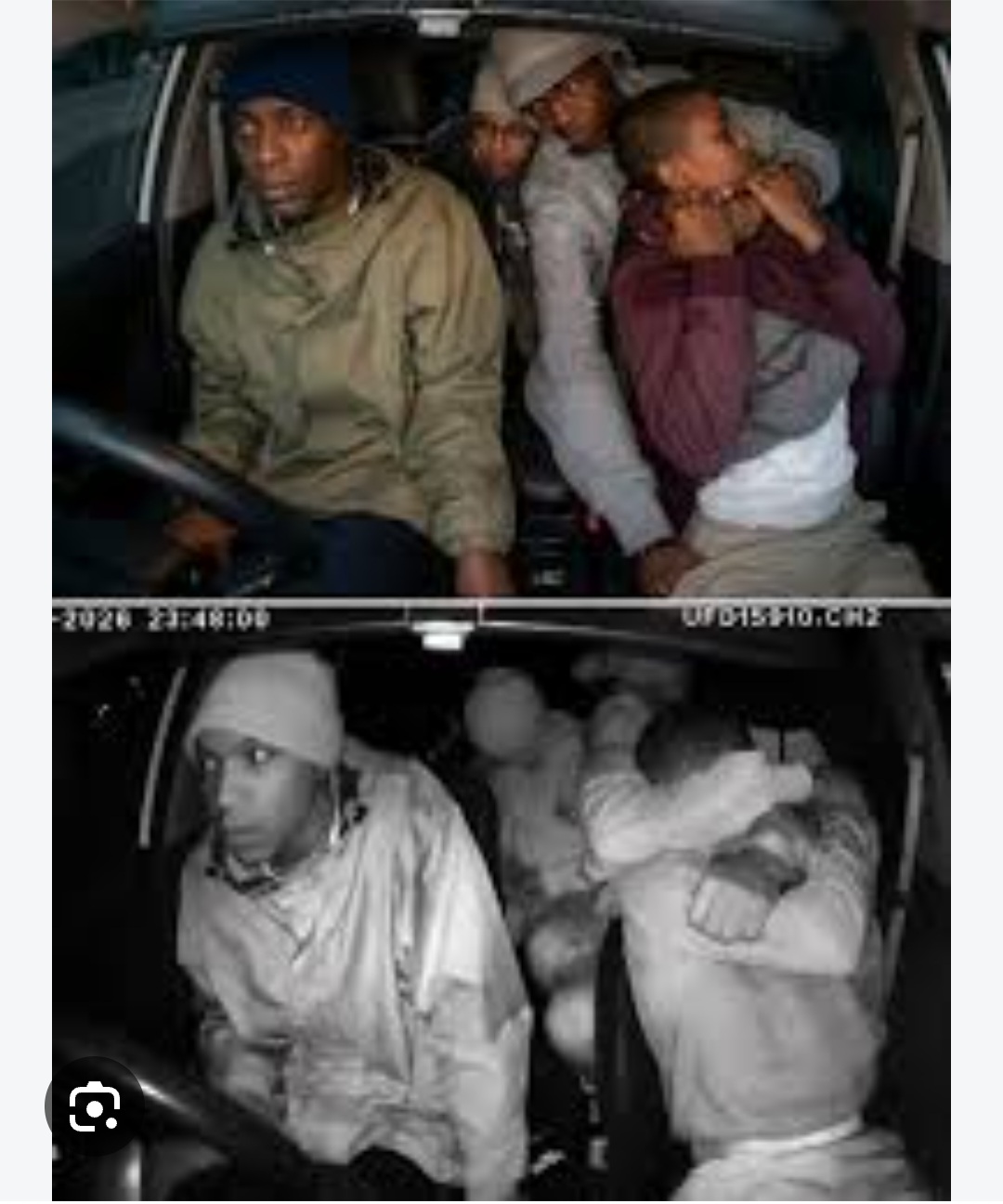
South African police have arrested five suspects after rescuing a 25-year-old e-hailing driver who was allegedly kidnapped, raped and held for ransom in Cape Town.
The South African Police Service (SAPS) said in a statement on Sunday that Steenberg police rescued the driver after he was allegedly raped by two female suspects and held at ransom by the group.
Police were alerted by the victim’s brother after the suspects contacted him and demanded R4,000 in cash for the driver’s release.
According to SAPS, the police used the victim’s vehicle tracker to locate him at Southampton Road in Heathfield, where he was rescued.
“Steenberg police rescued a 25-year-old e-hailing driver after he was raped and held at ransom by two female suspects and three males yesterday,” the police said.
The victim had reportedly met one of the female suspects the previous week through his e-hailing business.
According to police, the two exchanged telephone numbers and communicated throughout the week before arranging to meet.
“When he went to meet her, he was kidnapped by the suspects and the females raped him,” SAPS said.
Police subsequently arrested the two female suspects, aged 23 and 34, as well as three male suspects aged 16, 42 and 48.
The five suspects are expected to appear before the Wynberg Magistrate’s Court on Monday, September 14, 2026.
SAPS said they would face charges relating to the alleged kidnapping and rape.

A 31-year-old woman in the United Kingdom will spend more time in prison after falsely accusing 10 men of rape, following intervention by Attorney General Ellie Reeves.
Bolton, had her sentence increased by two years and six months after Reeves referred her case to the Court of Appeal under the Unduly Lenient Sentence scheme.
Sharples contacted men on Facebook and dating apps between 2013 and 2020, arranged to meet them in person, and then made false claims of rape against them to the police.
The court heard how the convict repeated and sustained the accusations, which led to eight separate police investigations involving ten innocent victims.
The government said the majority of those wrongfully accused were arrested and held in custody, resulting in months of investigations and over 550 hours of police time.
The victims described the impact that false allegations had on their daily lives, including loss of relationships, employment, and lasting damage to their mental health.
“Anyone who seeks to exploit or undermine genuine acts of violence against women and girls must be held to account,” said Attorney General Reeves.
The top justice official advised genuine victims to come forward, saying every report of rape is rightly taken seriously and treated with the care it deserves.
On March 11, March, Sharples was sentenced to four years and six months’ imprisonment for 10 counts of obstruction of justice. The Court of Appeal increased it to 7 years on September 9.
-
 Health & Wellness1 year ago
President Tinubu Directs Cut in Dialysis Cost from ₦50,000 to ₦12,000
-
 News1 year ago
PICTURE: In Lagos Couple Sentenced to 22½ Years for Cannabis Trafficking
-

 Business6 months ago
Dangote Refinery Reduces Petrol Gantry Price To ₦1,200 Per Litre
-
 Trending News1 year ago
NELFUND Disburses ₦86bn To 449,000 Beneficiaries
-
 Business2 years ago
Heritage Bank Customers’ Path to Securing ₦5m Insured Funds: A Step-By-Step Guide by NDIC”
-
Business2 years ago
Dangote; We Did Not Fix ₦600/Litre Petrol Price
-

 International News6 months ago
Indian Police Arrest Nigerian Over ₦290m Drug Haul
-

 Business6 months ago
After Plea Bargain, Court Discharges Stella Oduah of ₦2.5bn Fraud