
News
FG Sets For Fresh Hike In Electricity Tariff

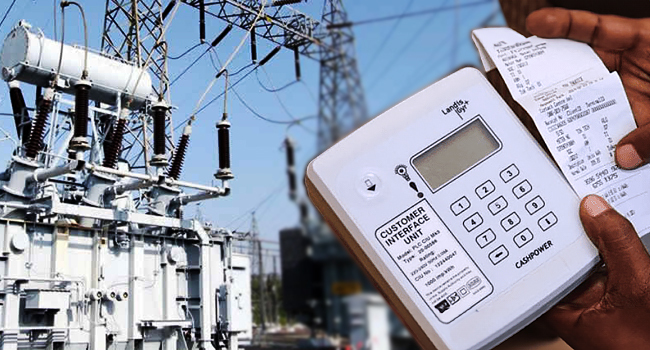
The Minister of Power, Adebayo Adelabu, has stated that the federal government is working on transitioning to a cost reflective tariff to stop an increase in the N4trn debt it owes the sector.
The minister who spoke during the Mission 300 Stakeholders’ Engagement meeting in Abuja, said this is part of reforms to set the power sector on the path of sustainability and bankability.
It would be recalled that despite the increase of electricity tariff for Band A customers, electricity consumers have complained of low electricity supply and continuous payment of faulty electricity installation.
But Adelabu said the decision is critical to the economic growth and development of Nigeria.
“Currently, there’s a huge outstanding debt to the power generation companies in the form of unpaid government subsidies which stands at about N4trn as of December 2024.
“The Federal Government is already working out modalities to defray this obligation and to ensure that further obligations are not accrued going forward, the government is working on a plan to transition the sector to a fully cost-reflective regime while implementing targeted subsidies for the economically vulnerable citizens in the country.”
The implication of this is that the government would end the subsidy regime in the electricity sector which would trigger an increase in tariff across board.
Report says government had accrued N1.1tr as subsidy payment in the first six months of 2025 making its debt climbing to N5tr.
The minister in a statement by his media aide, Bolaji Tunji, said improving power generation through recovery of idle capacities and expanding energy mix to ensure energy security and to dilute the power pool with cheaper and cleaner energy sources would be a priority.
He announced the priorities of the government in power sector reforms to include “addressing the market liquidity issues and initiating required sector reforms”.
“Other areas included expanding transmission infrastructure to deliver more power, ensuring stability of the national grid to put an end to several grid disturbances and collapses previously observed on the grid, and to further strengthen the coordination and management of the national grid.
The Minister also said that the ministry is pursuing increased renewable energy through its rural electrification and energy transition drive, to provide a reliable power supply to unserved and underserved communities.
He said the stakeholders meeting would provide an opportunity for them to align, strategize, and to build the partnerships needed to move from Nigeria Energy Compact, to concrete results, as he called on development partners, the private sector, philanthropic actors, the public sector, and the civil society organizations to rally around this mission.
The Minister of Finance, Chief Wale Edun, who spoke through zoom from Brazil also said that the reforms the government was undertaking in the power sector were critical towards unlocking the full potentials of the economy as it would lead to job creation. He said the reforms have led to over 40 percent increase in power distribution in the first quarter of 2025.
Cost reflective tariff versus allowed tariff
The cost reflective tariff for Band A – Non-MD customers is N231.79 while the allowed tariff is N209.50, Band A – MD1, cost reflective tariff is N225.90 while allowed tariff is N209.50 similarly, cost reflective tariff for Band A – MD2 is N220.01 while allowed tariff is N209.50.
For Band B – Non-MD, cost reflective tariff is N223.94 while allowed tariff is N68.96; Band B – MD1 cost reflective tariff is N220.01 while allowed tariff is N67.18, Band B – MD2, cost reflective tariff tariff is N216.08 while allowed tariff is N67.12.
For Band C- Non-MD, cost reflective tariff is N209.32 while allowed tariff is N56.38; Band C-MD1 cost reflective tariff is N200.37 while allowed tariff is N54.64 and Band C – MD2 cost reflective tariff is N200.37 while allowed tariff is N54.64.
Band D – Non-MD cost reflective tariff is N164.34 while allowed tariff is N39.67; Band D – MD1 cost reflective tariff is N207.67 while allowed tariff is N55.4; Band D – MD2 cost effective tariff is N207.56 while allowed tariff is N55.43.
Lastly, Band E – Non-MD cost reflective tariff is N145.07 while allowed tariff is N39.44, Band E – MD1 cost reflective tariff is N207.35 while allowed tariff is N55.43 and Band E – MD2 cost reflective tariff is N207.35 while allowed tariff is N55.43.
Consumers kick
According to a Daily Trust report, the President of Nigeria Consumer Protection Network, Kunle Olubiyo, said any increment with the current service delivery means electricity consumers will be fleeced by utility companies.
He said there has not been an increase in power generation, transmission infrastructure or upscale of distribution networks despite band segmentation helping to triple the inflow of revenue in the last one year.
“If you increase across boards, what assurance will there be of cost-reflective service? The Performance Improvement Plan, and investment in infrastructure, in the last 10 years, have not brought about any increase in generation, transmission evacuation, and distribution.
“You can imagine that between 2015 to date, we’ve only added 400 megawatts, because as of the time of Jonathan’s administration, we celebrated equilibrium of generation, transmission, and distribution at 5,600 megawatts. And now, since 2015, when Jonathan was leaving, to date we’ve not been able to hit 600 megawatts.”
He added that the government needs to make decisions to reflect political economy and political sensitivity, adding they should put people at the heart of its policies.
“The bullets should not be fired simultaneously such that it may have unintended consequences politically for the present administration. So, tariffs should not be at the expense of enforcement or implementation of the commitment to service level agreement.”
On his part, the CEO at Sage Consulting & Communications, Bode Fadipe, said the issue of liquidity has been a major challenge in the sector which has affected investment.
He said as long as there is no right investment in the sector, the sector will not progress.
But there is also the second argument that at what point can you say that you have achieved cost reflectivity, given the number of adjustments that you have seen in the sector, vis-a-vis the performance of the sector itself? What has been the consequence?”
He added that Band A customers that have increased the revenue in the sector are still not enjoying the amount that they pay for 20 hours and above.
“When you come from that perspective, you then begin to wonder whether another adjustment, or what has been described as cost reflectivity, will solve the problem.”
He stated that this means cost reflectivity is not the only problem that is plaguing the sector.
‘We must stop concentrating on costs’
“Why are we not addressing the other issues, policy issues, for instance, that are plaguing the sector? Why is it that it is only costs that we are concentrating on, and we are not looking at other issues that are associated with the sector? These are fundamental things. I do concede that the liquidity issue has been a historical factor, but is it the only problem that requires the kind of attention that liquidity is receiving?”
“I know that Generation is being owed about N4tr and the government is wondering where will they get the money from as the market is under that burden, but is it cost reflectivity alone that will bring about a translation into the power sector that we all desire? So for me, I think we really need to sit down and do a critical examination of the sector, and not that we’ll just be adjusting price alone.”
An electricity consumer on Band C, Abubakar Aliyu, said he gets less than 6 hours of electricity daily and on some days his community in Gwagwalada would be in total darkness.
He said any increase in electricity tariff will have to come with increased service, adding that he doubts if the DisCos have the capacity to do it.
“It is just like the electricity is being rationed as the electricity fluctuates daily. This move will be very bad as we all know how poor the DisCos are in terms of service delivery and repairs of faults. Even if the government wants to increase the tariff, they should ensure everything is in order first.”
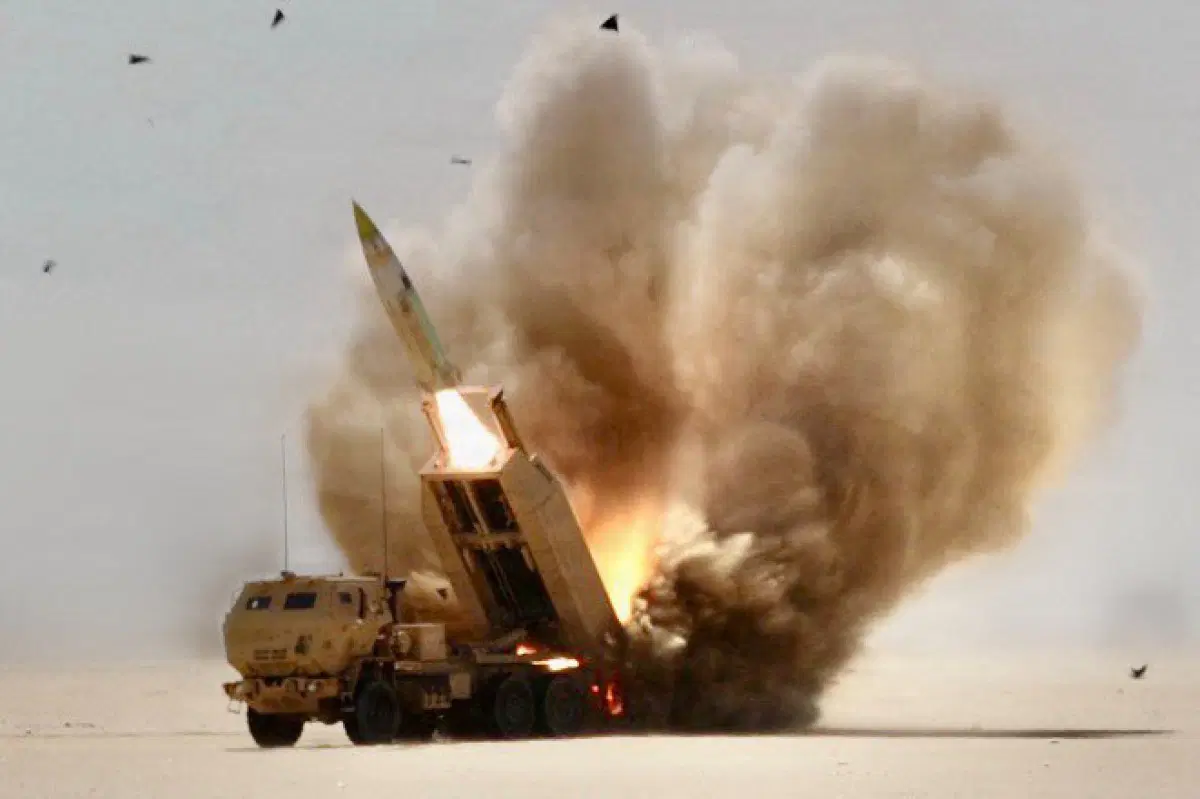
As the stand-off over the Strait of Hormuz continued, following its effective blockade by Iran, the US and the gulf state are trading threats of further destruction of energy and oil infrastructure across the Middle East with US President, Donald Trump, saying Tehran would face possible obliteration of its energy facilities if it failed to reopen the channel within 48 hours.
In a swift response, Iran threatened to irreversibly destroy US-linked energy sites across the Middle East if its power plants were targeted.
The 48 hours deadline expires today.
Trump’s ultimatum came hours after two Iranian missiles struck southern Israeli towns of Arad and Dimona, injuring more than 160 people in the most destructive attack since the war began.
This, the Israeli Prime Minister, Benjamin Netanyahu, vowed to retaliate “on all fronts”.
Iran had blocked the vital waterway, which carries a fifth of global crude oil trade in peacetime, as its key leverage in the war.
The standoff has sent crude oil prices soaring, with North Sea Brent crude now trading above $105 a barrel, as long-term consequences for the global economy become an acute concern.
The ultimatum, made just a day after the US president said he was considering winding down military operations after three weeks of war, came as the key oil passage remained effectively closed and thousands more US Marines headed to the Middle East.
Iran’s foreign minister, Abbas Araghchi, said Tehran had imposed restrictions only on vessels from countries involved in attacks against Iran, and would assist others that stayed out of the conflict.
Meanwhile, issuing the threat via his Truth Social, Trump said that the US would “hit and obliterate various Iran power plants starting with the biggest one first if Tehran did not fully reopen the strait within 48 hours.”
Reinforcing Trump’s threat, US Treasury Secretary, Scott Bessent, said the US may need to “escalate” its attacks against Iran to be able to wind down the war.
Asked on NBC’s “Meet the Press” if Trump was winding down or escalating the war, Bessent said: “They’re not mutually exclusive. Sometimes you have to escalate to de-escalate.”
“This is the only language the Iranians understand,” he argued.
Iran threatens US-linked Gulf energy sites after
In response to Trump’s threat, Iran’s army said it would target energy and desalination infrastructure belonging to the US and the regime in the region, according to the Fars news agency.
In a post on X, speaker of the Iranian parliament, Mohammad-Bagher Ghalibaf,
said that vital infrastructure, energy and oil facilities throughout the region will be considered “legitimate targets” and would be destroyed in an irreversible manner.
“Immediately after the power plants and infrastructure in our country are targeted, the critical infrastructure, energy infrastructure, and oil facilities throughout the region will be considered legitimate targets and will be destroyed in an irreversible manner, and the price of oil will remain high for a long time,” Ghalibaf said.
Similarly, Iran’s Islamic Revolutionary Guard Corps (IRGC) intelligence unit in a post on X published by the IRGC affiliated Fars News Agency, said that it is thinking “beyond just the region”.
The post explained that this referred to a “red target bank” of technological and political targets in response to threats against power plants, suggesting that action could be taken “in less than 48 hours”.
The post also lists several achievements the IRGC claimed to have made during the war, including what it described as the “consolidation of power in the Strait,” and “control of global energy.”
To completely shut down the strait
Besides the threats of targeting energy infrastructure across the region, Iran’s military also threatened to completely shut down the strategic Strait of Hormuz if Trump acts on threats to target the country’s power plants.
“If the United States’ threats regarding Iran’s power plants are carried out… the Strait of Hormuz will be completely closed, and it will not be reopened until our destroyed power plants are rebuilt,” the military’s operational command, Khatam Al-Anbiya, said in a statement carried by state TV.
The military said it would also strike Israel’s “power plants, energy, and information and communications technology (ICT) infrastructure”, along with power plants in regional countries hosting US bases and companies with US shareholders.
It added that the measures will be taken “to defend our country and the interests of our nation”.
Iran charges $2m from ships passing through Strait of Hormuz – Iranian MP
BBC quoted Iranian Member of Parliament, Alaeddin Boroujrrdi, as saying on state TV that some of the ships that pass through the Strait of Hormuz were being charged “ a $2 (£1.5) million fee” by Iran.
He said that a “new governing regime” was being imposed in the Strait claiming that “war has costs”. According to him, the closure of the Strait shows the “authority and right that the Islamic Republic of Iran possesses”.
Iran’s deadly strikes on southern Israel injures 160
Meanwhile, retaliating against Israel’s strike on its Natanz nuclear facility, Iran struck southern Israel towns of Arad and Dimona, injuring more than 160 people in the most destructive attack since the war began. The Israel prime minister, Benjamin Netanyahu, vowed to retaliate “on all fronts”
The strikes, which slipped through Israel’s missile defence systems, tore open the facades of residential buildings and carved craters into the ground.
First responders said 84 people were injured in the town of Arad, 10 of them seriously. Hours earlier, 33 were wounded in nearby Dimona, where AFPTV footage showed a large hole gouged into the ground next to piles of rubble and twisted metal.
Dimona hosts a facility widely believed to be the site of the Middle East’s only nuclear arsenal, although Israel has never admitted to possessing nuclear weapons.
The Israeli army told Agence France-Presse there had been a direct missile hit on a building in Dimona, with casualties reported at multiple sites, including a 10-year-old boy in serious condition with shrapnel wounds.
Iran said the targeting of Dimona was retaliation for Israeli strikes on its Natanz nuclear facility, with the IRGC saying forces also targeted other southern Israeli towns as well as military sites in Kuwait and the UAE.
The Natanz facility hosts underground centrifuges used to enrich uranium for Iran’s disputed nuclear programme; it sustained damage in the June 2025 war.
The Israeli military denied it was behind the Natanz strike, but said it had struck a facility at a Tehran university that it claimed was being used to develop nuclear weapon components for Iran’s ballistic missile programme.
Attacks on nuclear sites create escalating threat to public health, WHO chief warns
The Iran war has reached a “perilous stage” as both sides target nuclear facilities, the Director-General of the World Health Organisation, Tedros Adhanom Ghebreyesus, has warned.
Ghebreyesus said the International Atomic Energy Agency was looking into both attacks.
“No indications of abnormal or increased off-site radiation levels have been reported,” he said in a post on X.
But he added: “Attacks targeting nuclear sites create an escalating threat to public health and environmental safety.
“Since the outbreak of hostilities, WHO has provided critical training to its own staff and UN personnel across 13 countries to help them respond effectively to public health threats in the event of a nuclear incident.
“I urgently call on all parties to exercise maximum military restraint and avoid any actions that could trigger nuclear incidents.
“Peace is the best medicine.”
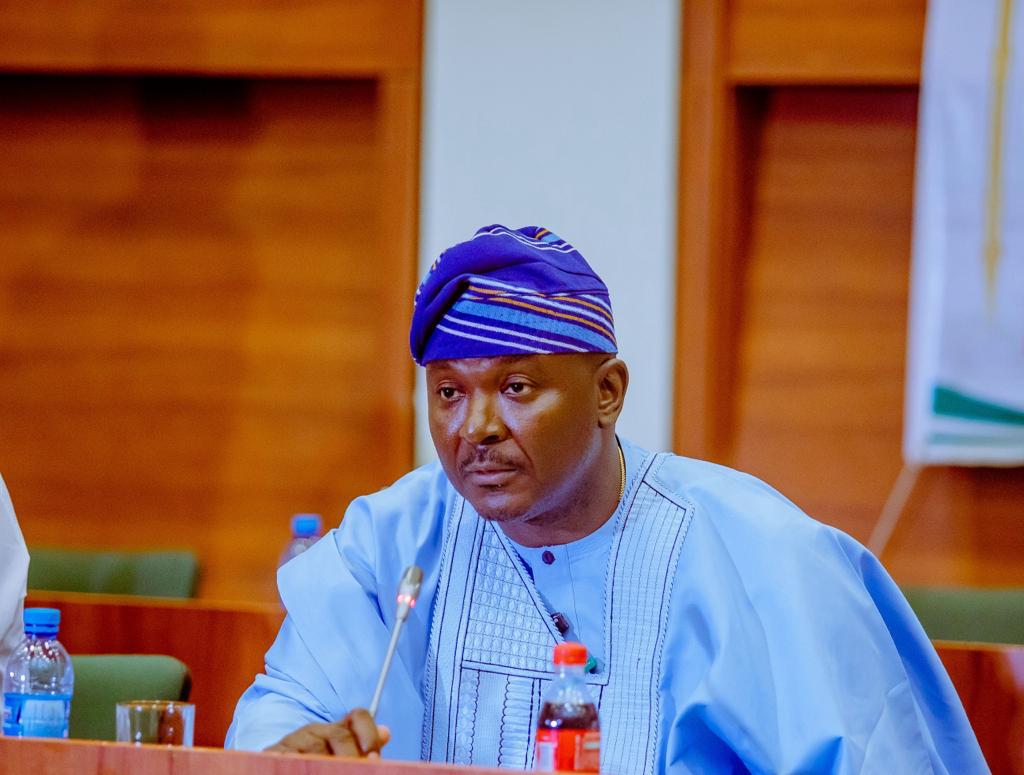
There is palpable tension in Egbeda/Ona-Ara Federal Constituency of Oyo State, as a group of youths staged a protest opposing what they described as an alleged move by Alabi to pursue a third term in the House of Representatives.
Alabi, an entrepreneur and author, is currently serving his second term in the 10th National Assembly, representing Egbeda/Ona-Ara. A ranking member of the House, he chairs the Committee on Works. He is also the founder of NairaBET and owner of Lekki United F.C.
According to a statement made available to the columng by a journalist Tosin Faleye, protesting youths opposed to his continued representation argued during a street procession, that after completing two terms — amounting to eight years — leadership should rotate to allow fresh representation and new ideas.
Placards displayed during the protest carried messages demanding accountability, transparency, and measurable development outcomes. Some demonstrators alleged that infrastructure projects and empowerment initiatives in parts of the constituency have not met expectations.
Several residents who spoke during the protest expressed concerns about what they described as limited grassroots engagement and insufficient visibility of constituency projects.
Allegations and Counterclaims
The development comes amid broader national conversations surrounding lawmakers’ constituency project allocations, particularly following the removal of petrol subsidy.
At a media and civil society roundtable organised by the International Press Centre (IPC) in Abuja, House spokesperson Akin Rotimi dismissed claims of increased constituency allocations as false, attributing the reports to political actors dissatisfied with previous electoral outcomes.
Separately, comments by Ayodele Asalu had alleged significant increases in funding for lawmakers’ projects. However, official representatives of the House have refuted those claims.
Governance Debate Intensifies
Critics within Egbeda/Ona-Ara maintain that performance should be assessed based on tangible impact, accessibility, and sustained community engagement. They argue that representation must translate into visible development and consistent communication with constituents.
Supporters of Alabi, however, point to his legislative experience and committee leadership as some of the bragging rights that qualifies him for another term of representation.
The Ogun state government has directed gas stations , eateries and restaurants located within the state, to henceforth make their restrooms available to the general public for use without hindrance.
Speaking on the moves of government to address the worrisome issue of open defecation in the state, the Ogun State’s Commissioner for the Environment, Dr Ola Oresanya, said to nip the trend it in the bud, government has provided about 10 public toilets on the Ogun state end of the Lagos Ibadan Express road, specifically from Kahra, through Ibafo to Redeemed Church’s third gate.
Explaining that the public toilets are the labelled visible yellow buildings on the corridor, the Commissioner who made the disclosure while speaking on a program on Miliki FM, said, the 10 public toilets on the Ibafo corridor, are part of the newly built 100 public toilets out of 200 planned for the state.
He said the Karra through Ibafo to Sagamu interchange will eventually have 40 with 20 on each side of the road.
As part of efforts to curb open defecation in the state, the Commissioner said meetings have been held with owners of gas stations in the state to always make their toilet available for public use.The directive, he said also affects restaurant operators.In the bid to enforce the directive, which he said is backed by law, the Commissioner disclosed that three recalcitrant gas stations have already been shut for non compliance
-
 News3 years ago
Just In: President Tinubu returns to Nigeria
-
 News3 years ago
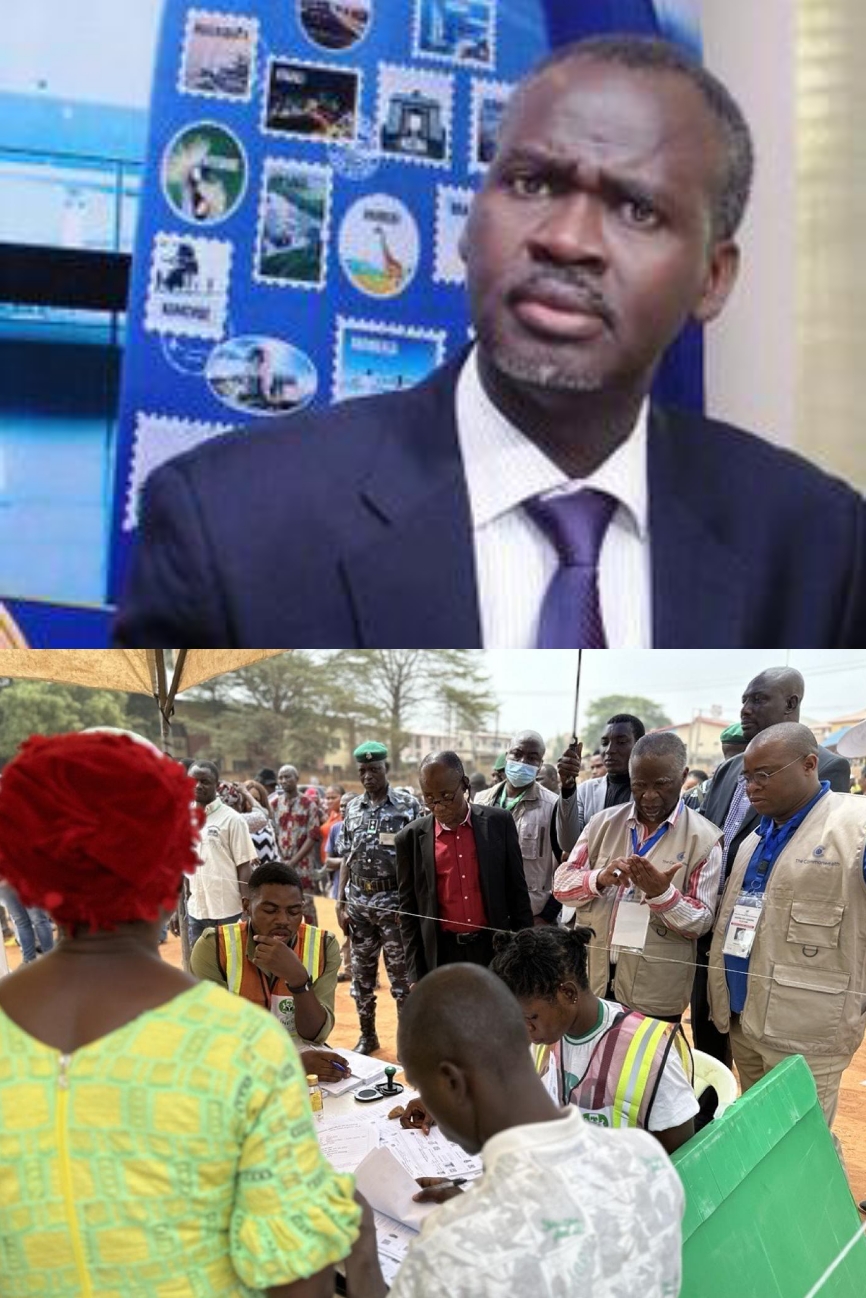
2023 Elections: Outgoing Rwandan High Commissioner say s Nigeria, ‘ handle their destiny’ in a peaceful way.
-
 Entertainment3 years ago
Social media cloth Vendor Found Dead In Ibadan Hotel.
-
 News3 years ago
Ogun HoS Solicit Affordable Housing For Civil Servants
-
 Trending News3 years ago
FG begins 40% pay rise for workers.
-
 Entertainment3 years ago
9mobile Ambassadors Begin “Meet And Greet” Session With Staffs, Customers.
-
Sports3 years ago
CAF SALUTES RIVERS UNITED AFTER SEALING QUARTER-FINAL TICKET.
-
 Business3 years ago
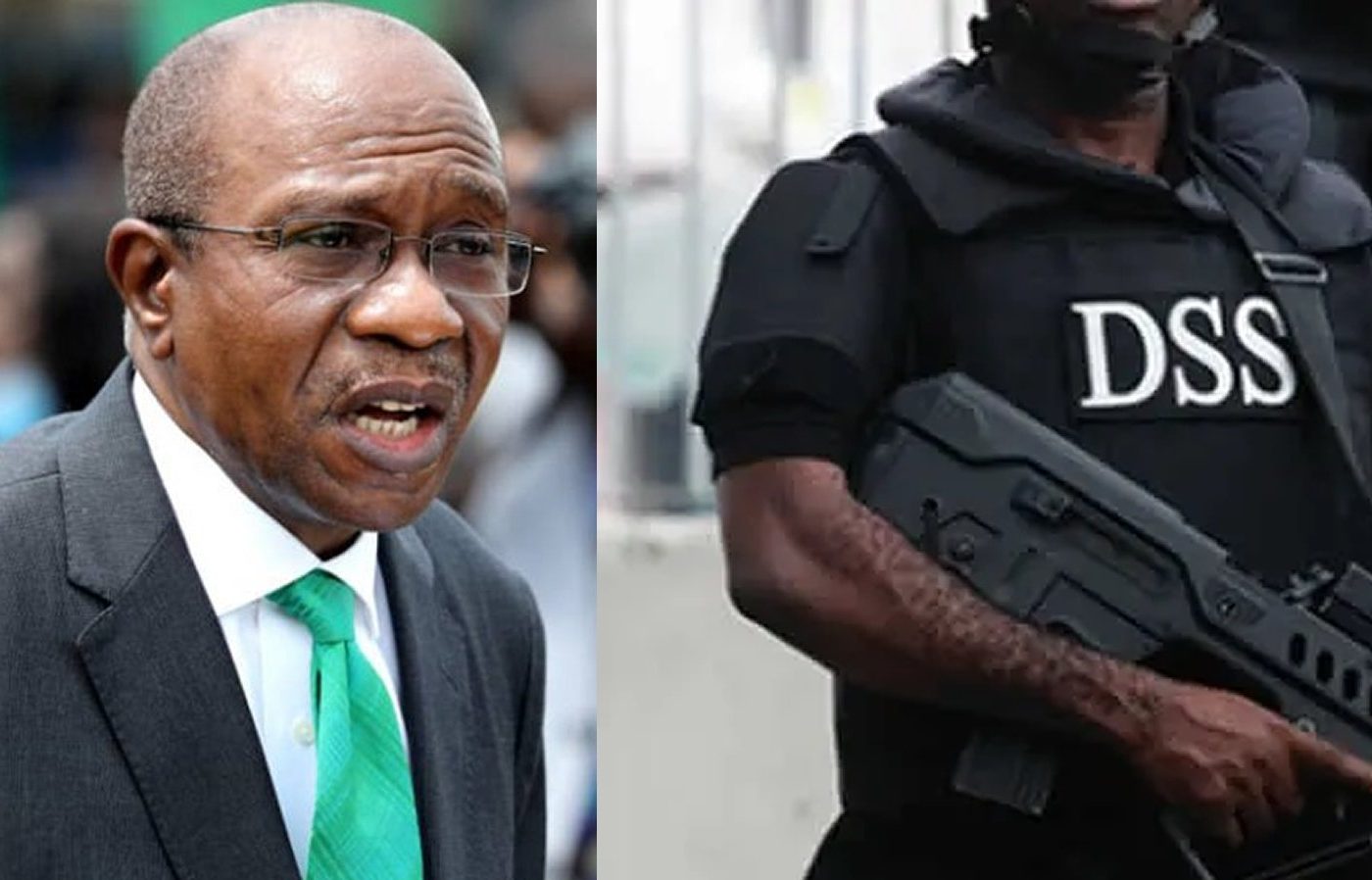
JUST IN: DSS Arrests Godwin Emefiele