
International News
US, Iran in counter threats over Strait of Hormuz

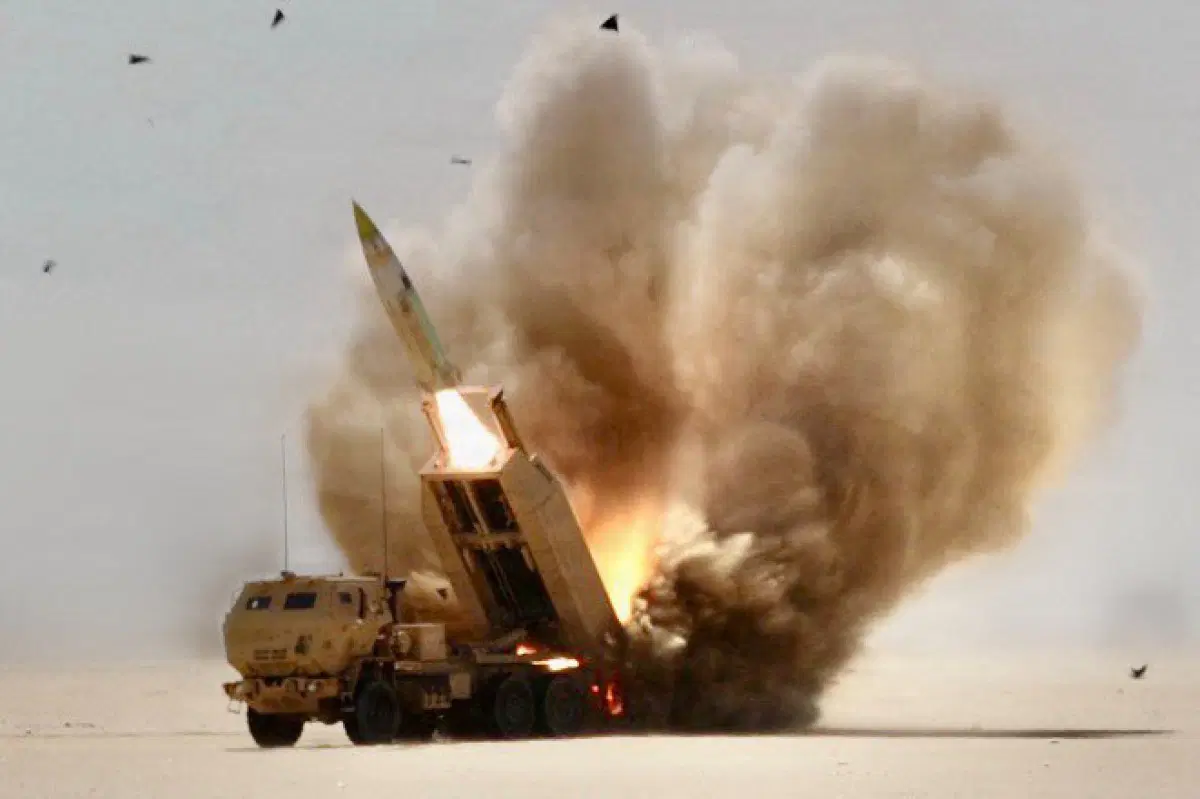
As the stand-off over the Strait of Hormuz continued, following its effective blockade by Iran, the US and the gulf state are trading threats of further destruction of energy and oil infrastructure across the Middle East with US President, Donald Trump, saying Tehran would face possible obliteration of its energy facilities if it failed to reopen the channel within 48 hours.
In a swift response, Iran threatened to irreversibly destroy US-linked energy sites across the Middle East if its power plants were targeted.
The 48 hours deadline expires today.
Trump’s ultimatum came hours after two Iranian missiles struck southern Israeli towns of Arad and Dimona, injuring more than 160 people in the most destructive attack since the war began.
This, the Israeli Prime Minister, Benjamin Netanyahu, vowed to retaliate “on all fronts”.
Iran had blocked the vital waterway, which carries a fifth of global crude oil trade in peacetime, as its key leverage in the war.
The standoff has sent crude oil prices soaring, with North Sea Brent crude now trading above $105 a barrel, as long-term consequences for the global economy become an acute concern.
The ultimatum, made just a day after the US president said he was considering winding down military operations after three weeks of war, came as the key oil passage remained effectively closed and thousands more US Marines headed to the Middle East.
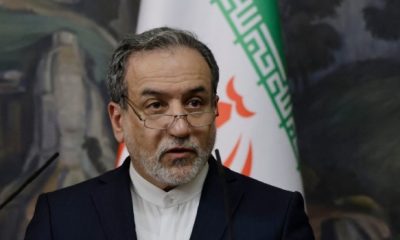
Iran’s foreign minister, Abbas Araghchi, said Tehran had imposed restrictions only on vessels from countries involved in attacks against Iran, and would assist others that stayed out of the conflict.
Meanwhile, issuing the threat via his Truth Social, Trump said that the US would “hit and obliterate various Iran power plants starting with the biggest one first if Tehran did not fully reopen the strait within 48 hours.”
Reinforcing Trump’s threat, US Treasury Secretary, Scott Bessent, said the US may need to “escalate” its attacks against Iran to be able to wind down the war.
Asked on NBC’s “Meet the Press” if Trump was winding down or escalating the war, Bessent said: “They’re not mutually exclusive. Sometimes you have to escalate to de-escalate.”
“This is the only language the Iranians understand,” he argued.
Iran threatens US-linked Gulf energy sites after
In response to Trump’s threat, Iran’s army said it would target energy and desalination infrastructure belonging to the US and the regime in the region, according to the Fars news agency.
In a post on X, speaker of the Iranian parliament, Mohammad-Bagher Ghalibaf,
said that vital infrastructure, energy and oil facilities throughout the region will be considered “legitimate targets” and would be destroyed in an irreversible manner.
“Immediately after the power plants and infrastructure in our country are targeted, the critical infrastructure, energy infrastructure, and oil facilities throughout the region will be considered legitimate targets and will be destroyed in an irreversible manner, and the price of oil will remain high for a long time,” Ghalibaf said.
Similarly, Iran’s Islamic Revolutionary Guard Corps (IRGC) intelligence unit in a post on X published by the IRGC affiliated Fars News Agency, said that it is thinking “beyond just the region”.
The post explained that this referred to a “red target bank” of technological and political targets in response to threats against power plants, suggesting that action could be taken “in less than 48 hours”.
The post also lists several achievements the IRGC claimed to have made during the war, including what it described as the “consolidation of power in the Strait,” and “control of global energy.”
To completely shut down the strait
Besides the threats of targeting energy infrastructure across the region, Iran’s military also threatened to completely shut down the strategic Strait of Hormuz if Trump acts on threats to target the country’s power plants.
“If the United States’ threats regarding Iran’s power plants are carried out… the Strait of Hormuz will be completely closed, and it will not be reopened until our destroyed power plants are rebuilt,” the military’s operational command, Khatam Al-Anbiya, said in a statement carried by state TV.
The military said it would also strike Israel’s “power plants, energy, and information and communications technology (ICT) infrastructure”, along with power plants in regional countries hosting US bases and companies with US shareholders.
It added that the measures will be taken “to defend our country and the interests of our nation”.
Iran charges $2m from ships passing through Strait of Hormuz – Iranian MP
BBC quoted Iranian Member of Parliament, Alaeddin Boroujrrdi, as saying on state TV that some of the ships that pass through the Strait of Hormuz were being charged “ a $2 (£1.5) million fee” by Iran.
He said that a “new governing regime” was being imposed in the Strait claiming that “war has costs”. According to him, the closure of the Strait shows the “authority and right that the Islamic Republic of Iran possesses”.
Iran’s deadly strikes on southern Israel injures 160
Meanwhile, retaliating against Israel’s strike on its Natanz nuclear facility, Iran struck southern Israel towns of Arad and Dimona, injuring more than 160 people in the most destructive attack since the war began. The Israel prime minister, Benjamin Netanyahu, vowed to retaliate “on all fronts”
The strikes, which slipped through Israel’s missile defence systems, tore open the facades of residential buildings and carved craters into the ground.
First responders said 84 people were injured in the town of Arad, 10 of them seriously. Hours earlier, 33 were wounded in nearby Dimona, where AFPTV footage showed a large hole gouged into the ground next to piles of rubble and twisted metal.
Dimona hosts a facility widely believed to be the site of the Middle East’s only nuclear arsenal, although Israel has never admitted to possessing nuclear weapons.
The Israeli army told Agence France-Presse there had been a direct missile hit on a building in Dimona, with casualties reported at multiple sites, including a 10-year-old boy in serious condition with shrapnel wounds.
Iran said the targeting of Dimona was retaliation for Israeli strikes on its Natanz nuclear facility, with the IRGC saying forces also targeted other southern Israeli towns as well as military sites in Kuwait and the UAE.
The Natanz facility hosts underground centrifuges used to enrich uranium for Iran’s disputed nuclear programme; it sustained damage in the June 2025 war.
The Israeli military denied it was behind the Natanz strike, but said it had struck a facility at a Tehran university that it claimed was being used to develop nuclear weapon components for Iran’s ballistic missile programme.
Attacks on nuclear sites create escalating threat to public health, WHO chief warns
The Iran war has reached a “perilous stage” as both sides target nuclear facilities, the Director-General of the World Health Organisation, Tedros Adhanom Ghebreyesus, has warned.
Ghebreyesus said the International Atomic Energy Agency was looking into both attacks.
“No indications of abnormal or increased off-site radiation levels have been reported,” he said in a post on X.
But he added: “Attacks targeting nuclear sites create an escalating threat to public health and environmental safety.
“Since the outbreak of hostilities, WHO has provided critical training to its own staff and UN personnel across 13 countries to help them respond effectively to public health threats in the event of a nuclear incident.
“I urgently call on all parties to exercise maximum military restraint and avoid any actions that could trigger nuclear incidents.
“Peace is the best medicine.”


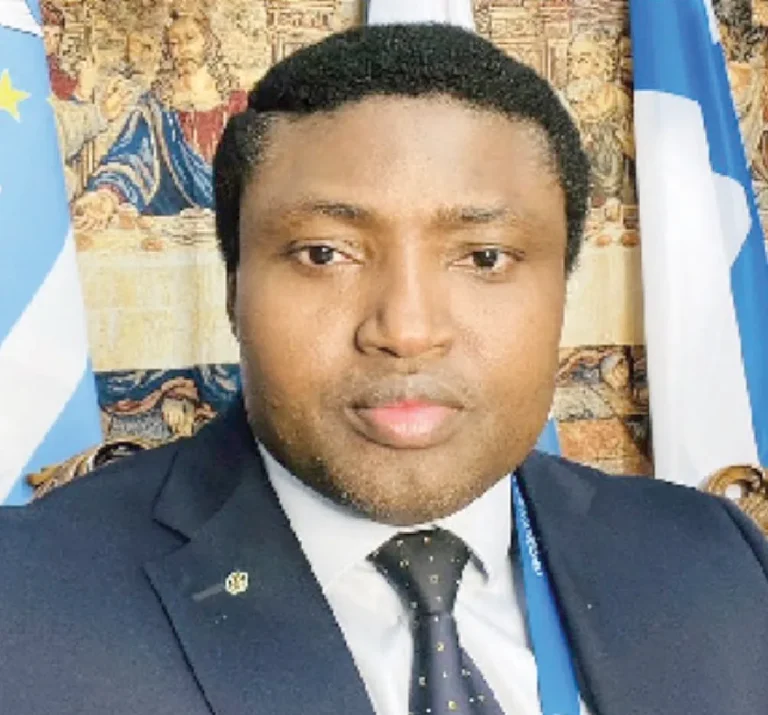
A Finnish appeal court has reduced the prison sentence of Biafran separatist leader, Simon Ekpa, from six to four years.
Finnish newspaper Yle disclosed this in a report on Thursday.
However, the Court of Appeal upheld the decision of the Päijät-Häme District Court, which found Ekpa guilty of terrorism-related charges last year.
The charges were related to Ekpa’s alleged activities aimed at re-establishing an independent state of Biafra in southeastern Nigeria.
Ekpa subsequently appealed the ruling, seeking to have his conviction and sentence overturned.
In a ruling that offered some relief to Ekpa, the Court of Appeal found him guilty of the same offences but reduced his prison term after considering the circumstances surrounding his actions. The court noted that the situation in the Biafran region closely resembled, but did not meet the definition of, a civil war.
Ekpa had told the court that his involvement was not motivated by terrorist intent, citing the political turmoil in the Biafran region.
The prosecutor in the case had also appealed the district court’s decision, arguing that the prison sentence did not reflect the seriousness of Ekpa’s offences.
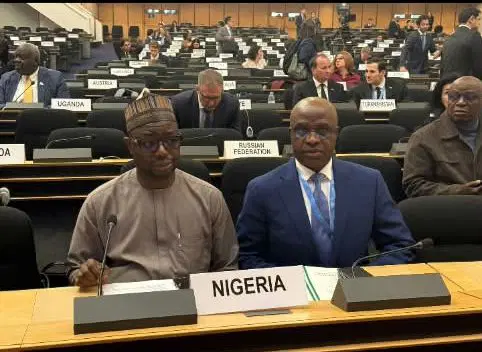
The Federal Government has called for stronger international responsibility sharing and innovative arrangement to address the growing humanitarian needs of over 142,000 refugees and asylum seekers from 42 countries.
The Minister of Humanitarian Affairs and Poverty Reduction, Dr. Bernard Doro, made the call while delivering Nigeria’s national statement at the 77th Session of the Executive Committee of the United Nations High Commissioner for Refugees (UNHCR), currently holding at the Palais des Nations in Geneva.
In a statement by his Senior Technical Adviser on Information Systems and Data Analysis, Dr. Abimbola Fasanu, the Minister disclosed that as of September 2026, Nigeria had received over 24,000 returnees and was managing a population of more than 6.7 million internally displaced persons (IDPs).
Doro reaffirmed Nigeria’s commitment to international refugee protection obligations, noting that the country continues to maintain an asylum system under the National Commission for Refugees, Migrants and Internally Displaced Persons (NCFRMI) Act of 2022.
He stated that no case of refoulement had been recorded in Nigeria in 2026, reaffirming the country’s commitment to protecting people fleeing persecution from being returned to situations where their lives or freedom could be threatened.
Highlighting progress on durable solutions, the Minister disclosed that over 7,000 Nigerian refugees had voluntarily returned from neighbouring countries this year under Tripartite Agreements, while another 14,000 in Cameroon had registered their intention to return. An agreement covering the return of 2,000 Nigerians from Niger is also being finalised.
He acknowledged the continued hospitality of Cameroon, Chad and Niger in providing refuge to displaced Nigerians.
According to the Minister, improved security conditions in parts of the country are creating opportunities for voluntary return, while Resettlement Cities established in seven locations are supporting the phased closure of displacement camps in conditions of safety and dignity.
Beyond return and resettlement, Dr. Doro outlined measures aimed at promoting self-reliance and reducing prolonged dependence on humanitarian assistance.
He explained that refugees in five states are benefiting from access to land, agricultural inputs and skills training, while the newly established Public-Private Partnership Department of the NCFRMI is supporting efforts to expand livelihood opportunities.
The Minister also cited the successful local integration of former Liberian and Sierra Leonean refugees, some of whom have established businesses and become economically active members of their host communities.
On access to essential services, he disclosed that displaced persons and host communities are being enrolled in Nigeria’s national identity system to facilitate access to banking, education and social services.
He added that refugees are being incorporated into state action plans and social registers, while ten mobile documentation buses are expected to extend identity services to underserved and remote communities.
Doro further highlighted the development of a Digital Gateway in collaboration with UNHCR to provide refugees with secure online access to information.
Addressing the growing pressure on humanitarian financing, the Minister urged the international community to strengthen support for refugee-hosting countries through expanded resettlement opportunities, complementary pathways and greater responsibility-sharing.
He specifically called on UNHCR to explore partnerships with regional and subregional financial institutions, including the African Development Bank and the ECOWAS Bank for Investment and Development, as a means of mobilising additional resources for refugee protection and durable solutions.
The Minister emphasised that the responsibility for addressing displacement could not rest on host countries alone, particularly at a time of increasing humanitarian needs and declining international resources.
The United States has listed Nigeria among 14 countries identified for recruiting or using child soldiers, warning that the designation could trigger restrictions on certain forms of military assistance.
The listing is contained in the 2026 Trafficking in Persons (TIP) Report, which covers the period from April 1, 2025, to March 31, 2026.
According to the report, restrictions under the Child Soldiers Prevention Act (CSPA) could affect international military education and training, foreign military financing, excess defence articles, peacekeeping operations and licences for direct commercial sales of military equipment, unless a presidential waiver is granted.
Nigeria was listed alongside Afghanistan, Burma, the Central African Republic, the Democratic Republic of the Congo, Ethiopia, Iran, Russia, Rwanda, Somalia, South Sudan, Sudan, Venezuela and Yemen.
The report also retained Nigeria on Tier 2 for human trafficking, a category for countries whose governments do not fully meet the minimum standards for eliminating trafficking but are making significant efforts to comply.
However, the US raised concerns about corruption and alleged official complicity in human trafficking crimes.
“The government did not report any investigations, prosecutions, or convictions of government employees allegedly complicit in trafficking crimes or provide details or other actions taken against complicit officials from previous years,” the report stated.
The report also faulted Nigeria’s efforts to protect trafficking victims, stating that 675 victims received assistance in 2025, compared with 2,058 in the previous year.
It said support services, particularly for male victims, remained limited, with only one dedicated non-governmental organisation shelter for adult male victims operating during the reporting period.
The report further stated that shelters operated by the National Agency for the Prohibition of Trafficking in Persons (NAPTIP) restricted residents’ freedom of movement, while access to certain protection services depended on victims cooperating with law enforcement proceedings.
Despite these concerns, the report acknowledged increased government efforts in investigating, prosecuting and securing convictions in human trafficking cases compared with the previous reporting period.
-
 Health & Wellness1 year ago
President Tinubu Directs Cut in Dialysis Cost from ₦50,000 to ₦12,000
-
News2 years ago
CBN Debunks Fake Circular on New ₦5,000 and ₦10,000 Notes
-
 Business7 months ago
Dangote Refinery Reduces Petrol Gantry Price To ₦1,200 Per Litre
-

 International News7 months ago
Indian Police Arrest Nigerian Over ₦290m Drug Haul
-
 Business7 months ago
After Plea Bargain, Court Discharges Stella Oduah of ₦2.5bn Fraud
-
Business2 years ago
Dangote; We Did Not Fix ₦600/Litre Petrol Price
-
 Trending News1 year ago
NELFUND Disburses ₦86bn To 449,000 Beneficiaries
-
 Opinion2 years ago
Championing the People’s Voice: Obasa’s Dedication to Grassroots Representation By Dave Agboola⁰