
News
Reps to Investigate Allegations of ‘Inferior Fuel’ by Dangote, Demand New Testing

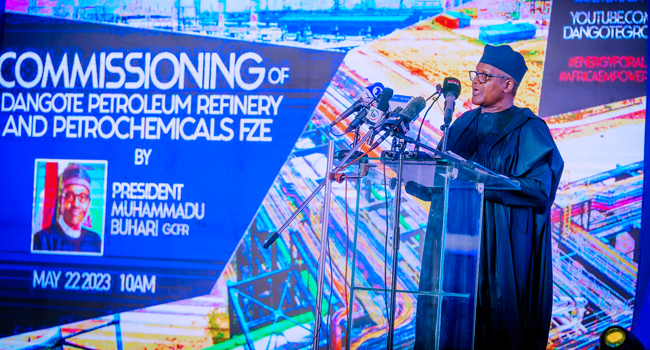
The House of Representatives has expressed readiness to investigate allegations that products being produced at the Dangote Refinery are inferior to imported ones, and will also test the refinery’s products as part of its investigation.
This was revealed by Speaker of the House of Representatives, Rt Hon. Tajudeen Abbas, during a visit to the Dangote Refinery on Saturday.
A statement later sent in by the Dangote Group’s media team on Sunday, said the speaker had expressed concern over the controversy surrounding the quality of imported refined products into Nigeria, and stated that the Green Chamber would establish a committee to investigate the matter thoroughly.
He emphasised that sampled products from various sources would undergo testing as part of this initiative.
The Speaker also expressed admiration for the infrastructure at the Dangote Oil Refinery, describing it as a significant asset in Nigeria’s quest for self-sufficiency in petroleum products. He noted that the refinery has positioned itself as a pivotal player, especially at a time when global concerns over energy security and sustainability are paramount.
“Today’s visit to the magnificent facilities of Dangote Industries Oil Refinery section has been nothing short of enlightening. It has afforded us a rare opportunity to witness first-hand the monumental strides that your organisation has made in transforming the landscape of petroleum production in Nigeria. The sheer scale and sophistication of this facility are awe-inspiring; it stands as a beacon of hope for our country as we navigate through the turbulent waters of energy supply challenges,” he said.
Commending the state-of-the-art technology implemented at the petroleum refinery, Abbas praised it as revolutionary and a shining example of engineering and innovation excellence.
“Each corner of this facility resonates with the echoes of hard work, dedication, and an unyielding pursuit of quality. It is evident that every drop produced here carries not just oil but also the hopes and dreams of millions who yearn for a brighter future. We are deeply impressed by what we have seen during this visit which confirms the rating of this industry as the single largest oil refinery in Africa. This remarkable achievement does not merely reflect corporate success; it symbolises national pride, a tribute to what can be accompanied when visionary leadership meets relentless determination,” he said.
Acknowledging the numerous challenges likely encountered during the construction of the refinery, the Speaker lauded Dangote for his steadfast commitment to achieving excellence.
“I would like to take this opportunity to acknowledge the myriad challenges that have beset this remarkable facility. The regulatory hurdles that often loom like dark clouds over progress, the complexities surrounding crude oil supplies that can stifle even the most ambitious endeavours, and the daunting economic landscape we navigate especially in these times when our economy grapples with foreign exchange constraints are all formidable adversaries. Yet, despite these tribulations, your unwavering commitment to excellence shines through,” he attested.
While Speaking earlier, President of Dangote Group, Aliko Dangote, asserted that products refined at the Dangote Petroleum Refinery & Petrochemicals, are of superior quality compared to imported equivalents and meet international standards. He expressed his confidence, after the House leadership insisted on testing other diesel products, alongside Dangote’s diesel at its state-of-the-art laboratory.
During the tour, Dangote said diesel samples were procured from two well-known filling stations near Eleko junction along the Lekki Epe Expressway, by the honourable members.
Chairman of the House Committee on Downstream, Hon. Ikeagwunon Ugochinyere, and Chairman of the House Committee on Midstream, Hon. Okojie Odianosen, oversaw the collection of samples from the Mild Hydro Cracking (MHC) unit of Dangote refinery for testing of all the samples.
Dangote said, “Lab tests revealed that Dangote’s diesel had a sulphur content of 87.6 ppm (parts per million), whereas the other two samples showed sulphur levels exceeding 1800 ppm and 2000 ppm respectively.
Dangote emphasised that these findings debunked claims made by Farouk Ahmed, CEO of the Nigerian Midstream and Downstream Petroleum Authority, who recently asserted that imported diesel surpasses domestically refined products.
Ahmed had alleged that Dangote refinery and other modular refineries like Waltersmith and Aradel produced diesel with sulphur content ranging from 650 to 1200 ppm—a statement criticised by many Nigerians as a tactic to favour imported products over local ones.

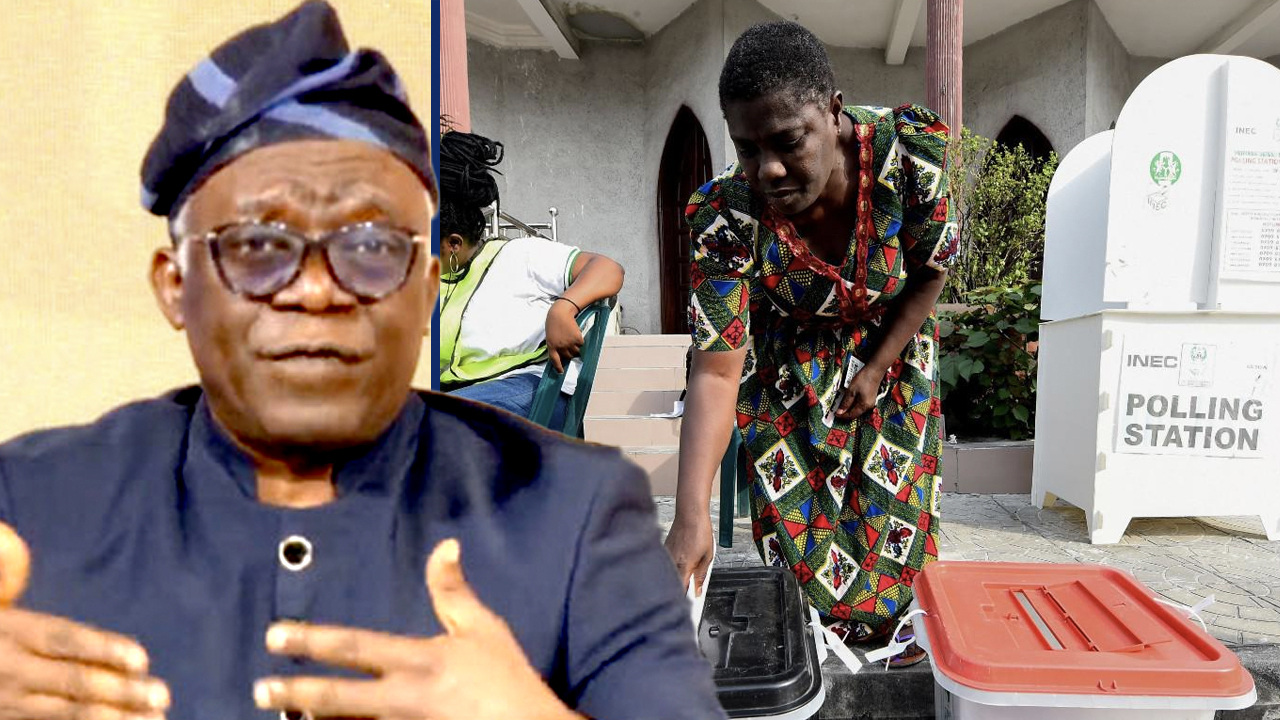

The Nigerian Bar Association has condemned the conduct of activist and former presidential candidate, Omoyele Sowore, during a court proceeding in Abuja.
The condemnation was contained in a statement issued on Wednesday by the NBA President, Mr Yakubu Maikyau.
Maikyau described Sowore’s behaviour at the Federal Capital Territory High Court as “inappropriate and disrespectful” to the sanctity of the court.
He noted that while every citizen has the right to express grievances, such actions must be carried out within the confines of the law and with due regard for judicial institutions.
According to him, “any conduct capable of disrupting court proceedings or undermining the dignity of the judiciary would not be condoned”.
The NBA President further urged legal practitioners and members of the public to uphold courtroom decorum at all times, stressing that respect for the rule of law remains critical to the country’s democracy.
The Column recalls that Sowore had earlier in the week, engaged an unidentified Senior Advocate Of Nigeria, in a heated argument,after the lawyer reprimanded Sowore for granting a press interview inside the court room.
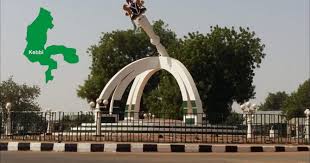
A communal clash between Hausa and Fulani residents in the Alwasa community of the Argungu Local Government Area of Kebbi State has left three people dead and several others displaced.
The violence began following a disagreement between Hausa and Fulani youths over reckless motorcycle riding, which escalated into a confrontation.
During the clash, a Fulani youth allegedly stabbed a Hausa youth, triggering further violence.
Speaking during a visit by the Kebbi State Governor, Nasir Idris, to assess the situation, the chairman of the Argungu Local Government, Sani Gulma, said the incident worsened after the suspect fled the scene.
“After the suspect ran away, some Hausa youths launched a reprisal attack on a Fulani settlement, leading to the death of two persons and the displacement of many,” he said.
“Most of those killed were innocent and not directly involved in the conflict, yet they paid the ultimate price,” he added.
Governor Idris, while condoling with the affected community, condemned the violence and warned against further reprisals.
“I have directed security agencies to track down the individual who initiated this crisis. I assure you that justice will be served,” the governor stated.
He emphasised the long-standing peaceful coexistence between the two communities.
“Alwasa has enjoyed over 100 years of peaceful coexistence between the Hausa and the Fulani. We will not allow a few individuals to disrupt this harmony,” he said.
Idris also announced a donation of two million naira each to the families of the deceased as support.
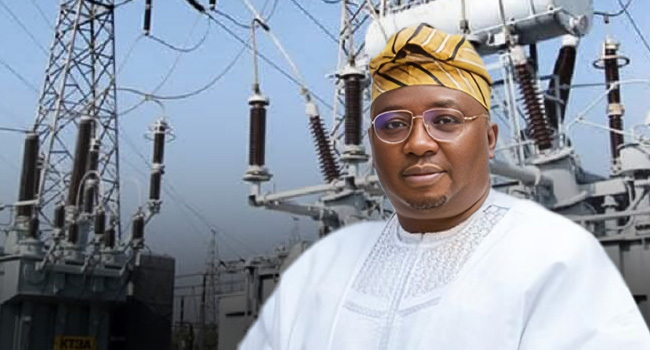
The Minister of Power has apologised to Nigerians over power outages but is promising improvements across the country in the coming days.
Nigeria’s Minister of Power, Adebayo Adelabu, made the promise on Tuesday during a press conference on his achievements in the last three years.
“I want to apologise to Nigerians, officially now, coming from me as the minister of power, for this temporary issue that is leading to hardship being experienced, especially during this dry season, where there is so much heat everywhere,” he said.
“Businesses are being affected, schools have been affected, and industries have been affected. It is not our wish to find ourselves in this situation, but it is due to some factors that are actually beyond our control.”
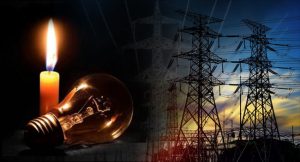
The minister attributed the current challenges to gas supply shortfalls to the generation companies due to the huge amounts of money owed to gas suppliers.
He hinted that the current war in the Middle East could further worsen the problems.
Nigerians have experienced power outages in recent weeks, leading to calls on authorities to address the issue.
The country’s power sector relies on gas-fired plants. But they have continued to face disruptions largely due to inadequate gas supply, pipeline maintenance issues, ageing infrastructure, and liquidity constraints.
“These issues collectively impact both the quantity and quality of gas delivered to power plants, leading to underutilisation of installed generation capacity, increased outages, and inefficiencies in power production,” the minister said.
To address this challenge, the minister suggested “scaling up renewable energy solutions, particularly off-grid and mini-grid systems”.
“Renewable energy offers a cost-effective and sustainable pathway to expand access without overburdening the national grid,” he said.
He also called for the integration of additional renewable energy into the grid. The minister said this will help diversify energy sources and reduce overall generation costs, particularly by lowering dependence on gas-fired power.
“Integrating utility-scale solar, hydro, and other renewables will also enhance energy security and support climate objectives,” he said.
“This will require investments in grid monitoring and control systems and system planning to effectively manage intermittency while maintaining grid stability.
Away from the power sector, Adelabu, whom observers suggest is eyeing the Oyo governorship seat in the 2027 elections, did not confirm if he is contesting for the post.
President Bola Tinubu gave appointees at the federal level a March 31st deadline to resign if they have political ambitions.
But the minister says he still has some days until the deadline. He insisted that, either at the national or subnational level, he aims to serve.
-
 News3 years ago
Just In: President Tinubu returns to Nigeria
-
 News3 years ago
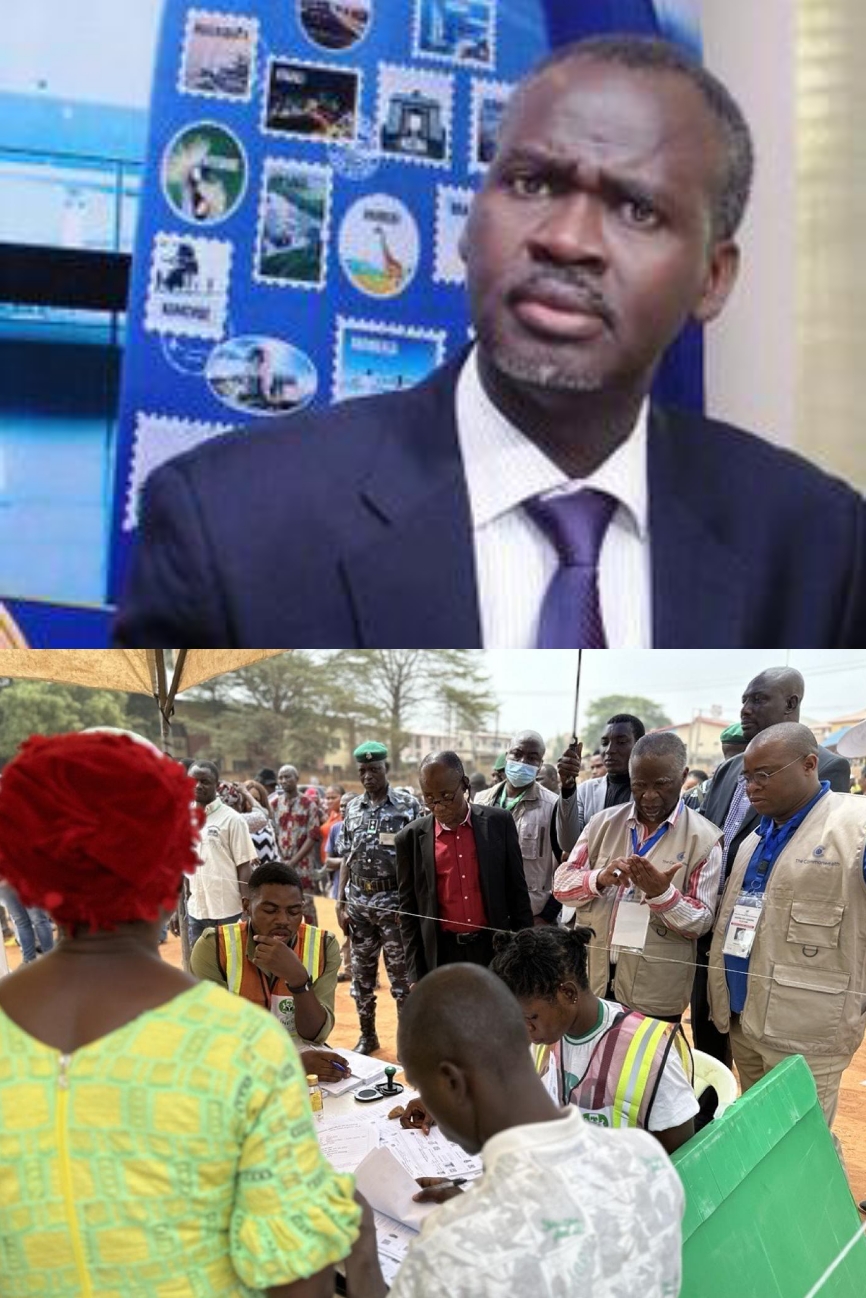
2023 Elections: Outgoing Rwandan High Commissioner say s Nigeria, ‘ handle their destiny’ in a peaceful way.
-
 Entertainment3 years ago
Social media cloth Vendor Found Dead In Ibadan Hotel.
-
 News3 years ago
Ogun HoS Solicit Affordable Housing For Civil Servants
-
Sports3 years ago
CAF SALUTES RIVERS UNITED AFTER SEALING QUARTER-FINAL TICKET.
-
 Trending News3 years ago
FG begins 40% pay rise for workers.
-
 Entertainment3 years ago
9mobile Ambassadors Begin “Meet And Greet” Session With Staffs, Customers.
-
 Business3 years ago
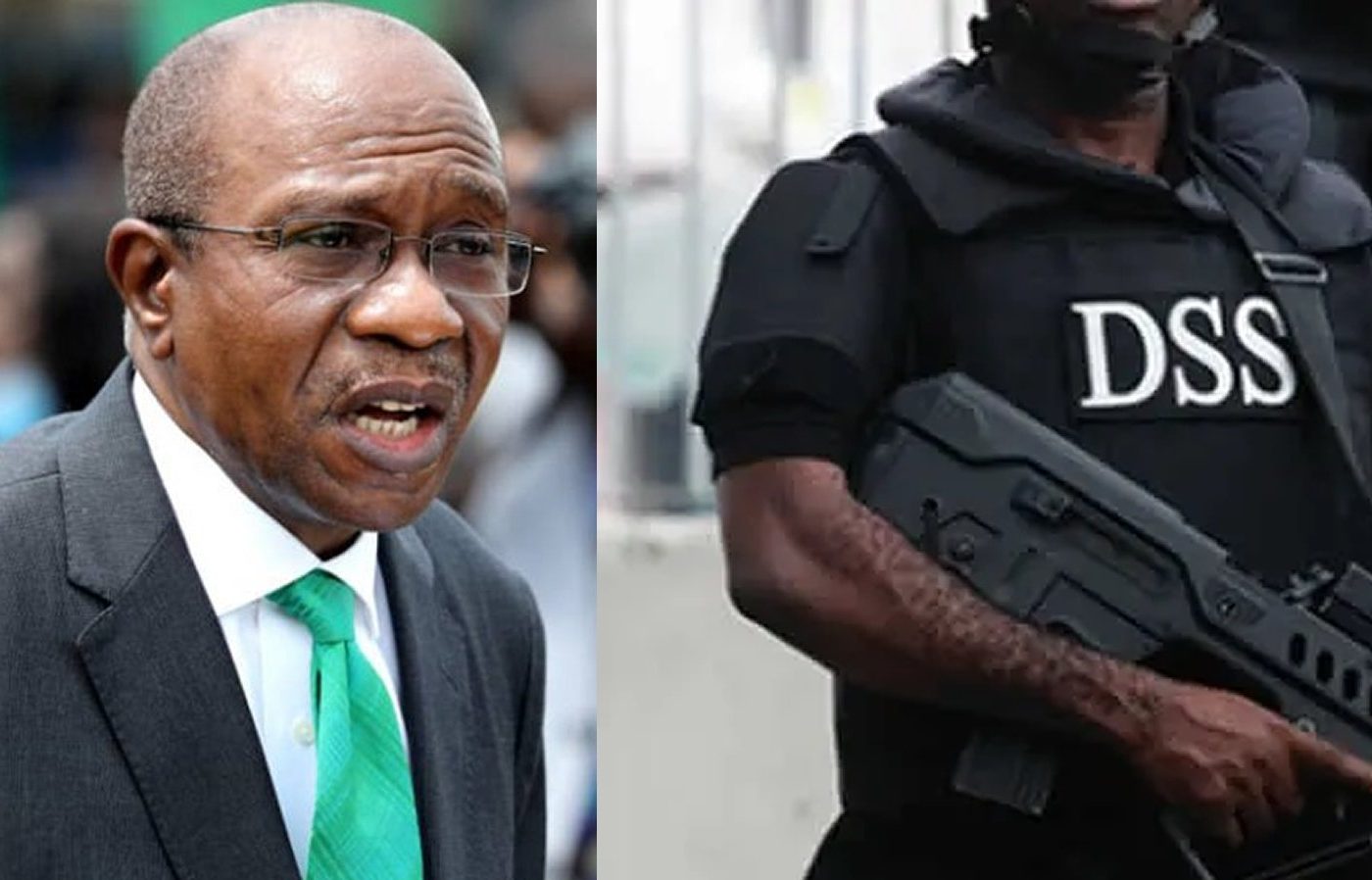
JUST IN: DSS Arrests Godwin Emefiele