
Business
Wema Bank Gets New Great Place To Work Certification

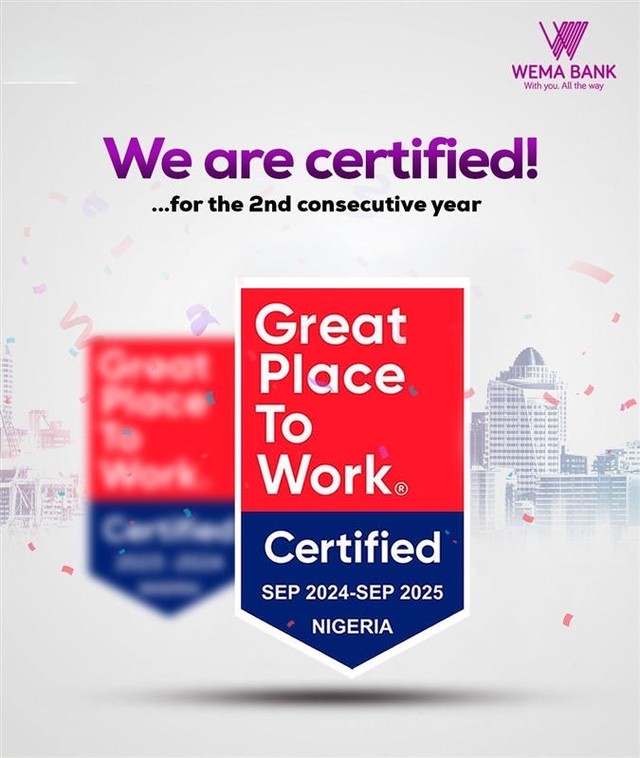
Wema Bank, Nigeria’s most innovative bank and pioneer of Africa’s first fully digital bank, ALAT, has been officially certified as a Great Place To Work for the year 2024-2025, marking the Bank’s second consecutive year receiving the Great Place To Work (GPTW) certification.
Great Place To Work is recognised worldwide as the global authority on workplace culture. With a comprehensive assessment of organisational culture, practices and employee feedback, the Great Place To Work certification serves as an unequivocal endorsement of an organisation’s positive work culture and commitment to employee well-being—as is the case with Wema Bank’s two-time Great Place To Work certification.
Wema Bank’s remarkable track record reflects an unwavering commitment to employee well-being and positive work culture. The Bank currently offers one of the longest standard leave days in the industry, provides employees with a Cost-Of-Living Adjustment (COLA) to cushion the impact of economic fluctuations, provides employees with a standard crèche for their infants and a fully equipped gym for fitness enthusiasts, and within the year, also increased salaries for Non Full-Time Equivalent (NFTE) employees. From work-life balance to prioritising mental health for employees, promoting physiological wellness and enhancing professional expertise towards career success, upward reviews of allowances and a host of other unique benefits Wema Bank continues to curate for its employees; the Bank is evidently deserving of its successive Great Place To Work certifications.
Moruf Oseni, the MD/CEO of Wema Bank, attributed the two-time certification to the Bank’s deep-rooted commitment to employee wellbeing. “At Wema Bank, we understand that our exceptional output as a Bank is a result of the dedicated input of our employees, the Wema Bank Knights, and we acknowledge the indispensable role they continue to play in our growth and success as a Bank. This is why we continue to pull all the stops in providing an enriching, productive, supportive and fulfilling work experience for our employees. This is a commitment that we will never compromise on”.
“We are honoured by the recognition accorded to us by Great Place To Work. This certification not only attests to our dedication to fostering a culture of excellence and empowering our employees with the best quality of work experience towards their personal and professional success, but also drives us to keep up the good work and exceed even more goals and expectations in enhancing employee experience. We take this as a challenge to go above and beyond in providing a fulfilling work experience for every Wema Bank employee and we trust that the strength of our internal framework will continue to reflect positively externally as we fulfil our lifelong goal of providing optimum value for every stakeholder of Wema Bank”, Oseni concluded.
Wema Bank earned its first Great Place To Work certificate in 2023, additionally bagging four awards at the Great Place To Work Awards 2023, which are: 2nd Best Place to Work in Nigeria (Large Corporate Organisation Category), Best in Promoting the Culture of Innovation by All, Best in Promoting Learning and Development Practices and The Victor Ligbago Award for Best Workplace for Millennials.







The Lagos International Trade Fair Complex Management Board (LITFCMB) has condemned the use of its facility for the production of counterfeit products and other illegal activities, pledging to work with regulatory and law enforcement agencies to rid the complex of such practice
The board also commended the National Agency for Food and Drug Administration and Control (NAFDAC) for its recent enforcement operation, which led to the arrest of two persons allegedly linked to the illegal revalidation of expired drinks and the production of counterfeit consumables within the complex.
In a statement issued on Wednesday, the Executive Director and Chief Executive Officer of LITFCMB, Veronica Safiya Ndanusa, said the activities were contrary to the board’s commitment to promoting legitimate trade and ethical business practices.
She disclosed that relevant authorities had commenced investigations to establish the facts surrounding the incident and identify measures to prevent a recurrence.
Ndanusa warned that individuals and businesses found culpable of engaging in activities that endanger public health or undermine the integrity of local manufacturing would face the full weight of the law.
“As a body rooted in the principles of ethical business practices, transparency and genuine trade, we strongly condemn any activity that threatens public safety or brings the reputation of the Lagos International Trade Fair Complex Management Board into disrepute,” she said.
“Our facility exists to provide a conducive environment for legitimate businesses to thrive, not to serve as a breeding ground for the production or distribution of counterfeit and substandard products.”
The board chief assured members of the public that the management would collaborate with relevant regulatory and law enforcement agencies to ensure that the complex remained free of illegal activities.
She also urged traders and business operators within the facility to comply with established standards, stressing that the pursuit of profit must never come at the expense of consumers’ health and safety.
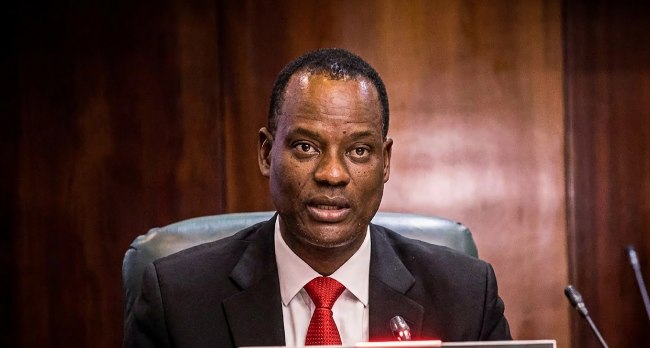
Minister of Finance and Coordinating Minister of the Economy, Taiwo Oyedele, has cautioned governments against introducing new taxes or increasing existing tax burdens on vulnerable citizens and productive sectors, warning that such measures could deepen economic hardship.
Oyedele spoke on the sidelines of the 2026 annual meetings of the International Monetary Fund (IMF) and World Bank in Bangkok, Thailand, where he presented a communiqué on behalf of the Intergovernmental Group of Twenty-Four (G24), which he chairs.
“This is the wrong time to impose new taxes or increase the burden of tax, particularly on the vulnerable population and productive sectors of the economy,” he said.
Responding to questions on how developing countries could reduce debt-servicing costs without cutting essential public spending,report quoted Oyedele as urging governments to identify waste, find savings and improve revenue collection before placing additional financial pressure on citizens and businesses.
He said borrowing remained necessary to finance economic growth but stressed that governments must ensure that debt supports job creation and inclusive development.
“Borrowing and debt financing is a necessary condition for growth, and every country emerging, developing must be able to apply debt financing in a way that is overall of positive impact, particularly to stimulate job-rich and inclusive growth,” he said.
The minister also called for available public funds to be prioritised for essential services, including healthcare and education, while private capital could help finance other areas of investment.
On the choice between taxation and borrowing, Oyedele said both options carried consequences and should be considered in the context of their impact on household welfare.
“If you collect taxes, you raise the money now, and that itself has a lot of trade-offs. What taxes are you collecting? You collect taxes from the most vulnerable, and this will deprive them of money to provide food, health, education,” he said.
He argued that excessive taxation could leave low-income households with less money for basic needs, while borrowing also carried future obligations.
“Debt is future taxes, so it’s not one or the other. It’s to strike a balance, bearing in mind ultimately that the essence of tax and of debts is to cater for the people,” Oyedele said.in the report.
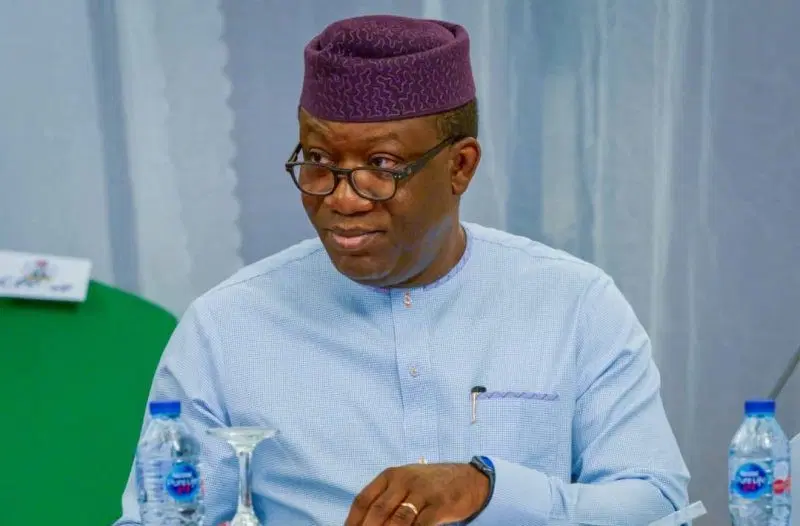
Former Governor of Ekiti State and ex-Minister of Mines and Steel Development, Dr Kayode Fayemi, has warned the United States against slipping into isolationism in its engagement with Africa, insisting that Nigeria remains a must-have strategic partner in the evolving global order.
Fayemi maintained this position in Lagos while speaking as a panelist at the Nigeria Moment, a Nigeria–United States Strategic Dialogue organised by the American Business Council in collaboration with the Heritage Foundation.
In his presentation, which focused on why Nigeria is a must-have partner in the changing world order, Fayemi,former chairman of the Nigeria Governors’ Forum (NGF) stressed the need for a more holistic relationship between both countries grounded in transparency, mutual benefit and shared prosperity.
He insisted that Nigeria must be treated as a strategic partner in the emerging world order.
“While welcoming the growing American interest in Nigeria’s vast mineral endowment, Fayemi warned that the partnership must go beyond resource extraction.
“Nigeria must be engaged as a strategic actor and a co-creator in shaping the future of global energy and resource governance, rather than as a testing ground for experiments. A partnership built on mutual respect, shared interests and long-term cooperation offers the strongest foundation for an enduring relationship between Nigeria and the United States,” Fayemi said.
Describing the engagement as a pleasure, Fayemi said the dialogue brought together a distinguished group of policymakers, business leaders and strategic thinkers to reflect on the future of Nigeria-US relations.
He commended the convener of the dialogue, Mr Ayo Otuyalo,for an excellent convening and for bringing together such high-level participants for the important strategic conversation.
The conference featured Governor Babajide Sanwo-Olu of Lagos State as keynote speaker, alongside senior representatives of the Federal Government, including the Minister of Industry, Trade and Investment, Dr Jumoke Oduwole; Minister of Power,
Also st the event were : Engr Joseph Tegbe; Minister of Solid Minerals Development, Mr Dele Alake, represented by Engr Simon Nkom; and the Head of the Nigerian Upstream Petroleum Regulatory Commission (NUPRC), Mrs Oritsemeyinwa Eyesan among others.
-
 Health & Wellness1 year ago
President Tinubu Directs Cut in Dialysis Cost from ₦50,000 to ₦12,000
-
News2 years ago
CBN Debunks Fake Circular on New ₦5,000 and ₦10,000 Notes
-
 Business7 months ago
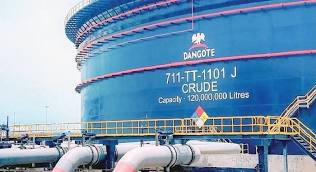
Dangote Refinery Reduces Petrol Gantry Price To ₦1,200 Per Litre
-

 International News7 months ago
Indian Police Arrest Nigerian Over ₦290m Drug Haul
-

 Business7 months ago
After Plea Bargain, Court Discharges Stella Oduah of ₦2.5bn Fraud
-
Business2 years ago
Dangote; We Did Not Fix ₦600/Litre Petrol Price
-
 Trending News1 year ago
NELFUND Disburses ₦86bn To 449,000 Beneficiaries
-
 Opinion2 years ago
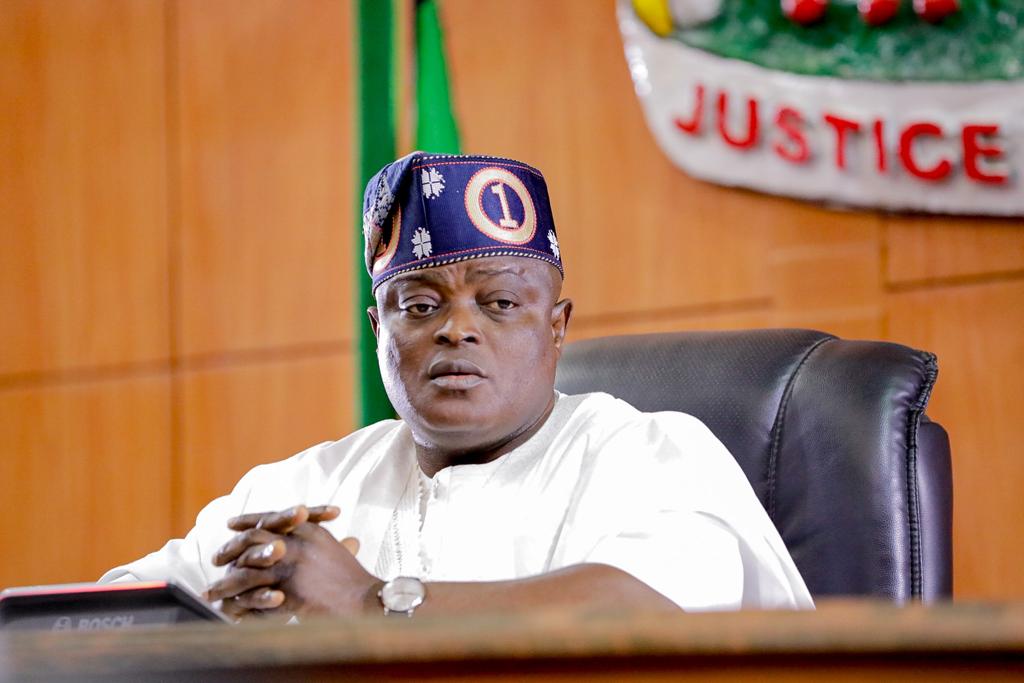
Championing the People’s Voice: Obasa’s Dedication to Grassroots Representation By Dave Agboola⁰