
International News
US Surgeons Perform World’s First Whole Eye Transplant

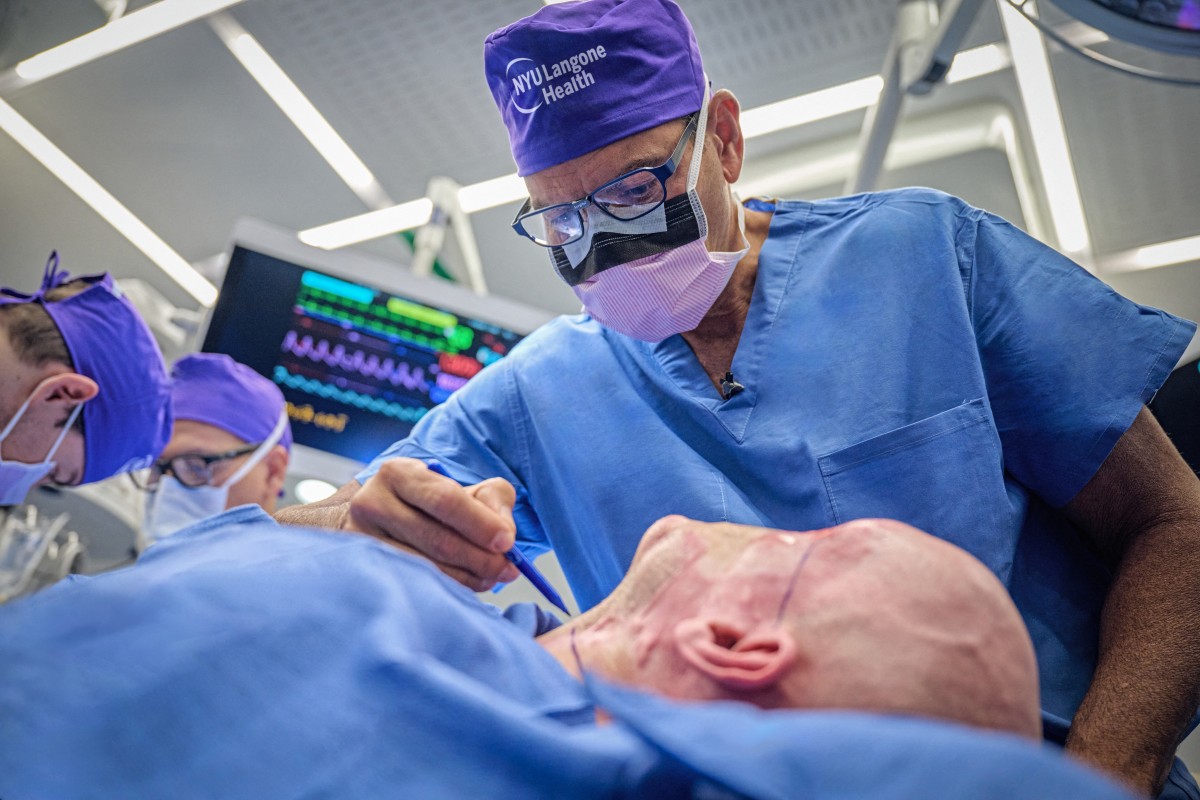

A team of surgeons in New York announced Thursday they had performed the world’s first transplant of an entire eye in a procedure widely hailed as a medical breakthrough, although it isn’t yet known whether the recipient will actually regain his sight.
The groundbreaking surgery involved removing part of the face and the whole left eye of a donor and grafting them onto a line worker from Arkansas who survived a 7,200-volt electric shock in June 2021, when his face touched a live wire.
Aaron James, 46, suffered extensive injuries including the loss of his left eye, his dominant left arm above the elbow, his nose and lips, front teeth, left cheek area and chin.
He was referred to NYU Langone Health, a leading medical center for facial transplants, which carried out the procedure on May 27.
Transplanting an entire eye has long been a holy grail of medical science, and though researchers have had some success in mice — where they have restored partial vision — it’s never before been performed in a living person.
“We always talk about a second chance at life — he’s been given a second chance,” said Eduardo Rodriguez, who led the 21-hour-surgery that made use of 3D cutting guides, which allowed surgeons to remove segments of bone from the donor and place them precisely in James.
“We couldn’t have asked for a more perfect patient,” he added, praising James for undergoing the extremely risky surgery so that others in his situation could benefit in the future.
The transplanted left eye appears very healthy, said retinal opthamologist Vaidehi Dedania. It has a good blood supply, is maintaining its pressure, and is generating an electrical signal, though James is not yet able to see. “But we have a lot of hope,” she added.
– ‘Huge deal’ –
“This is a huge deal,” Kia Washington, a professor of surgery at University of Colorado Anschutz Medical Campus, who has been working in the same field for 15 years, told AFP, commending her peers.
Daniel Pelaez of the University of Miami’s Bascom Palmer Eye Institute, who has also been working towards the same goal, told AFP: “The transplantation of a human eye at NYU Langone represents a pivotal moment in our common quest to restore sight and offers hope to countless individuals around the world.”
James, whose right eye remains intact, was considered an ideal candidate because his need for a facial transplant meant he would require immunosuppressive drugs regardless, making the risk-benefit calculation favorable — even if it conferred only cosmetic value.
Appearing at a press conference, James expressed his profound gratitude to both the donor’s family and his medical team. “It’s been a test of willpower, strength, family, friends, and I think we beat it,” he said.
James returned to his native Arkansas in September to be with his wife and daughter but returns to New York for monthly follow-up appointments.
– Optic nerve regeneration –
Given the time that has passed since the surgery, Washington said she did not think it likely that James’s eye would regain vision, but “I never say something is impossible,” she added.
The NYU Langone team said they had used bone marrow-derived adult stem cells to promote nerve repair.
Achieving the goal of sight restoration could involve bringing other cutting-edge approaches to bear, said Washington — including gene therapy to tap the optic nerve’s intrinsic ability to heal; using a device called a nerve wrap to protect the tissue; or using devices that pick up signals and bypass the damaged pathway.
“We’re making great progress in the treatments to promote optic nerve regeneration that could accompany eye transplant,” Jeffrey Goldberg, who is leading similar efforts at the Byers Eye Institute at Stanford University, told AFP.
“These adjunctive therapies will allow the donor eye to significantly connect to the brain and restore meaningful visual function to blind patients everywhere.”
AFP
International News
Ghana Rejects MTN Financial Support For Victims Of Xenophobic Attacks In South Africa
Ghana Rejects MTN Financial Support For Victims Of Xenophobic Attacks In South Africa
The Government of Ghana has declined a GHS20 million donation offered by MTN Ghana to support Ghanaian victims of the recent xenophobic attacks in South Africa, saying it has already made adequate financial provision for the evacuation and reintegration of affected citizens.
The Ministry of Foreign Affairs, in a press statement issued in Accra on Wednesday said it had become aware of media reports indicating that MTN Ghana was preparing to donate GHS20 million to Ghanaian victims of the attacks.
According to the ministry, the reports appeared to attribute the announcement of the intended donation to an interview granted by the MTN Board Chairman, Dr. Ishmael Yamson.
While acknowledging the gesture, the government said it had decided not to accept the financial support.
“The Government of Ghana commends MTN for the offer, however, we respectfully decline,” the statement said.
The Ministry of Foreign Affairs said the John Mahama Administration had already made adequate provision for the ongoing evacuation and reintegration of Ghanaians affected by the attacks.
“The Ministry of Foreign Affairs reaffirms that the Mahama Administration has made adequate provision for ongoing evacuations and reintegration of Ghanaians and is therefore unable to accept this offer,” it said.
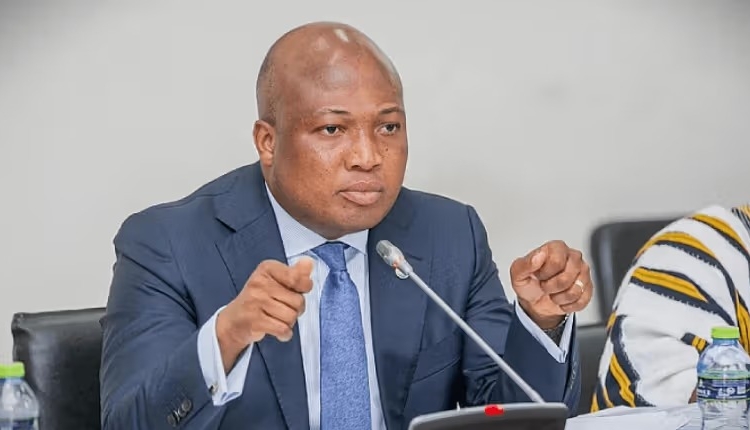
The ministry further disclosed that the government’s position had previously been communicated directly to MTN’s leadership during a meeting with the Minister of Foreign Affairs, Hon. Samuel Okudzeto Ablakwa (MP), on August 14, 2026.
“This position of the Government of Ghana had earlier been directly conveyed to the Board Chair and CEO of MTN when they called on the Minister of Foreign Affairs, Hon. Samuel Okudzeto Ablakwa (MP) on August 14, 2026,” the statement said.
The government, however, stressed that it remained committed to providing humanitarian assistance to Ghanaians being brought back from areas where they faced danger.
“Meanwhile, the Government of Ghana remains fully committed to current humanitarian evacuations and reintegration financial support for every Ghanaian brought back from harm’s way,” the ministry said.
It also pledged to disclose the total expenditure incurred on the evacuation exercise after its completion, describing the planned disclosure as part of its commitment to transparency and accountability.
“The Ministry of Foreign Affairs assures that it will present to the general public a comprehensive account of the total cost of evacuations as soon as the exercise is concluded, in the interest of transparency and accountability,” it added.
The government also sought to reassure international businesses operating in Ghana that it would continue to support their operations irrespective of their countries of origin.
“Government will continue to create the best business ecosystem for all international brands operating in Ghana to succeed, irrespective of which country their businesses originated from,” the ministry said.
It added: “The welfare of all Ghanaians remains our utmost priority.”
The government’s decision comes amid concerns over the safety and welfare of Ghanaians affected by the recent xenophobic attacks in South Africa, with authorities undertaking evacuations and reintegration efforts for citizens brought back from harm’s way.
The Ministry of Foreign Affairs said the government’s existing arrangements were sufficient to cover the humanitarian response, making it unnecessary to accept the proposed MTN donation.
Earlier in July, fresh diplomatic tensions emerged between Ghana and South Africa after the Ghanaian government reportedly declined to host South African President Cyril Ramaphosa for a planned state visit, citing concerns over the reported killing of a Ghanaian citizen and alleged xenophobic attacks against its nationals.
The decision follows the death of 40-year-old Bashiru Isak, whom Ghana says was killed during demonstrations associated with renewed attacks on foreign nationals in South Africa on June 30, 2026.
Officials in Accra said the postponement of the visit reflects Ghana’s growing concern over the security of its citizens residing in South Africa. They maintained that ensuring the safety of Ghanaians abroad must take precedence over high-level diplomatic engagements.
President Ramaphosa had been expected in Ghana during the first week of August for a state visit aimed at reinforcing the longstanding relationship between both countries. The visit was also expected to provide an opportunity for discussions on bilateral cooperation and concerns surrounding attacks on foreign nationals.

US President Donald Trump has ordered American flags across the country to be flown at half-staff for one week following the death of country music legend Dolly Parton.
Trump made the announcement on Tuesday, August 25, as tributes continued to pour in for Parton, who died in Nashville at the age of 80.
In a post on Truth Social, Trump wrote: “Very sad to report that Dolly Parton, one of the greatest country singers, and far beyond, ever, has just passed away. This is a true loss for millions of people. There has never been anyone like her, and never will. In her honor, I am lowering the American flag throughout the United States for a one week period beginning tonight at 6 p.m. Rest in peace, Dolly! The world loves you. President Donald J. Trump.”
Parton’s death was announced by her nephew and head of security, Bryan Seaver, in a video shared on social media.
The Tennessee-born singer had a career spanning seven decades and became one of the most influential figures in country music, while also establishing herself as a songwriter, actress, author, businesswoman and philanthropist.
Although Parton generally stayed away from political controversies, she had previously disclosed that she turned down the Presidential Medal of Freedom twice during Trump’s first administration.
Speaking to the Today show in 2021, Parton explained her decision, saying: “I couldn’t accept it because my husband was ill and then they asked me again about it and I wouldn’t travel because of the COVID,”
She added: “Now I feel like if I take it, I’ll be doing politics, so I’m not sure.”
Parton devoted much of her career to charitable causes, including childhood literacy through her Imagination Library programme, which has distributed millions of books to children.
She established the Dollywood Foundation in 1988 and later created the Dolly Parton Scholarship for students from her home area of Sevier County, Tennessee.
She also supported communities affected by disasters, including donating funds to victims of the devastating East Tennessee wildfires. In 2017, she donated $1 million to Monroe Carell Jr. Children’s Hospital at Vanderbilt University Medical Center.
Parton was recognised across the music industry for her extraordinary career. She was inducted into both the Country Music Hall of Fame and the Rock and Roll Hall of Fame and recorded 25 No. 1 songs on Billboard’s Hot Country Songs chart.
She also received 10 Grammy Awards from 55 nominations.
An official statement released following her death described the impact of her life and career.
“A rhinestone life that shone bright enough for the world to see, Dolly will forever stand as an inspiration not only through her timeless music and prolific songwriting, but also her wit, warmth, and kindness that made us all feel like family. Dolly Parton’s legacy is one of love, compassion, and resilience. With a seven-decade career, she inspired multiple generations of artists and fans with her music and an unwavering commitment to making the world a better place. Her songs will continue to resonate with people of all ages, and her philanthropic work will have a lasting impact.”

A United States District Court in Manhattan has nullified the Donald Trump administration’s policy suspending the processing and issuance of immigrant visas to applicants from 75 countries, including Nigeria.
In a ruling delivered on Friday, U.S District Judge, Jeannette Vargas, described the January directive by the State Department as patently unlawful and said it exceeded the statutory authority of Secretary of State, Marco Rubio.
The policy, which took effect on January 21, had barred immigrant visa issuance to nationals of 75 countries on the grounds that they posed “a high risk for becoming a public charge” and relying on U.S government cash assistance.
Affected countries are: Afghanistan, Albania, Algeria, Antigua and Barbuda, Armenia, Azerbaijan, Bahamas, Bangladesh, Barbados, Belarus, Belize, Bhutan, Bosnia-Herzegovina, Brazil, Cambodia, Cameroon, Cape Verde, Colombia, Cuba, Dominica, DR Congo, Egypt, Eritrea, Ethiopia, Fiji, Gambia, Georgia, Ghana, Grenada, Guatemala, Guinea, Haiti, Iran, Iraq, Ivory Coast, Jamaica, Jordan, Kazakhstan, Kosovo, Kuwait, Kyrgyzstan, Laos, Lebanon, Liberia, Libya, Moldova, Mongolia, Montenegro, Morocco, Myanmar, Nepal, Nicaragua, Nigeria, North Macedonia, Pakistan, Republic of Congo, Russia, Rwanda, Saint Kitts and Nevis, Saint Lucia, Senegal, Sierra Leone, Somalia, South Sudan, St. Vincent and the Grenadines, Sudan, Syria, Tanzania, Thailand, Togo, Tunisia, Uganda, Uruguay, Uzbekistan, Yemen.
President Donald Trump had early in the year, published a list of welfare dependent rates among immigrants, noting that about 33.3 per cent of Nigeria immigrants households received some form of public assistance.
According to the directive, older or overweight applicants can be denied, along with those who had any past use of government cash assistance or institutionalisation.
But delivering the judgement, Judge Vargas, an appointee of former President Joe Biden, held that the suspension ran afoul of federal immigration law, which expressly removed authority over consular processing of immigrant visas from the Secretary of State.
“The policy, which categorically prohibits the issuance of immigrant visas based upon the nationality of the applicant, represents a direct abrogation of this statutory scheme,” she wrote.
The suit was filed by immigrant rights groups, Catholic Legal Immigration Network and African Communities Together, alongside U.S citizens sponsoring family members and visa applicants from the affected countries.
The State Department had, in a cable sent to U.S missions in January directed consular officers to refuse applicants whose visas were “print-authorized” but not yet printed.
It said the suspension was part of a full review to ensure the highest level of screening and vetting and to prevent foreign nationals from exploiting U.S welfare systems.
“Applicants from these countries are at a high risk for becoming a public charge and recourse to local, state and federal government resources in the United States,” the cable stated.
Principal Deputy Spokesperson, Tommy Pigott, had defended the move, saying: “The State Department will use its long-standing authority to deem ineligible potential immigrants who would become a public charge on the United States and exploit the generousity of the American people.
“Immigration from these 75 countries will be paused while the State Department reassess immigration processing procedures to prevent the entry of foreign nationals who would take welfare and public benefits.”
President Trump has, since returning to office in January, pursued an aggressive immigration crackdown aimed at improving domestic security.
-
 Health & Wellness1 year ago
President Tinubu Directs Cut in Dialysis Cost from ₦50,000 to ₦12,000
-
 News1 year ago
PICTURE: In Lagos Couple Sentenced to 22½ Years for Cannabis Trafficking
-

 Business5 months ago
Dangote Refinery Reduces Petrol Gantry Price To ₦1,200 Per Litre
-
 Trending News1 year ago
NELFUND Disburses ₦86bn To 449,000 Beneficiaries
-
 Business2 years ago
Heritage Bank Customers’ Path to Securing ₦5m Insured Funds: A Step-By-Step Guide by NDIC”
-
Business2 years ago
Dangote; We Did Not Fix ₦600/Litre Petrol Price
-

 International News5 months ago
Indian Police Arrest Nigerian Over ₦290m Drug Haul
-
 Business5 months ago
After Plea Bargain, Court Discharges Stella Oduah of ₦2.5bn Fraud