
Health & Wellness
Health Workers Protest In FCT Against Regulatory Bill


Health workers under the Joint Health Sector Unions and the Assembly of Healthcare Professional Associations are protesting at the Unity Fountain in Abuja.
The protest is against the proposed health sector regulatory bill, which is before the National Assembly.
The protesting health workers are against the bill, claiming that if allowed to pass, it would subject every medical profession to the regulation of the Medical and Dental Council of Nigeria.
They maintain that all health professions have their regulatory bodies, and that the new bill was seeking to make other health professionals second-class to medical doctors.
The protesters plan to also go to the National Assembly, where they hope to present their case to lawmakers.








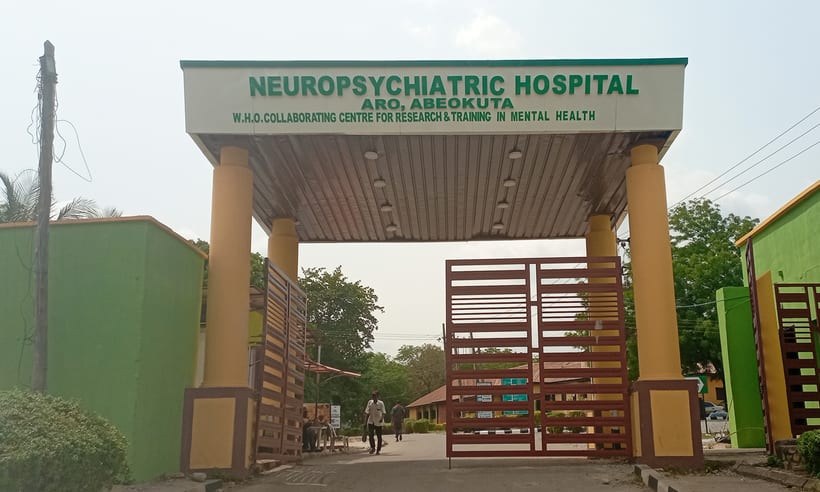
The Management of Neuropsychiatric Hospital, Aro, Abeokuta, has announced indefinite suspension of all academic activities at its School of Post-Basic Psychiatric Nursing following the death of a nursing student.
The suspension was contained in a notification on Tuesday, signed by Coordinator of Programme/Head of School, Dr Taiwo Omirin, on behalf of the Acting Provost and Medical Director.
According to the letter contained in a report, all students of 2025/2026 and 2026/2027 sets, including Masters’ Student Nurses and those undergoing orientation, are affected and resident students were directed to vacate hostel with immediate effect.
The management said the decision became necessary following death of Student Nurse Godwin Ayodeji Taiwo, which reportedly triggered unrest within hospital community.
“This decision follows the unfortunate demise of Student Nurse Godwin Ayodeji Taiwo, which has reportedly resulted in student unrest within the hospital community,” the letter stated.
The hospital said suspension was to provide peaceful and conducive environment for thorough investigation into circumstances surrounding his death.
It urged affected students and stakeholders to remain calm and comply strictly with directive pending further communication, while regretting any inconvenience caused.
Taiwo, a Post Basic nursing student who was said to be asthmatic, died at the institution under controversial circumstances, sparking protest among fellow students who alleged negligence in handling his emergency.
His death had generated outrage and calls for investigation into healthcare response system at the school.
An eyewitness also alleged that Taiwo’s death was the second this year, raising concerns among colleagues and students.
The National Agency for Food and Drug Administration and Control (NAFDAC) has launched an investigation into whether medicines administered to a National Youth Service Corps (NYSC) member may have contributed to his death at the orientation camp in Agwu, Enugu State.
The probe follows reports suggesting a possible link between the death and the use of substandard or falsified medicines. However, the agency said preliminary clinical findings had not established whether the medicines played any role in the incident.
In a statement signed by its Director-General, Prof. Mojisola Adeyeye, NAFDAC urged the public to avoid speculation about the cause of death pending the outcome of the investigation.
According to the agency, preliminary information indicated that the corps member was taken to the camp clinic on Wednesday, October 7, with symptoms suggestive of severe malaria and a history of peptic ulcer disease.
He was treated and stabilised before being discharged the following morning with oral medications.
However, he returned to the clinic on Saturday, October 10, complaining of right thigh pain and profuse sweating, alongside recurrent episodes of low blood pressure.
NAFDAC said his condition subsequently deteriorated, with reduced urine output despite fluid resuscitation. He was then referred to the University of Nigeria Teaching Hospital (UNTH), Ituku-Ozalla, where he became comatose.
Efforts to resuscitate him were unsuccessful. A preliminary clinical assessment identified acute kidney injury secondary to severe dehydration and shock as the suspected cause of death.
The agency stressed, however, that the findings did not establish whether the medicines administered to the corps member contributed to his death, adding that further investigation was necessary to determine any possible connection.
As part of the probe, NAFDAC said its officers had visited the camp clinic, interviewed the medical personnel who attended to the deceased and other staff, and collected samples of the medicines for laboratory analysis.
The agency said appropriate regulatory action would be taken if warranted by the findings.
While expressing condolences to the family of the deceased, NAFDAC urged the public to remain calm and allow the investigation to run its course.
It reaffirmed its commitment to ensuring that medicines available in Nigeria meet the required standards of safety, quality and efficacy.
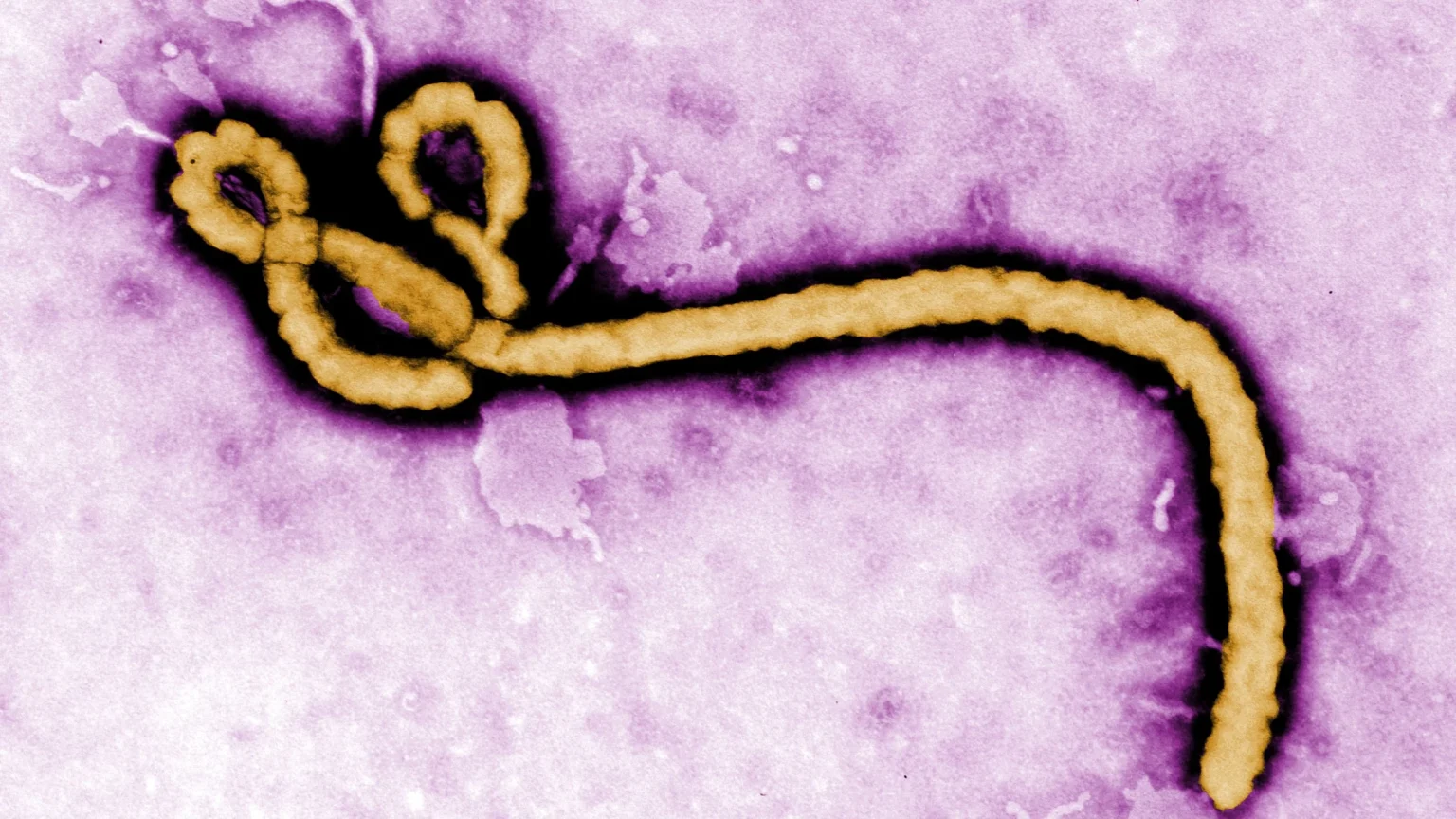
The Federal Government has confirmed a case of Ebola disease in the Federal Capital Territory (FCT), thus raising fresh public health concerns as authorities begin tracing 44 people who may have been exposed to the infection.
The patient, a woman who recently arrived in Nigeria on an international flight from Uganda, was admitted to a private hospital in the FCT, where she received treatment for several days before laboratory tests confirmed the disease on Tuesday, October 20, 2026.
The Federal Government said the woman had been placed in isolation and was receiving medical care, while public health authorities intensified surveillance and contact tracing to prevent further transmission.
The Coordinating Minister of Health and Social Welfare, Prof Muhammad Ali Pate, at a press conference in Abuja on Tuesday, however, assured Nigerians that the government was working with the FCT authorities and the Nigeria Centre for Disease Control and Prevention (NCDC) to contain the infection.
The minister said the 44 identified close contacts included people whose exposure may have occurred through healthcare interactions, as well as healthcare workers, patients, caregivers and travel contacts.
He told journalists that public health teams had commenced efforts to identify and monitor individuals who may have come into contact with the patient.
“Similarly, the hospital where the woman received treatment is also receiving immediate support to strengthen infection prevention and control measures,” he said.
The government called on public and private healthcare facilities across the country to remain on high alert, urging health workers to maintain a high index of suspicion, promptly identify and isolate suspected cases, and immediately report them to public health authorities.
It also stressed the need for strict adherence to infection prevention and control procedures in healthcare facilities.
Explaining how the disease spreads, the minister said Ebola is transmitted through direct contact with the blood or body fluids of an infected person who is sick or has died from the disease, or through contact with contaminated materials.
He added that an infected person cannot transmit the disease before symptoms begin. “Nigerians are advised to remain calm but vigilant, practise regular hand hygiene and avoid contact with the body fluids of anyone suspected to have Ebola,” he said.
The minister also urged citizens to watch out for symptoms such as fever, severe weakness, headache, vomiting and diarrhoea, particularly following possible exposure. “Those who suspect they may have been exposed are advised to report immediately to public health authorities, even if they were not experiencing symptoms.”
“Also, anyone who develops symptoms should avoid close contact with others and contact public health authorities for guidance before visiting a healthcare facility,” he added.
The minister further urged people contacted during the tracing exercise, including relevant airline passengers, to cooperate with health officials, provide necessary information and comply with public health advice.
-
 Health & Wellness1 year ago
President Tinubu Directs Cut in Dialysis Cost from ₦50,000 to ₦12,000
-
News2 years ago
CBN Debunks Fake Circular on New ₦5,000 and ₦10,000 Notes
-

 Business7 months ago
Dangote Refinery Reduces Petrol Gantry Price To ₦1,200 Per Litre
-

 International News7 months ago
Indian Police Arrest Nigerian Over ₦290m Drug Haul
-

 Business7 months ago
After Plea Bargain, Court Discharges Stella Oduah of ₦2.5bn Fraud
-
Business2 years ago
Dangote; We Did Not Fix ₦600/Litre Petrol Price
-
 Trending News1 year ago
NELFUND Disburses ₦86bn To 449,000 Beneficiaries
-
 Opinion2 years ago
Championing the People’s Voice: Obasa’s Dedication to Grassroots Representation By Dave Agboola⁰