
News
OBJ: Court Should Not Decide Election Winner

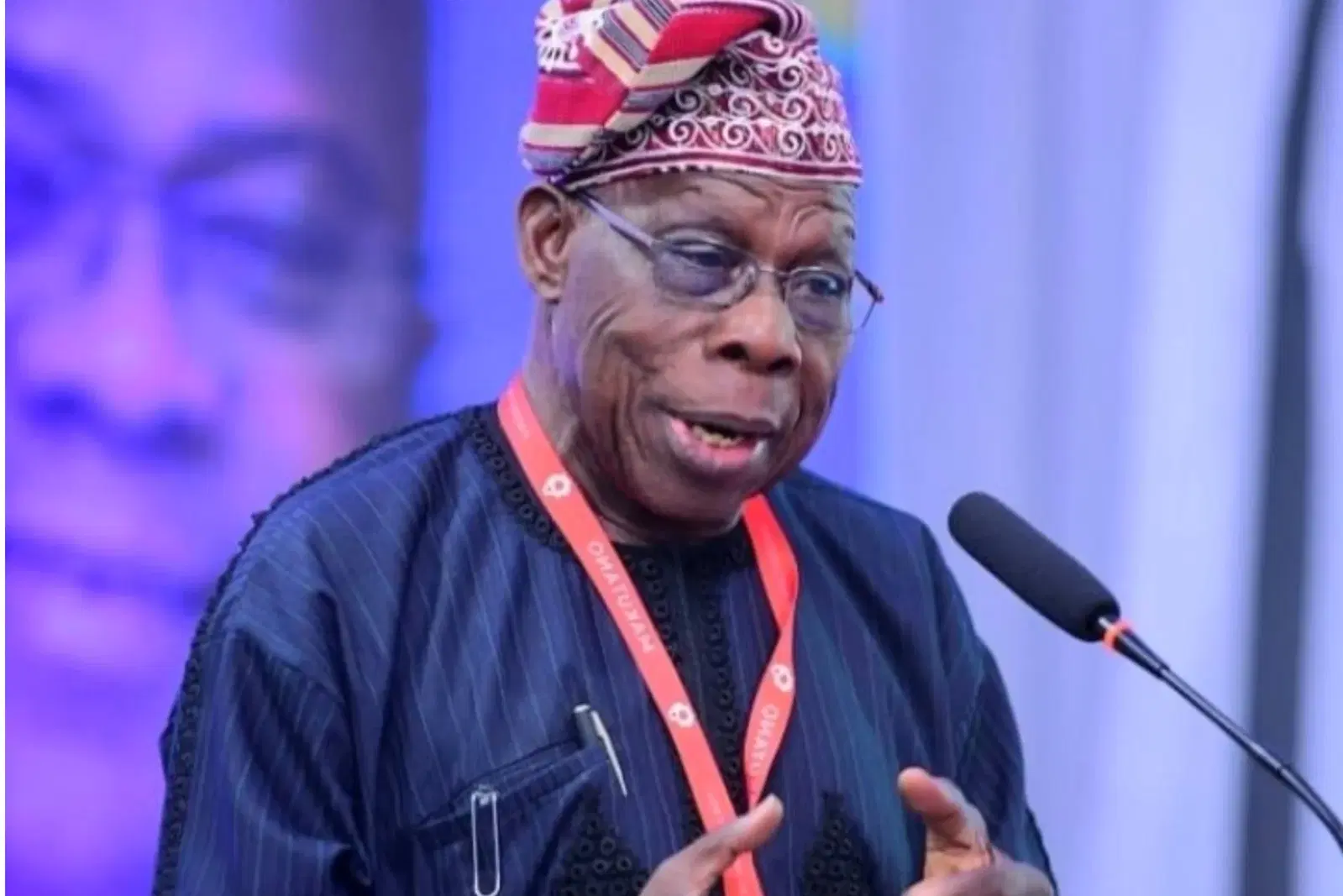
Former President Olusegun Obasanjo has expressed concern over the growing role of the judiciary in determining election outcomes in Nigeria, saying it undermines the essence of democracy when the votes of millions are ultimately decided by a handful of judges.
Obasanjo spoke yesterday as chairman of the 2026 Goodluck Jonathan Foundation (GJF) Democracy Dialogue at the Ahmadu Bello International Conference Centre, Bauchi.
The dialogue, with the theme, “Beyond Elections: Can Political Parties and Judiciary Save African Democracy?”, brought together political leaders, statesmen, scholars and democracy advocates from Nigeria and other African countries.
Obasanjo questioned whether it was democratic for millions of citizens to cast their votes only for a few judges to determine the final outcome.
“If millions of people have voted and five people would form a decision either in favour or against the decision of millions of people, is that democracy?” he queried.
He also questioned the independence of the judiciary, asking whether it remained truly independent or was being influenced by the government.
The former president said the situation raised fundamental questions about the state of democracy in Nigeria and Africa, noting that democracy must ultimately deliver good governance and improve the living conditions of citizens.
He said democracy should guarantee welfare and wellbeing, inclusiveness, equality, a sense of belonging, protection of lives and property, and an end to marginalisation and discrimination.
“Democracy that works must deliver the dividends of democracy,” he added.
Obasanjo also questioned the effectiveness of political parties in sustaining democracy, asking, “Can the political parties deliver, or are they delivering? These are the questions the dialogue needs to answer.”
Jonathan Advocates Swiss-style Presidency To Curb Power Concentration
In his own submission, former President Goodluck Jonathan urged African countries to review their democratic systems and adopt models that reflect their histories, cultures and political realities while upholding justice, equality, human rights, accountability and free elections.
Jonathan made the call in his vote of thanks at the 2026 Goodluck Jonathan Foundation Democracy Dialogue in Bauchi.
He suggested that elements of the Swiss system of government could provide useful lessons for some African countries, particularly in preventing excessive concentration of political power in one individual.
“At the top level of the presidency, perhaps the Swiss model, where you don’t have one powerful president, may be the best for some African countries,” he said.
Jonathan explained that Switzerland’s executive authority was exercised collectively rather than concentrated in a single individual, making it more difficult for one person to take far-reaching decisions without consultation.
“I remember when I was Vice President, I once said that forefathers believed that when one person has so much power, it is dangerous to society,” he recalled.
He warned that concentrating enormous political powers in one individual could weaken democratic governance and public institutions.
Jonathan also cautioned against measuring democracy solely by elections, saying elections were only one component of a functioning democratic system.
Citing the 2024 Afrobarometer survey of 39 African countries, he said more than 70 per cent of respondents expressed a preference for democracy, while satisfaction with how democracy was being practised was significantly lower in many countries.
“This clearly shows that there is something fundamentally wrong with our democracy,” he said.
The former president said democracy must guarantee fairness, justice and equal treatment, with citizens able to freely choose their leaders and participate in the political process.
“If that is lacking in a country, then, of course, there is no democracy there,” he said.
Jonathan called for an independent judiciary free from executive interference and urged governments to ensure that legislatures had sufficient independence to perform their oversight functions.
He acknowledged, however, that achieving complete separation between the executive and legislature could be difficult where members of both arms belonged to the same political party.

Victor Osimhen’s partner Stefanie Ladewig has reportedly been involved a motor accident.
According to report, that accident involved three vehicles, with Osimhen’s girlfriend driving one of the cars.
Report said the motor accident happened in Eyüpsultan,Turkey on Wednesday morning when Ladewig was on her way to the hospital.
Although there was no indication that she was at fault, Ladewig was reportedly driving an SUV on her way to the hospital before hitting two other vehicles in the accident.
However, the 26-year-old, who is eight months pregnant with her second child, was unhurt, along with the other people involved, according to the report.
Osimhen and Ladewig have known each other since they met in 2019, when the Super Eagles star was at Wolfsburg and she was a cheerleader.
The two started dating shortly afterwards and have never looked back, even though they are not officially married.
They also have a daughter, Hailey, who was born in October 2022, when Osimhen was still playing for Serie A giants Napoli.
The German-Cameroonian model also recently celebrated Hailey, who turned four, with a story post on her Instagram page.
Hailey herself also turned 26 last month, although she appeared to have had a low-key celebration this year.
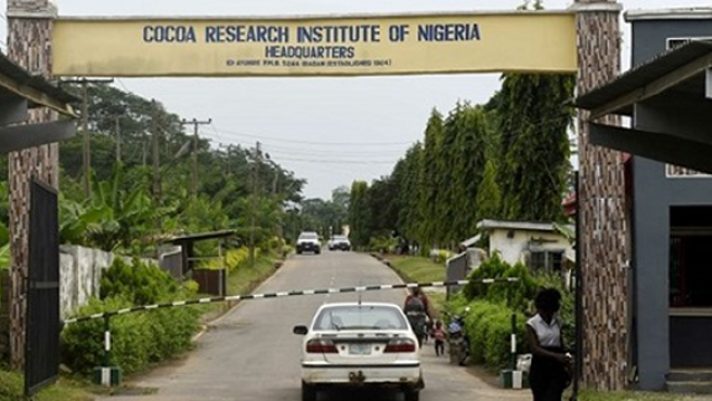
Three employees of the Cocoa Research Institute of Nigeria (CRIN), Ibadan, Oyo State, have regained their freedom six days after they were abducted by gunmen while working on a farm within the institute’s premises.
The victims were identified as Eunice Babalola, Kehinde Gbalajobi and another employee known as Nelson.
They were kidnapped last Thursday when armed men stormed the farm at about 1pm and whisked them away to an undisclosed location.
Sources familiar with the incident said the abductors initially demanded N40 million for each of the victims before the ransom demand was allegedly reduced to N50 million for all three workers following negotiations.
The workers regained their freedom in the early hours of Wednesday after security operatives traced them to a bush near Globus Farm, also known as Triton.
The Oyo State Police Command confirmed the rescue but did not disclose whether any ransom was paid to secure their release.
The Police Public Relations Officer, DSP Olayinka Ayanlade, said security agencies were continuing efforts to identify and arrest those responsible for the abduction.
The rescue came amid ongoing efforts by security operatives to track down the suspected kidnappers and bring them to justice.
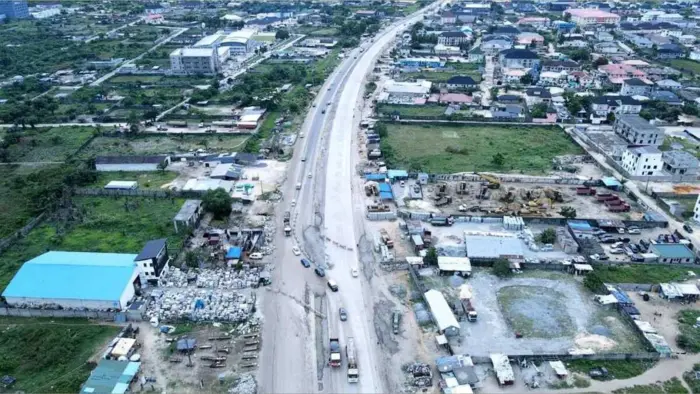
Motorists plying the deteriorating Eti-Osa-Lekki-Epe Expressway are expected to face temporary traffic disruptions as the Lagos State Government begins a 35-day rehabilitation of damaged sections from Bonny Camp to Admiralty Way Junction and around Victoria Garden City (VGC) tomorrow.
The government said traffic diversion arrangements would be introduced to minimise congestion and ensure the safety of road users during the exercise.
The Special Adviser to the Governor on Infrastructure, Olufemi Daramola, disclosed this yesterday at a stakeholders’ engagement organised by the Ministry of Works and Infrastructure to discuss the scope of work and traffic management plans for the project.
Daramola said the meeting was part of the government’s policy of consulting residents, businesses and other road users before embarking on major infrastructure projects, adding that feedback from stakeholders would inform the implementation process.
He appealed for the cooperation of residents and motorists, particularly as Lagos prepares for increased traffic during the festive season.
The rehabilitation is expected to improve road safety and ease movement along the strategic corridor, which connects residential communities, commercial centres and major industrial investments across the Lekki-Epe axis.
The expressway provides access to the Lekki Free Zone, Dangote Refinery, Dangote Fertiliser Factory, Lekki Deep Sea Port and Eleganza Industrial Estate. It also serves major housing developments and educational institutions, including Pan-Atlantic University and Lagos Business School.
However, rapid urbanisation, growing commercial activities and increasing traffic have accelerated the deterioration of some sections, leaving commuters struggling with difficult journeys along the busy route.
Daramola said the government was also addressing drainage concerns along the corridor, adding that the proposed Green Line rail project would form part of a broader plan to improve transportation infrastructure in the area.
-
 Health & Wellness1 year ago
President Tinubu Directs Cut in Dialysis Cost from ₦50,000 to ₦12,000
-
News2 years ago
CBN Debunks Fake Circular on New ₦5,000 and ₦10,000 Notes
-
 International News7 months ago
Indian Police Arrest Nigerian Over ₦290m Drug Haul
-
 Business7 months ago
Dangote Refinery Reduces Petrol Gantry Price To ₦1,200 Per Litre
-
 Business7 months ago
After Plea Bargain, Court Discharges Stella Oduah of ₦2.5bn Fraud
-
Business2 years ago
Dangote; We Did Not Fix ₦600/Litre Petrol Price
-
 Trending News1 year ago
NELFUND Disburses ₦86bn To 449,000 Beneficiaries
-
 Opinion2 years ago
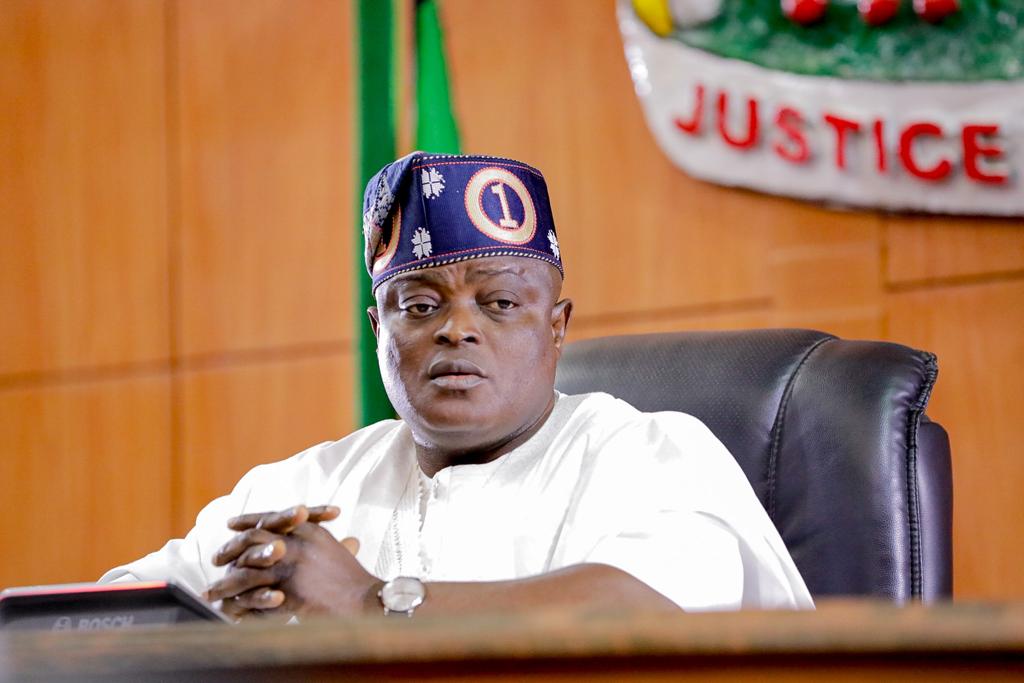
Championing the People’s Voice: Obasa’s Dedication to Grassroots Representation By Dave Agboola⁰