
News
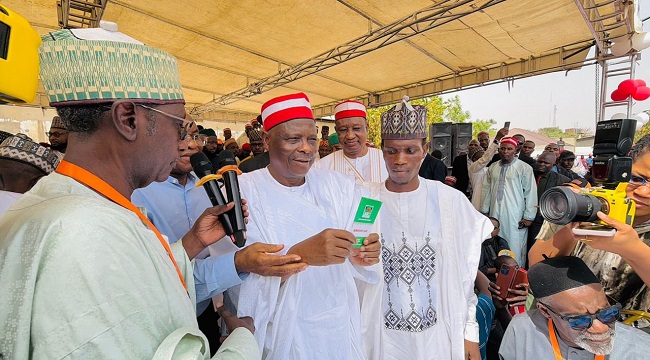
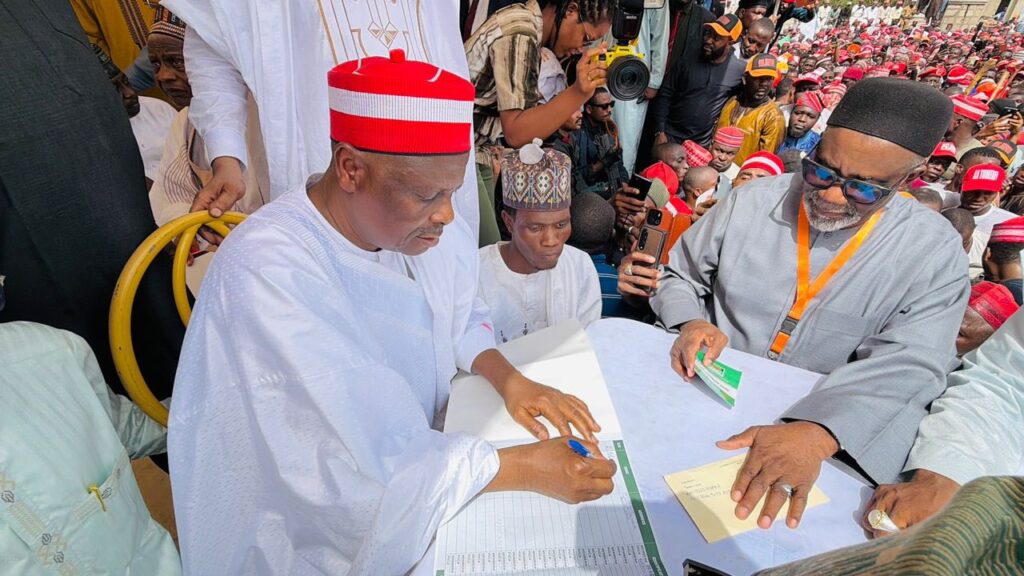
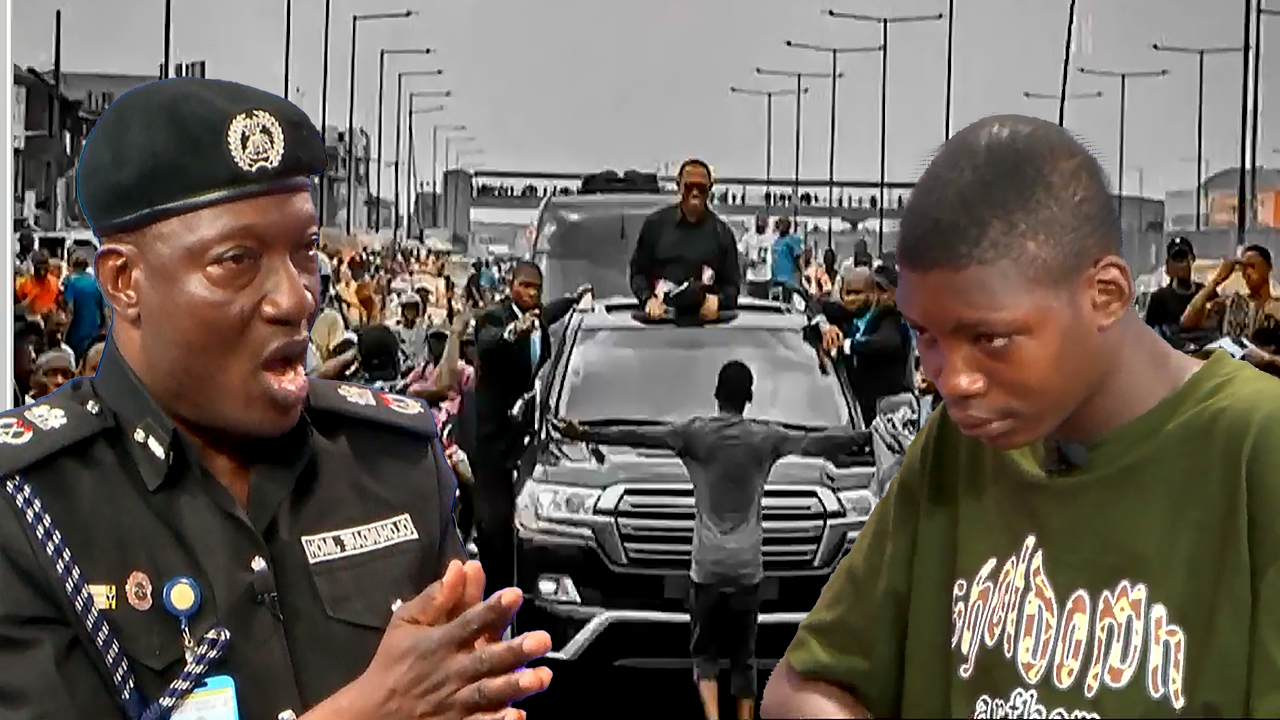
Peter Obi, Aminu Tambuwal, Rotimi Amaechi Storm Kano as Rabiu Kwankwaso Officially Joins ADC





Some of the suspected illegal miners who shared same detention facility with the 37 suspects who died in custody have recounted their experience.
Recall that at least 37 suspected illegal miners who were arrested by operatives of the Nigeria Security and Civil Defence Corps (NSCDC) lost their lives barely two days after they were arrested.
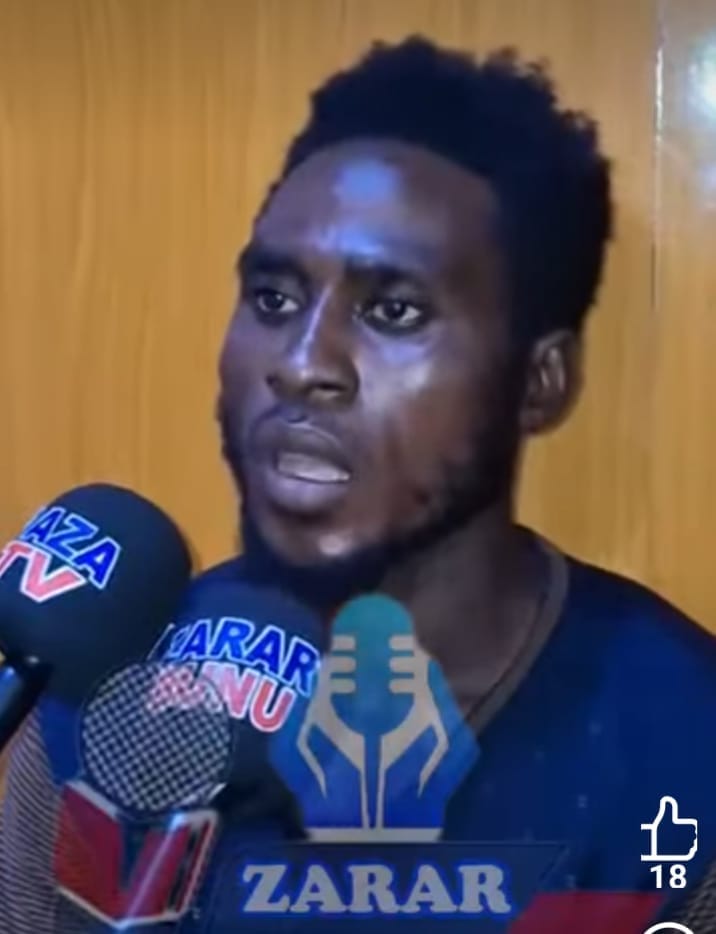
In an interview with Zarar Bunu TV and published by Daily Trust, some of the survivors narrated how the deceased gasped for breath as their lives gradually slipped away.
“Those who still had a vestige of life began crying out and banging hard on the door, but NSCDC personnel on duty remained unresponsive,” Dauda Shehu, one of the suspects said.
Shehu, alongside his colleagues, left Allawa village full of hope in search of greener pasture, unknown to them that death lay in wait for them.
“We exhausted every means to stay alive, including drinking our urine and calling for help, but no one came to our aid. The inmates on the left and right began falling one after another,” he continued.
According to Shehu, trouble began when community leaders in Lokoto, a small village and residential settlement located in the Bosso Local Government Area (LGA) of Niger State, demanded N150,000 for each mining pit.
“We met with them at the palace. They demanded N150k for each mining pit, but we complained that diamonds were not abundant in the area, and, therefore, we could not raise the amount. A few of us paid, while some promised to pay.”
“Sixty-six of us were put in one cell. Six people are currently on admission. They did not torture us, but there was excessive heat.
“We complained that the cell was too small to accommodate all of us, but they did not listen to us. We watched our colleagues die, and even when we raised the alarm, they thought we were lying.
“We drank urine because we couldn’t access water due to heat. Some people died in the night while others died in the morning on Thursday,” he said.
Aminu Sale (not real name) said that the suspects were drenched in sweat as they struggled to survive in the overcrowded cell.
“We shared, in turns, a small window for ventilation. Many of my friends and relatives have fallen,” he said.
Sale said that he is one of internally displaced persons (IDPs) from Allawa in Shiroro Local Government Area of the state, saying mining is the only source of his income.
Parents who appeared distressed after seeing the lifeless bodies of their children, called on the authorities to release the remains of their children for burial.
Hauwa Umar (not real name) said her nephew was among the victims and appealed to the authorities to release his remains for burial.
She said, “We don’t want our son in the mortuary. We need his remains. They cannot bring our son back, but they are holding his remains. This is sheer injustice.”
Ummi Halli (not real name) also appealed to the authorities to release the remains of the grandson.
She said, “Thy committed no offense. They were earning their living legitimately. His younger brother came panting to tell me about the death of his elder brother. We need his remains immediately.”
Malam Abdullahi, a security guard at A.A Rano filling station along Mai Tumbi, said he had sought bail for his son from the NSCDC for three days, but his request was declined.
He said, “I saw ambulances loaded with corpses. I took food to my son that night. I also took food to him in the morning, but found his lifeless body. I lost a breadwinner.”
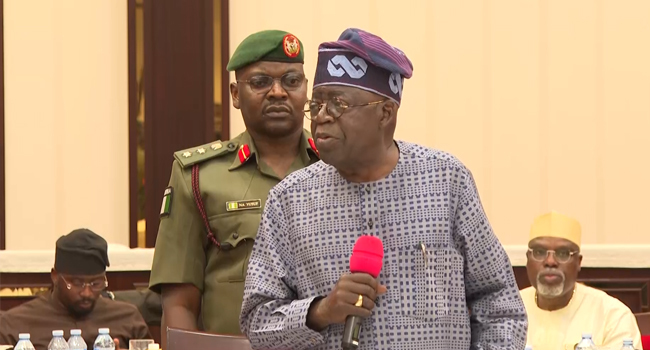
The Federal Government has inaugurated the Inter-Ministerial Committee for the commemoration of Nigeria’s 66th Independence Anniversary, unveiling a programme of activities culminating in a nationwide broadcast by President Bola Tinubu on October 1, 2026.
Head of the Information and Public Relations Department in the Office of the Secretary to the Government of the Federation OSGF, Chris Ugwuegbulam, disclosed this in a statement issued Friday in Abuja.
He said the inaugural meeting of the Committee was held on Thursday, and EWS was chaired by the Secretary to the Government of the Federation, SGF, Senator George Akume, who was represented by the Permanent Secretary, Political and Economic Affairs Office (PEAO), Mrs Bekearedebo Augusta Warrens.
Akume said the anniversary provides an opportunity for Nigerians to reflect on the contributions, sacrifices and enduring legacies of the nation’s founding fathers and heroines who worked for Nigeria’s independence from colonial rule, noting that the achievements recorded since independence were built on the foundation laid by the country’s nationalists.
He said the celebration would also allow the administration to showcase its achievements and highlight efforts being undertaken to reposition the country through its reform initiatives, against the backdrop of the socio-economic challenges confronting the nation.
The SGF, however, emphasised that activities for this year’s celebration would be low-key, urging members of the Committee to work with urgency given the limited time before October 1.
According to him, the programme of activities will commence with a World Press Conference on Thursday, September 24, 2026, followed by a Juma’at Service on Friday, September 25; a Church Service on Sunday, September 27; an Independence Day Public Lecture on Wednesday, September 30; and the nationwide broadcast by President Tinubu on Thursday, October 1, 2026.
The Committee comprises the SGF as Chairman, with members including the Minister of Finance and Coordinating Minister of the Economy, Mr Taiwo Oyedele; the Minister of Information and National Orientation, Mohammed Idris; the Minister of Interior, Dr Olubunmi Tunji-Ojo; the Minister of Foreign Affairs, Amb Bianca Odumegwu-Ojukwu; the Minister of the Federal Capital Territory Administration, Barr Nyesom Wike; the Minister of Budget and Economic Planning, Sen Abubakar Atiku Bagudu, CON; the National Security Adviser, Mallam Nuhu Ribadu; the Special Adviser to the President on Policy Coordination, Hadiza Bala Usman; and the Special Adviser to the President on Information and Strategy, Mr Bayo Onanuga.
Other members include the Special Adviser to the President on Media and Public Communications, Chief Sunday Dare; the Permanent Secretary, State House, Engr Temitope Peter Fashedemi; the Permanent Secretary, General Services Office (GSO), Dr Ibrahim Abubakar Kana, mni; the Permanent Secretary, Federal Ministry of Health, Ms Kachollom Daju, mni; the Permanent Secretary, Cabinet Affairs Office (CAO), Dr John Chidiebere Ezeamama; the Inspector-General of Police, Mr Olatunji Disu; the Director-General, Department of State Services, Mr Adeola Oluwatosin Ajayi; the Commander, Guards Brigade, Brig Gen Adebisi Olusegun Onasanya; and the Permanent Secretary, Political and Economic Affairs Office (PEAO), Mrs Bekearedebo Augusta Warrens.
According to the SGF, the Terms of Reference of the Inter-Ministerial Committee include planning, organising and executing all approved activities for the October 1, 2026 Independence Day celebration; co-opting any organisation or individual considered relevant to the successful execution of the programme; documenting the planned activities for posterity; and undertaking any other assignment required to ensure the successful implementation of the celebration.
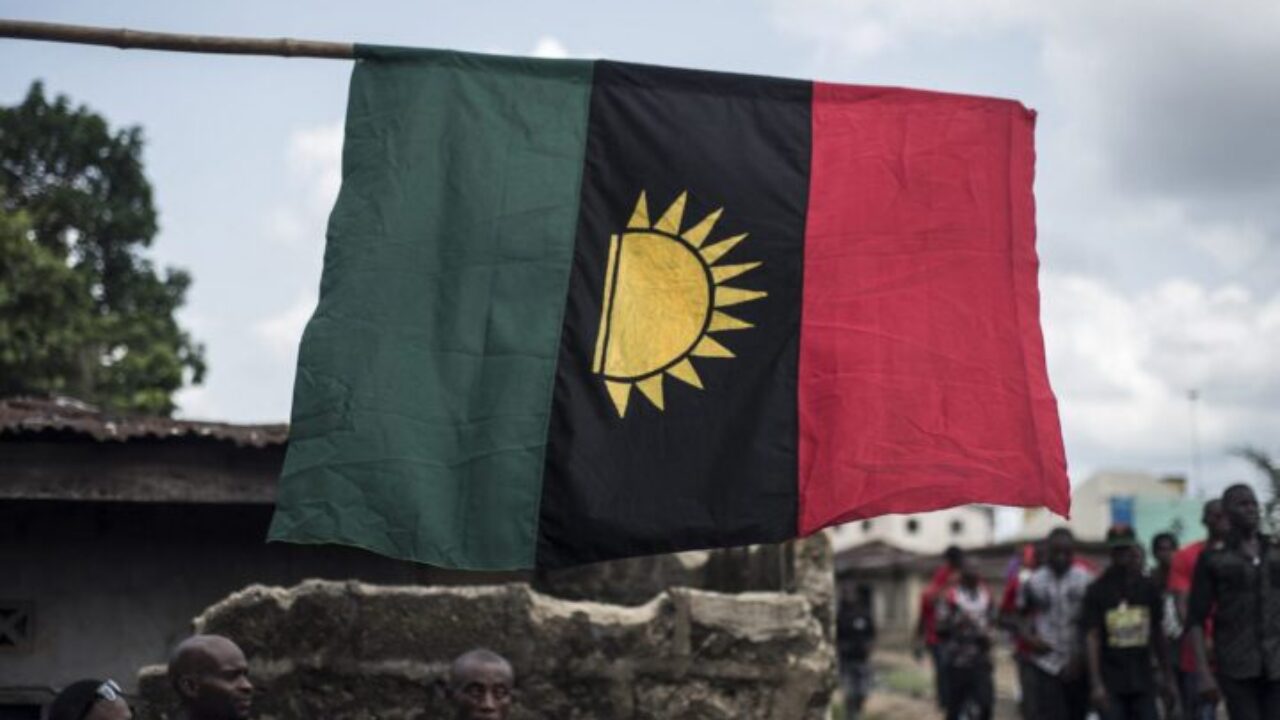
Ahead of the 2027 general election, the Indigenous People of Biafra (IPOB) has dismissed another round of balloting as incapable of resolving what it described as Nigeria’s fundamental political crisis, insisting that the country needs a referendum rather than another change of political leadership.
The separatist group said the question confronting Nigeria goes beyond who emerges president in 2027, arguing that Nigerians should first be given an opportunity to determine whether they want to continue under the existing political arrangement or negotiate a different constitutional future.
In a statement by its spokesperson, Emma Powerful, on Thursday ,IPOB said the debate should not be reduced to a choice among President Bola Tinubu and opposition figures, including Atiku Abubakar and Peter Obi.
It maintained that repeatedly electing different leaders without addressing what it called Nigeria’s foundational problems amounted to “doing same thing over and over again and expecting a different result.”
According to the group, its leader, Nnamdi Kanu, has consistently placed referendum and self-determination at the centre of the agitation. “The peoples trapped in this colonial construction named Nigeria should determine, peacefully and democratically, the future they want.”
IPOB argued that while an election determines who exercises political power for a specified period, a referendum could enable citizens to decide the constitutional framework under which they want to be governed.
IPOB said such a process should not predetermine Nigeria’s break-up, but should give the people an opportunity to choose among remaining together under a new constitution, adopting another federal arrangement or pursuing self-determination.
It drew comparisons with the United Kingdom, citing constitutional votes held in Scotland, Wales and Northern Ireland.
The group referred particularly to Scotland’s 2014 independence referendum, the 1997 devolution referendums in Scotland and Wales and the 1998 Northern Ireland vote on the Belfast Agreement.
It also cited the September 14, 2026 memorandum signed in Cardiff by leaders of Plaid Cymru, the Scottish National Party and Sinn Féin, in which the parties asserted the right of their respective peoples to determine their constitutional futures through democratic means. The Cardiff agreement and its self-determination language have been independently reported.
“If referendum can settle constitutional questions in Britain, why should the peoples of Nigeria be permanently denied the same opportunity?” IPOB asked.
The group also cited a recent symbolic vote in Piddington, Oxfordshire, as further evidence of the use of voting to express views on constitutional or territorial questions.
IPOB sought to reinforce its argument with recent comments by former President Olusegun Obasanjo on Africa’s democratic system.
At the Goodluck Jonathan Foundation Democracy Dialogue in Bauchi on August 11, Obasanjo criticised the Western liberal democratic model inherited by African countries, arguing that it lacked sufficient African context and content. His remarks were made at a forum themed, “Beyond Elections: Can Political Parties and the Judiciary Save African Democracy?”
The pro-Biafra group also cited former President Goodluck Jonathan’s previous comments on Nigeria’s historical struggle to achieve national integration following the 1914 amalgamation.
It maintained that the approach to the 2027 election presents another opportunity for the country to confront what it considers the more fundamental question of political consent rather than concentrate solely on the personalities seeking the presidency.
For IPOB, the group said, “the issue is not who governs Nigeria, but what political arrangement the people freely consent to live under.”
-
 Health & Wellness1 year ago
President Tinubu Directs Cut in Dialysis Cost from ₦50,000 to ₦12,000
-
 News1 year ago
PICTURE: In Lagos Couple Sentenced to 22½ Years for Cannabis Trafficking
-
 Business6 months ago
Dangote Refinery Reduces Petrol Gantry Price To ₦1,200 Per Litre
-
 Trending News1 year ago
NELFUND Disburses ₦86bn To 449,000 Beneficiaries
-
 Business2 years ago
Heritage Bank Customers’ Path to Securing ₦5m Insured Funds: A Step-By-Step Guide by NDIC”
-
Business2 years ago
Dangote; We Did Not Fix ₦600/Litre Petrol Price
-
 International News6 months ago
Indian Police Arrest Nigerian Over ₦290m Drug Haul
-
 Business6 months ago
After Plea Bargain, Court Discharges Stella Oduah of ₦2.5bn Fraud