
News
Peter Obi, Aminu Tambuwal, Rotimi Amaechi Storm Kano as Rabiu Kwankwaso Officially Joins ADC








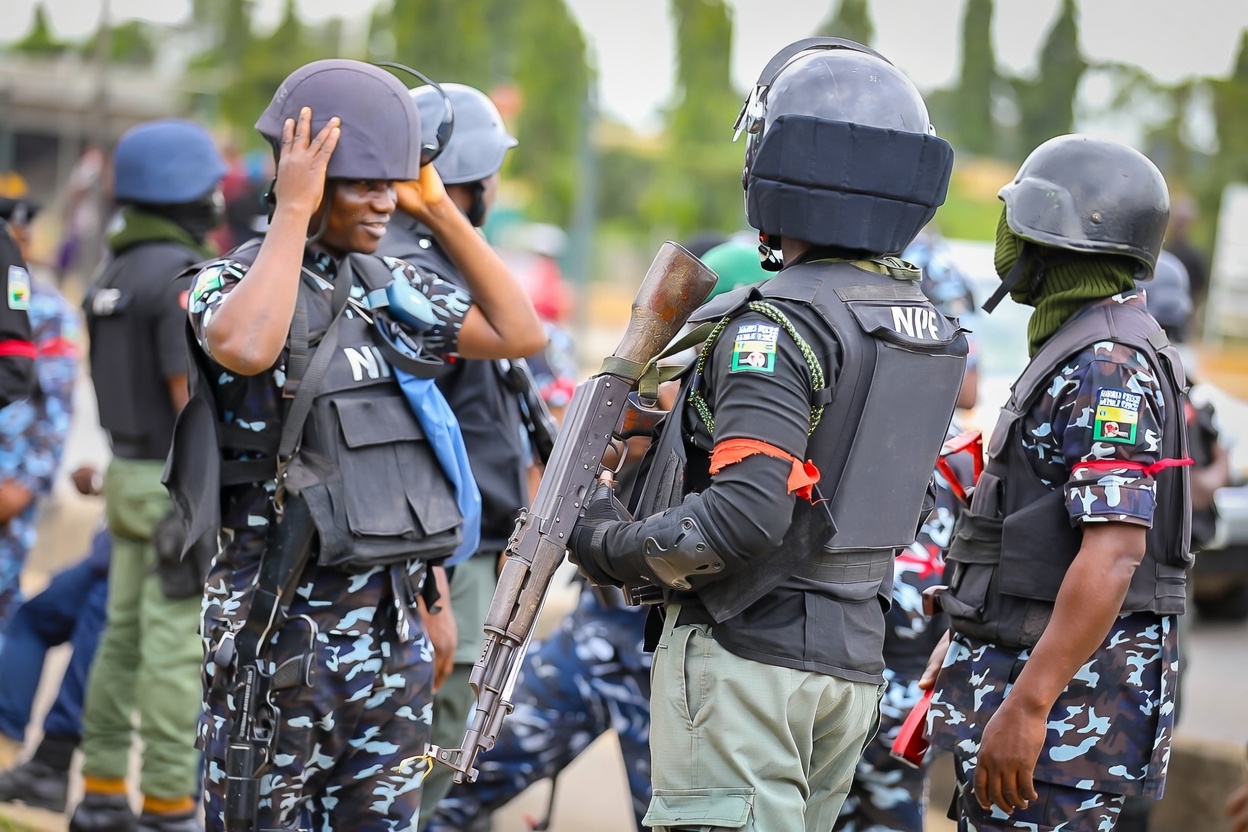
The Imo State Police Command has explained how security agencies secured the release of 21 people, including 20 prospective National Youth Service Corps (NYSC) members, who were abducted in the state.
The Commissioner of Police, Audu Bosso, said the abductors eventually released the victims after security operatives intensified efforts to locate their hideout and mounted pressure on them.
Bosso disclosed this during an interview with Channels Television on Thursday, while providing an update on the rescue operation.
According to the police commissioner, the command had no information indicating that a ransom was paid to secure the victims’ freedom.
He said security personnel had combed the forest as part of a coordinated operation, which eventually forced the kidnappers to give up the captives.
Bosso, however, said the rescued victims were still receiving attention at the office of the Department of State Services (DSS).
The 20 prospective corps members and another victim were kidnapped on October 1 while travelling from Ibadan, Oyo State, to NYSC orientation camps in Abia and Akwa Ibom states.
Following the incident, security agencies launched a joint search for the victims and the suspected kidnappers.
The police had earlier disclosed that drone surveillance helped operatives identify the location of the kidnappers’ camp.
However, security personnel could not immediately access the area after the location was reportedly found to have been planted with improvised explosive devices.
Additional operational resources were subsequently deployed as security agencies intensified their efforts to reach the abducted victims.
The incident had raised concern among relatives of the victims, particularly amid reports that the kidnappers were demanding ₦50 million for each person in their custody.
Police authorities had previously announced the rescue of 10 victims while the search for the remaining abductees continued.
The remaining victims were eventually released from the Amakohia-Ubi forest in Owerri West Local Government Area of Imo State on Wednesday following the coordinated security operation.
The development brought an end to the ordeal of the 21 abducted persons, who were subsequently taken to safety and placed under medical attention in Owerri.
Imo State Governor Hope Uzodimma commended the security agencies involved in the operation.
In a statement personally signed by him, the governor also praised the cooperation between the Imo and Oyo state governments, saying their joint efforts contributed to the release of the abducted persons.
A humanitarian and field operations professional, Ms Lydia Chinenye Nwankwo, has been killed following an attack by suspected bandits in Sokoto State.
Nwankwo was reportedly attacked alongside members of her team while returning from field operations in Kajiji community, Shagari Local Government Area of the state on Tuesday, October 6, 2026.
The development was confirmed by her sister, Chisom Nwankwo, who announced the tragic incident in a Facebook post on Thursday October 8.
According to the family, the team came under heavy attack from the armed bandits who opened fire on their vehicle, killing the young humanitarian worker on the spot.
The incident has thrown the humanitarian community in Sokoto into mourning, with colleagues describing Lydia as a dedicated field worker committed to serving vulnerable communities in hard-to-reach areas.
Report also says the Sokoto State Police Command has confirmed the attack on communities in Shagari LGA, disclosing that a police inspector also lost his life during the incident.
The Command’s Public Relations Officer, DSP Ahmed Rufai said the Divisional Police Officer in charge of Shagari LGA had briefed the state headquarters on the development.
Rufai, however, noted that the Command was still collating details of the attack to ascertain the full extent of casualties and damage.
“I just spoke with the DPO in charge of Shagari now, who confirmed the attack on some communities in the local government. We are still on it. I cannot give details now until I gather my information about the incident” report quoted the police mouthpiece.
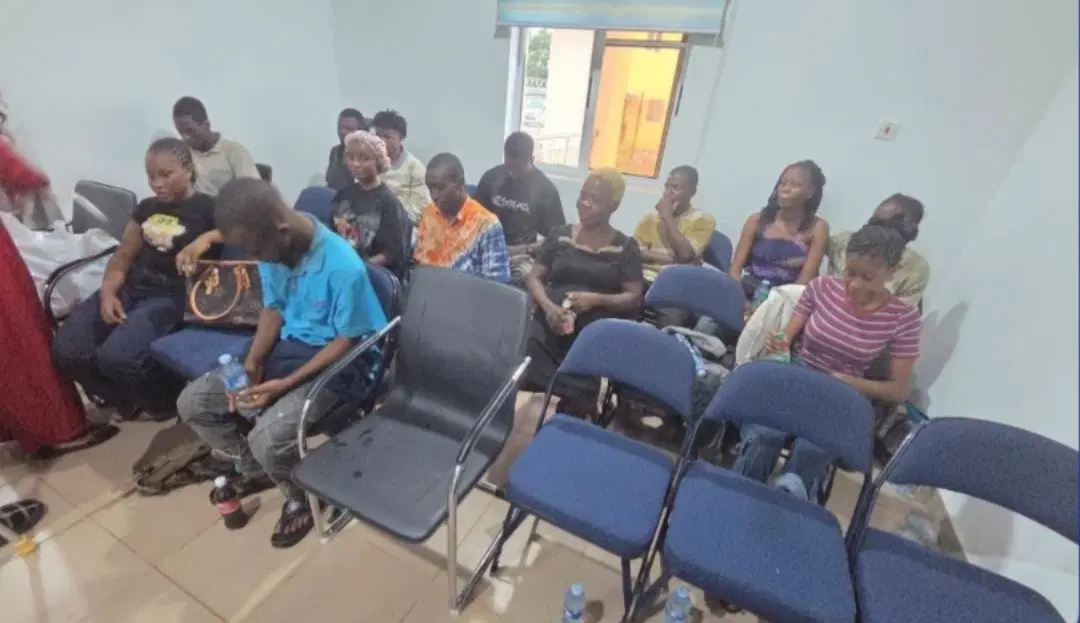
The mother of a prospective National Youth Service Corps (NYSC) member abducted on the Owerri-Onitsha expressway has said her family paid N6 million to secure his release, while police attributed the victims’ freedom to a joint security operation.
The woman, whose name was not disclosed, told News Central Television on Wednesday that the kidnappers initially demanded N50 million for each victim before accepting N6 million for her son.
Her account came as the Nigeria Police Force announced that security operatives had rescued 20 abducted NYSC members in Imo State
Speaking in Yoruba, the mother described how the family pleaded with the abductors to reduce their demand.
“Initially, they asked us to pay N50 million per head. We asked whether the amount was for all of them, but they insisted that no, it was for each person. Later, we started begging them to take N500,000. But they said no and started scaring us,” she said.
“Three days ago, they called and said we should pay N15 million. We kept begging them that all we had was N5.5 million. They said no and insisted on N6 million. So, it’s that N6 million we paid.”
She said the abductors contacted the victims’ parents and directed them to send representatives to a meeting in Ibadan, Oyo State.
According to her, her husband and the victim’s elder brother went to the meeting.
“When they got to the meeting place, they asked them to send the money to an account and that when they got to Imo state, they should change the money into dollars,” she said.
The woman said her elder son was among those who took the ransom to the kidnappers and later called to confirm his brother’s release.
“It was the brother who called us this evening to say that they had handed the ransom to the kidnappers and that they had released our son. We also spoke to the boy,” she said.
She said her son’s captivity left her unable to sleep and caused her considerable distress.
“Since he was kidnapped, I have been stooling. I couldn’t sleep either. But I was relieved when I heard they had been released. It was as though the chains all over me were loosened,” she said.
The victims were abducted on October 1 when gunmen attacked two 18-seater buses carrying passengers from Ibadan along the Owerri-Onitsha expressway.
A video circulated on X showed that the passengers were travelling to Akwa Ibom and Abia states in buses bearing the Abia State Government logo when the attackers intercepted the vehicles, robbed them and forced them into the forest.
Imo State Police Command spokesperson, Henry Okoye, confirmed that the attack occurred at about 6.30 a.m. He said 10 victims were rescued immediately, while security operatives began intelligence-led search-and-rescue operations for the others.
-
 Health & Wellness1 year ago
President Tinubu Directs Cut in Dialysis Cost from ₦50,000 to ₦12,000
-
News2 years ago
CBN Debunks Fake Circular on New ₦5,000 and ₦10,000 Notes
-

 International News6 months ago
Indian Police Arrest Nigerian Over ₦290m Drug Haul
-

 Business7 months ago
Dangote Refinery Reduces Petrol Gantry Price To ₦1,200 Per Litre
-

 Business7 months ago
After Plea Bargain, Court Discharges Stella Oduah of ₦2.5bn Fraud
-
Business2 years ago
Dangote; We Did Not Fix ₦600/Litre Petrol Price
-
 Trending News1 year ago
NELFUND Disburses ₦86bn To 449,000 Beneficiaries
-
 Opinion2 years ago
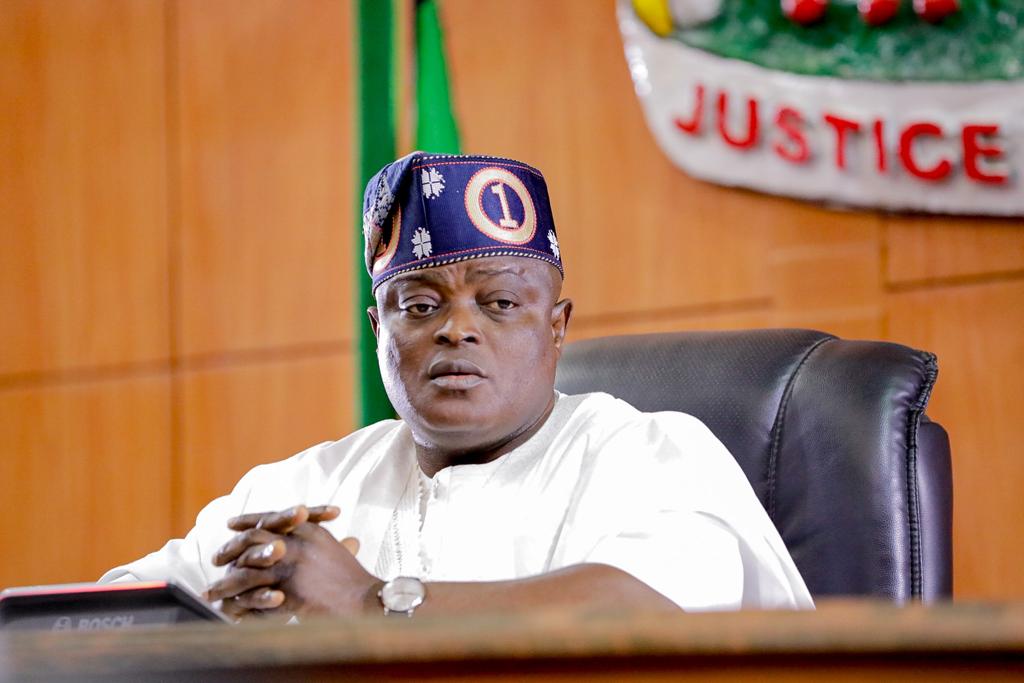
Championing the People’s Voice: Obasa’s Dedication to Grassroots Representation By Dave Agboola⁰