
News
Ebola: NCDC Places Nigeria On High Alert

The Nigeria Centre for Disease Control and Prevention (NCDC) has issued a public health advisory following the latest update on the ongoing Ebola Virus Disease (EVD) outbreak in the Democratic Republic of the Congo (DRC).
The Centre said Nigeria had been placed on “high alert” as it continued to strengthen surveillance, preparedness and response measures against any potential threat from the outbreak.
The advisory was contained in a statement signed by the Director-General of the NCDC, Jide Idris.
The Centre said all preparatory activities were ongoing and that the measures would continue to be reviewed in line with the evolving epidemiological situation and public health risk assessment.
“These measures will continue to be reviewed in line with the evolving epidemiological situation and public health risk assessment,” the NCDC said.
As part of the enhanced surveillance measures, the Centre advised travellers arriving from countries with active or relevant EVD transmission to complete the Health Declaration Form.
It said the measure was part of efforts to strengthen public health surveillance and facilitate appropriate follow-up of travellers where necessary.
“Passengers from all other countries are exempted from completing the form at this time,” the Centre said.
The NCDC also urged members of the public to remain vigilant, particularly for symptoms consistent with EVD.
It advised anyone who develops symptoms to promptly seek medical attention and provide relevant information about recent travel or possible exposure to the virus, where applicable.
The Centre said the advisory followed a Dynamic Risk Assessment conducted by the NCDC, alongside consultations with relevant public health experts and the Federal Ministry of Health and Social Welfare.
It stressed that it remained committed to protecting the health of Nigerians through evidence-based surveillance, preparedness and response to public health threats.
The advisory comes amid a continuing outbreak of Ebola disease caused by the Bundibugyo virus in the DRC. The European Centre for Disease Prevention and Control (ECDC) reported that the DRC had recorded 7,672 confirmed cases and 3,699 related deaths as of September 20, based on data up to September 19.
The ECDC said 886 patients were hospitalised in isolation at the time, representing an increase of 58 confirmed cases and 23 deaths from the previous report on September 19.
The 58 new cases were reported in Ituri, which recorded 38 cases; North Kivu, 14 cases; Haut-Uélé, five cases; and Tshopo, one case.
Among people who tested positive for the Bundibugyo virus, 1,879 had recovered, while 79.9 per cent of identified contacts were under follow-up in the affected provinces, according to the ECDC.
The agency further reported that, since its previous report on September 18, the DRC had recorded 197 new confirmed cases and 94 deaths.
Ituri Province remained the most affected area, with 5,913 cases, including 2,703 deaths, reported from 28 of its 36 health zones, the ECDC said.
The ECDC has continued to monitor the outbreak and, on September 21, announced the deployment of two epidemiologists to the DRC to strengthen surveillance and support the overall outbreak response.
The current outbreak is caused by the Bundibugyo virus, a species of ebolavirus. The ECDC has noted that there are currently no licensed vaccines or specific treatments for disease caused by Bundibugyo virus.
Nigeria had previously intensified its preparedness for the outbreak. In a May 2026 advisory, the NCDC said the risk of importation into Nigeria had been assessed as high because of ongoing regional transmission, international travel, population movement, major airports, seaports, land borders and trade routes.
The latest advisory therefore reinforces Nigeria’s surveillance and preparedness measures as the DRC continues to respond to the outbreak.
The Chairman of the Independent National Electoral Commission, INEC, Prof Joash Amupitan, has emphasised that sufficient financial resources are essential for securing the necessary security measures and logistical support required to successfully execute the 2027 general elections.
Amupitan conveyed this message on Wednesday in Owerri, Imo State, during a goodwill address at the sixth edition of the Conference and Retreat for Senior Police Officers, which focused on the theme: “Developing a Nigeria Police Roadmap for Effective Management of Security During Elections.”
The INEC chairman noted that while the commission’s funding is constitutionally designated as a first-line charge on the Consolidated Revenue Fund, the breadth of its mandates necessitates continuous financial investment to facilitate effective electoral administration.
He elaborated that INEC bears responsibility for conducting not only presidential and National Assembly elections, but also governorship and state House of Assembly elections, managing voter registration, and overseeing the registration of political parties.
According to him, the commission additionally possesses statutory authority to direct the deployment of security agencies for electoral activities and voter registration processes, thereby establishing security as a fundamental component of the electoral framework.
He said, “Sometimes, it is not what you would like to do that you are able to do because of financial constraints. The system does make allocations of what is available and what is affordable at a particular time for the expenses and appropriation of the agencies, including the police and also including INEC.”
Amupitan emphasised that voter registration constitutes the cornerstone of legitimate elections, asserting that an inaccurate or obsolete voters’ register could compromise the electoral process’s inclusiveness.
He contended that because INEC administers elections affecting all three governmental tiers, election-related expenditures, encompassing security-related outlays, ought to be regarded as a shared national obligation.
The chairman noted that sufficient funding was essential for deploying personnel and electoral materials to local government areas, wards, registration areas, and polling units.
In his assessment, even when security agencies successfully maintain peace, insufficient logistical support could still jeopardise election administration.
Amupitan noted that INEC had prioritised both security and logistics under his tenure, emphasising that the commission was collaborating with governmental and security entities to prevent operational impediments from compromising the 2027 elections.
He further emphasised the significance of the Inter-Agency Consultative Committee on Election Security, ICCES, saying it is a collaborative forum that combines INEC and security and governmental agencies to facilitate election security coordination.
He explained that the committee, which originated as a coordinating framework following the 2011 general elections in response to post-election violence concerns, has matured into a formalised election security coordination mechanism.
According to him, ICCES now operates at federal, state and local government levels, with the Inspector-General of Police participating at the national level, commissioners of police at the state level and divisional police leadership represented at the local level.
The INEC chairman said stronger coordination among the agencies would be necessary ahead of 2027, noting that the police remained the lead agency when it came to election security.
He also cited recent off-cycle elections as evidence of the importance of adequate security and coordination, recalling that security agencies had helped to resolve incidents that could otherwise have disrupted the electoral process.
Amupitan said the experience of recent elections should be used to strengthen preparations for the 2027 general elections, particularly in intelligence gathering, logistics and inter-agency coordination.
He added that Nigerians expected a highly effective electoral system but must also recognise that achieving such standards requires adequate resources.
“In Nigeria, we want the best. We want our electoral system to be 100 per cent. But sometimes we don’t ask ourselves the question: if we want the nation to be perfect, there must be a cost for it,” he said.
He urged the relevant authorities to provide the resources required by security agencies and INEC to perform their respective responsibilities effectively.
Reaffirming the Commission’s commitment to deepening operational synergy through ICCES, the Chairman expressed optimism that the Owerri retreat would produce an actionable, forward-looking roadmap ahead of the 2027 General Elections.
He charged senior police managers to sustain absolute professional neutrality, proactive intelligence gathering, and seamless inter-agency coordination to continuously protect the integrity of the ballot.
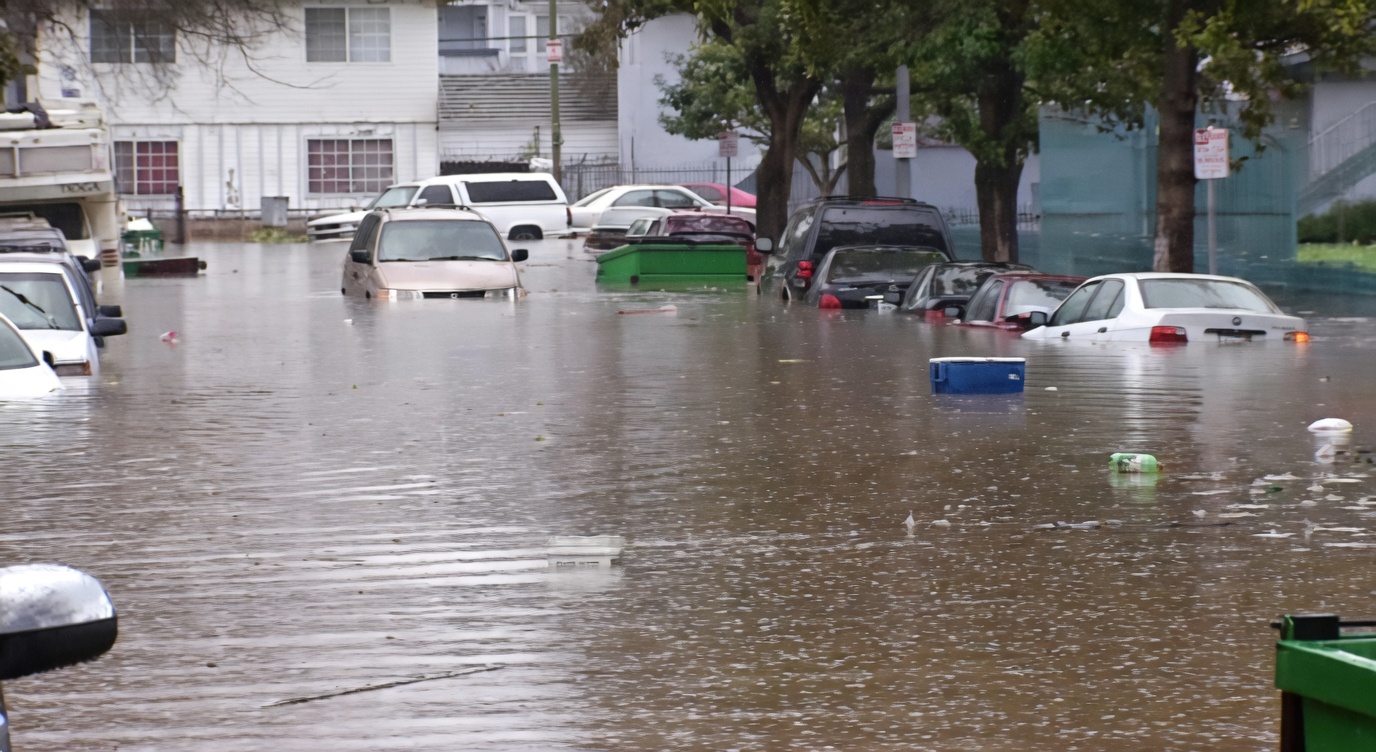
A pupil of Nnamdi Azikiwe University (UNIZIK) Primary School, Awka, Anambra State, Success Ezenwafor, has died after floodwaters swept away the school shuttle bus at the ring road area of the town.
Ezenwafor was among schoolchildren travelling in the bus when it was overtaken by floodwaters along the Awka-Nibo-Nise-Enugwu-Ukwu Ring Road in Awka South Local Government Area.
His body was reportedly recovered on Tuesday during a search operation following the incident.
Uche Nworah, former Managing Director of the Anambra Broadcasting Service (ABS), disclosed the development in a Facebook post on Wednesday.
Nworah said the recovery of the pupil’s body was confirmed by Chinedu Okafor, Mayor of Awka South Local Government Area, who was involved in the rescue operation.
“The body of the missing child, Success Ezenwafor, has been recovered. The other children are in stable condition and receiving medical treatment at the hospital. I am at Amaku Teaching Hospital at the moment,” Okafor was quoted as saying.
According to Nworah, Ezenwafor’s parents reported him missing on Tuesday shortly after the heavy rainfall and flooding in the area.
Two other children from the Ezenwafor family were also reportedly in the vehicle but were rescued.
A family member told Nworah that the pupil helped create an escape route for some of the children trapped inside the vehicle before he was swept away by the floodwaters.
The family member said Ezenwafor broke one of the vehicle’s windows, enabling some of the other children to escape.
“According to him, Success broke one of the vehicle’s windows, creating an escape route through which others were able to get out. Sadly, he could not make it to safety himself,” Nworah reported.
The circumstances surrounding the incident have brought renewed attention to the risks posed by flooding along roads and other areas of Awka following heavy rainfall.
The incident also left Ezenwafor’s family mourning the loss of the child, who had reportedly left home for school earlier that day.
Nworah said the boy’s father recalled his final moments with his son before he left for school on Tuesday.
According to the account, Ezenwafor kissed his father on both cheeks, said goodbye and boarded the school shuttle.
“He tragically never returned home,” Nworah said.
The other children involved in the incident were rescued and taken to Amaku Teaching Hospital for medical attention, according to the account.
The death of the young pupil has cast a shadow over what began as an ordinary school day, with the reported actions of Ezenwafor during the emergency becoming part of the family’s account of the tragedy.
Authorities and residents involved in the rescue operation continued efforts to assist those affected by the flooding and provide medical attention to survivors.
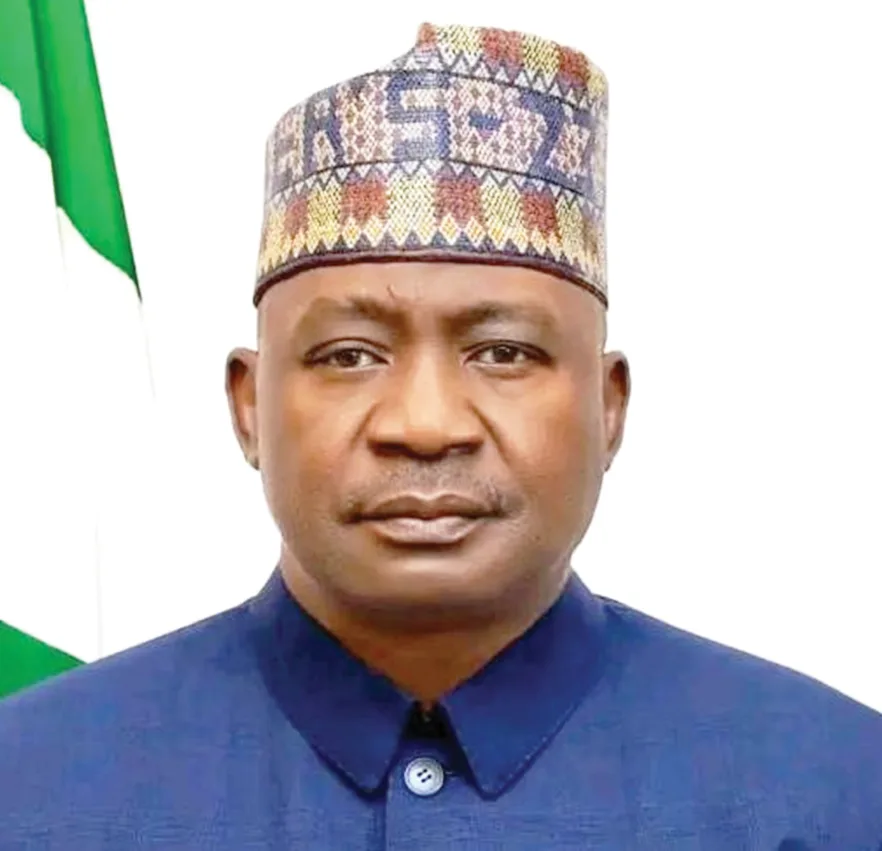
Nigeria’s Minister of Defence, retired General Christopher Musa, has said every Nigerian should undergo military training to gain a better understanding of the hardship, discipline and sacrifices involved in protecting the country.
Musa made the remarks while speaking on the African Leadership Podcast with Ken Giami, where he discussed the demands of military service and the challenges faced by personnel deployed to secure the country.
According to the minister, military training would expose Nigerians to the physical and mental demands of service, including hunger, exhaustion, long periods without sleep and the need to continue working despite extreme fatigue.
“Every Nigerian should be able to go through military training. It will give you a different perspective about life. You will now understand what it means to stay hungry and what it means to work in days without sleep,” Musa said.
He added that such experience would help citizens understand the endurance required of soldiers operating in difficult conditions.
“It will show you what endurance means when you walk kilometres and you are tired but you still need to keep on going.
“You have not eaten; you have not taken one because of the nature of the thing and because you are doing it to protect,” he said.
Musa linked the experience of military personnel to the sacrifice involved in protecting the lives and property of other citizens.
“And that’s exactly what the military men are doing, putting their lives at stake for their country to move around,” he said.
The Defence Minister also appealed to Nigerians to have greater appreciation for soldiers, noting that military personnel are members of families who leave their loved ones behind while serving in difficult environments.
He said criticism of the military should take into account the conditions under which troops operate and the sacrifices they make to keep the country secure.
“Everybody wants peace, and that is important, so we want them to understand soldiers are fathers, brothers and sisters of people.
“They’ve families they’ve left behind, staying in the weather, rain, dust, night or day, staying there to ensure the country is secured,” Musa said.
The minister’s comments come amid Nigeria’s continuing security challenges, including terrorism, banditry and kidnapping.
He also discussed broader counter-insurgency efforts during the podcast, including the need for stronger domestic capacity to produce military equipment.
Musa further attributed increased infiltration along some of Nigeria’s borders to developments involving Niger, Burkina Faso and Mali, which withdrew from the Economic Community of West African States (ECOWAS).
He said Nigeria was also strengthening bilateral security relationships with neighbouring countries, including Cameroon, as part of efforts to secure the country’s southern borders.
-
 Health & Wellness1 year ago
President Tinubu Directs Cut in Dialysis Cost from ₦50,000 to ₦12,000
-
 News1 year ago
PICTURE: In Lagos Couple Sentenced to 22½ Years for Cannabis Trafficking
-
 Business6 months ago
Dangote Refinery Reduces Petrol Gantry Price To ₦1,200 Per Litre
-
 Business2 years ago
Heritage Bank Customers’ Path to Securing ₦5m Insured Funds: A Step-By-Step Guide by NDIC”
-
 International News6 months ago
Indian Police Arrest Nigerian Over ₦290m Drug Haul
-
 Trending News1 year ago
NELFUND Disburses ₦86bn To 449,000 Beneficiaries
-

 Business6 months ago
After Plea Bargain, Court Discharges Stella Oduah of ₦2.5bn Fraud
-
Business2 years ago
Dangote; We Did Not Fix ₦600/Litre Petrol Price