
Opinion
Hardship in Nigeria: A Comprehensive Overview

Nigeria, Africa’s most populous country, has been grappling with significant socioeconomic challenges that affect a broad spectrum of its citizens. The hardships stem from multiple factors, including economic instability, high unemployment rates, inflation, corruption, and inadequate infrastructure. These issues have created a cycle of poverty and frustration among the populace.
Key Issues Contributing to Hardship
Economic Instability:
Inflation: Nigeria has been experiencing persistent inflation, leading to a sharp increase in the cost of living. Essentials like food, fuel, and healthcare have become more expensive, straining household budgets.
Currency Devaluation: The Nigerian Naira has weakened against major foreign currencies, making imports more costly and increasing the burden on consumers.
High Unemployment Rates: With a large youth population, the lack of job opportunities is a critical issue. Many young Nigerians are either unemployed or underemployed, leading to widespread frustration and a sense of hopelessness.
Insecurity:
Terrorism and Insurgency: Regions like the Northeast have been plagued by Boko Haram insurgency, leading to loss of lives, displacement, and economic disruption.
Banditry and Kidnappings: Other parts of the country, particularly in the Northwest and Southeast, face challenges from bandits and kidnappers, which has further destabilized communities and discouraged investment.
Corruption:
Mismanagement of Resources: Corruption at various levels of government has led to the misallocation and embezzlement of public funds, hindering development projects and essential services.
Lack of Transparency and Accountability: The absence of effective checks and balances has allowed corrupt practices to flourish, exacerbating economic inequalities.
Infrastructure Deficit:
Poor Roads and Transportation: Inadequate road networks and poor transportation infrastructure have hampered economic activities and increased the cost of doing business.
Electricity Shortages: Persistent power outages and an unreliable electricity supply have stifled industrial growth and increased operational costs for businesses.
Health and Education: The healthcare system is underfunded and overwhelmed, while the education sector suffers from poor funding, inadequate facilities, and low-quality teaching.
Social Inequality:
Wealth Disparity: A significant gap exists between the wealthy and the poor, with a small elite controlling much of the country’s resources while a large portion of the population lives in poverty.
Gender Inequality: Women in Nigeria often face systemic barriers in accessing education, healthcare, and economic opportunities, contributing to broader social inequalities.
Way Out: Potential Solutions
Economic Reforms:
Diversification: Nigeria’s economy is heavily reliant on oil. Diversifying into agriculture, manufacturing, and technology can create jobs and reduce vulnerability to global oil price fluctuations.
Support for SMEs: Small and medium-sized enterprises (SMEs) are the backbone of any economy. Providing access to finance, reducing regulatory burdens, and offering technical support can help these businesses thrive.
Monetary Policies: Implementing policies that stabilize the currency and control inflation is crucial to restoring purchasing power and economic stability.
Improving Security
Strengthening Security Forces: Investing in training, equipment, and intelligence for the police and military can help combat terrorism, banditry, and kidnappings more effectively.
Community Policing: Engaging local communities in security efforts can improve trust and cooperation, leading to better crime prevention and resolution.
Fighting Corruption:
Institutional Reforms: Strengthening institutions like the judiciary, anti-corruption agencies, and law enforcement can enhance transparency and accountability.
Public Awareness and Engagement: Educating the public about the impact of corruption and encouraging citizen participation in governance can help hold leaders accountable.
Infrastructure Development
Public-Private Partnerships (PPP): Collaborating with the private sector to fund and manage infrastructure projects can accelerate development in areas like transportation, energy, and telecommunications.
Renewable Energy Investment: Investing in solar, wind, and hydroelectric power can help address the electricity deficit and reduce reliance on fossil fuels.
Social Welfare Programs
Education and Skill Development: Expanding access to quality education and vocational training can empower the youth and reduce unemployment.
Healthcare Access: Improving healthcare infrastructure, particularly in rural areas, and implementing universal health coverage can enhance the quality of life.
Poverty Alleviation Programs: Direct cash transfers, food security programs, and affordable housing initiatives can provide immediate relief to those most affected by poverty.
Promoting Social Equity
Gender Equality Initiatives: Ensuring equal access to education, healthcare, and economic opportunities for women can foster a more inclusive society.
Reducing Wealth Disparity: Progressive taxation, social safety nets, and fair wage policies can help bridge the gap between the rich and the poor.
Conclusion
Addressing the hardships in Nigeria requires a multi-faceted approach that involves economic reform, infrastructure development, security enhancement, anti-corruption measures, and social welfare programs. While these challenges are significant, with concerted efforts from the government, private sector, and civil society, Nigeria can create a more stable and prosperous future for its citizens.
FALEYE OLUWATOSIN SIMON
JOURNALIST FROM LAGOS



I have watched, with deep concern, how the lines between journalism and broadcasting are being carelessly blurred in Ibadan. As someone who has devoted years to the practice of investigative journalism, I cannot stay silent while many On-Air Personalities (OAPs) parade themselves as journalists simply because they hold a microphone or sit in a studio.
Let me state it plainly: a journalist is trained to gather, verify, analyse, and report facts. My work as a journalist begins long before I speak into a microphone. It takes research, interviews, documents, and a constant weighing of truth against falsehood. That is what journalism is – service to the public through truth.
A broadcaster, on the other hand, is a presenter. He or she may read news, play music, anchor programs, or entertain listeners. Broadcasting is about delivery. Journalism is about content. Both are important, but they are not the same.
The problem in Ibadan today is that many presenters who specialise in banter, slang, and social media virality now call themselves “journalists.” They are not. I say this with all sense of responsibility: if you have not gone through the rigours of news gathering, fact-checking, and ethical reporting, then you are not a journalist. You are a broadcaster, and there is dignity in that role.
What worries me most is the damage this confusion causes. When broadcasters misrepresent themselves as journalists, the public begins to doubt the credibility of real journalism. Sensationalism takes the place of facts. Noise replaces truth. And the noble profession I belong to is dragged into ridicule.
I am not against broadcasters. I work with them daily, and I respect their craft. But they must respect mine too. A journalist digs out the story; a broadcaster delivers it. Neither should wear the other’s title without merit.
If Ibadan wants to retain its reputation as Nigeria’s media hub, it must correct this error. Broadcasters should embrace their role proudly, and those who desire to be journalists must get the training and discipline the profession demands.
I owe it to my profession – and to the public that depends on it – to keep saying this: a broadcaster is not automatically a journalist. The earlier Ibadan’s media practitioners accept this truth, the better for us all.
Cover Stories
“Melody Hymns with Sean Polotee” Returns, Rekindling Sunday Mornings with Soulful Inspiration

In a welcome return to the airwaves, “Melody Hymns with Sean Polotee” is back on Melody 107.7 FM, set to grace Sunday mornings once again from 9:00 AM to 10:00 AM. The show, known for its soul-stirring hymns and uplifting content, is hosted by Sean Polotee, a seasoned broadcast journalist, poet, and media personality.
Renowned for his charismatic on-air presence and deep connection with listeners, Polotee brings nearly two decades of media experience to the program. He is also the recently appointed Special Adviser on Media and Communications to the National Coalition of Apostles, Bishops, Archbishops, and Cardinals (NCABAC) — a role that further highlights his commitment to using media as a force for positive change.
“Melody Hymns” blends carefully curated gospel music with personal reflections and conversations that spark hope, resilience, and faith. Polotee frequently engages guests from various walks of life, offering listeners stories that resonate far beyond the studio walls.
Drawing on his background as a poet and storyteller, Polotee’s style is warm, engaging, and deeply human. His previous hosting credits include popular radio shows like “Maagbon” on Miliki 101.3 FM and the award-winning “Deflower Your Mind” on Jordan 105.5 FM — programs that showcased his ability to connect meaningfully with audiences.
Listeners can expect more than just music — “Melody Hymns” is a celebration of community, faith, and shared experience. It invites audiences to participate by sharing personal testimonies, song requests, and reflections, reinforcing the show’s mission to uplift and unite.
Whether you’re seeking peace, encouragement, or simply a beautiful start to your Sunday, “Melody Hymns with Sean Polotee” offers a refreshing hour of inspiration.
Tune in to Melody 107.7 FM every Sunday at 9:00 AM.
News
Ogbeni Rauf Aregbesola; A Political Titan Whose Relevance Transcends Party Lines – by Adio Abiodun
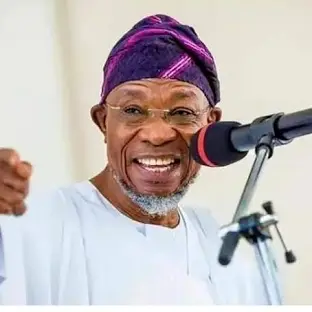
In the ever-evolving theatre of Nigerian politics, it is rare to find a figure whose presence, long after leaving office, continues to shape discourse, influence outcomes, and unsettle opponents. Such is the story of Engr. Rauf Adesoji Aregbesola, popularly called Ogbeni, whose recent appointment as the National Secretary of the African Democratic Congress (ADC), Nigeria’s newly rising opposition platform, has again jolted political structures, particularly within his former party, the All Progressives Congress (APC).
For many, Aregbesola’s reemergence in a new partisan home should have been a moment for sober reflection on his enduring relevance, capacity, and value. Instead, what we have witnessed is an uncoordinated, if not laughable, barrage of attacks and verbal potshots from a few politically naive individuals, most of whom are long-standing rivals within the Osun APC, individuals who, despite their years of scheming, have failed to erase Ogbeni’s towering legacy in the state and beyond.
To understand the roots of this resentment, one must journey back to the formative years of Aregbesola’s political life. From his youthful days as an activist and organiser during the pro-democracy struggles of the 1990s, Ogbeni has always been driven by ideological clarity and revolutionary commitment to the people. He was never the kind of politician who sought office for its trappings; rather, he wielded power as a tool for societal transformation.
His association with Asiwaju Bola Ahmed Tinubu in Lagos became the defining point of his emergence as a political strategist of immense depth. As Commissioner for Works and Infrastructure in Lagos State from 1999 to 2007, Aregbesola helped entrench a new governance model that many states later tried to emulate. His strategic input was critical to the survival of opposition politics in Lagos and other parts of the Southwest, especially during the years when the Peoples Democratic Party (PDP) threatened to overrun the region.
But it was his electoral triumph in Osun State in 2010, following a titanic legal battle, that cemented his status as a political lion. For eight years, Aregbesola redefined governance in Osun, focusing on infrastructure, education, social protection, and youth development. His policies were bold, at times controversial, but undeniably impactful. Even after he left office in 2018, his presence has continued to loom large, which understandably unsettles some within the Osun APC establishment, who have since struggled to fill the vacuum he left behind.
Their discomfort with Aregbesola’s sustained popularity is the real reason for the recent attacks on his person. They fear what his mobilization strength could mean in the lead-up to 2027, particularly now that he is realigning through the ADC, a platform increasingly being seen as the nucleus of a credible third force in Nigerian politics.
His critics, mostly lacking in historical perspective and real grassroots engagement, have failed to acknowledge the fact that Aregbesola’s contributions to the APC’s evolution were not just significant, they were foundational. In Lagos, he helped build the structures that won elections even in the face of federal hostility. In Osun, he delivered two electoral cycles and helped mobilize the Southwest for the APC in the 2015 and 2019 general elections. Across Nigeria, his role as a political tactician was always in demand.
That the APC has now become a party in desperate need of ideological reawakening, internal cohesion, and mass trust, is in part due to the marginalization of men like Aregbesola, men who built, bled, and sacrificed for the party when it was unpopular to do so.
His new role in the ADC, far from being an act of political betrayal, is a reflection of the maturity of Nigeria’s democracy. It signals the possibility of alternative platforms gaining traction, especially when steered by individuals with credibility and experience. If anything, Aregbesola’s involvement in the ADC is bound to reshape alignments, particularly among disenchanted progressives within the APC who now seek a home more reflective of their ideals.
As Nigeria inches towards another defining electoral cycle in 2027, it is clear that Ogbeni remains a central factor in any serious political calculation. His reach, particularly among the youth and the working class, remains formidable. His political structure, developed over decades of activism, governance, and strategic engagement, is not one to be dismissed by opportunistic upstarts.
To dismiss Aregbesola is to misunderstand Nigerian politics. To try and undermine his legacy is to deny reality. For now, and for the foreseeable future, Ogbeni remains not just a man of history, but a man of destiny.
And that, perhaps, is what threatens his rivals the most.
-
 News3 years ago
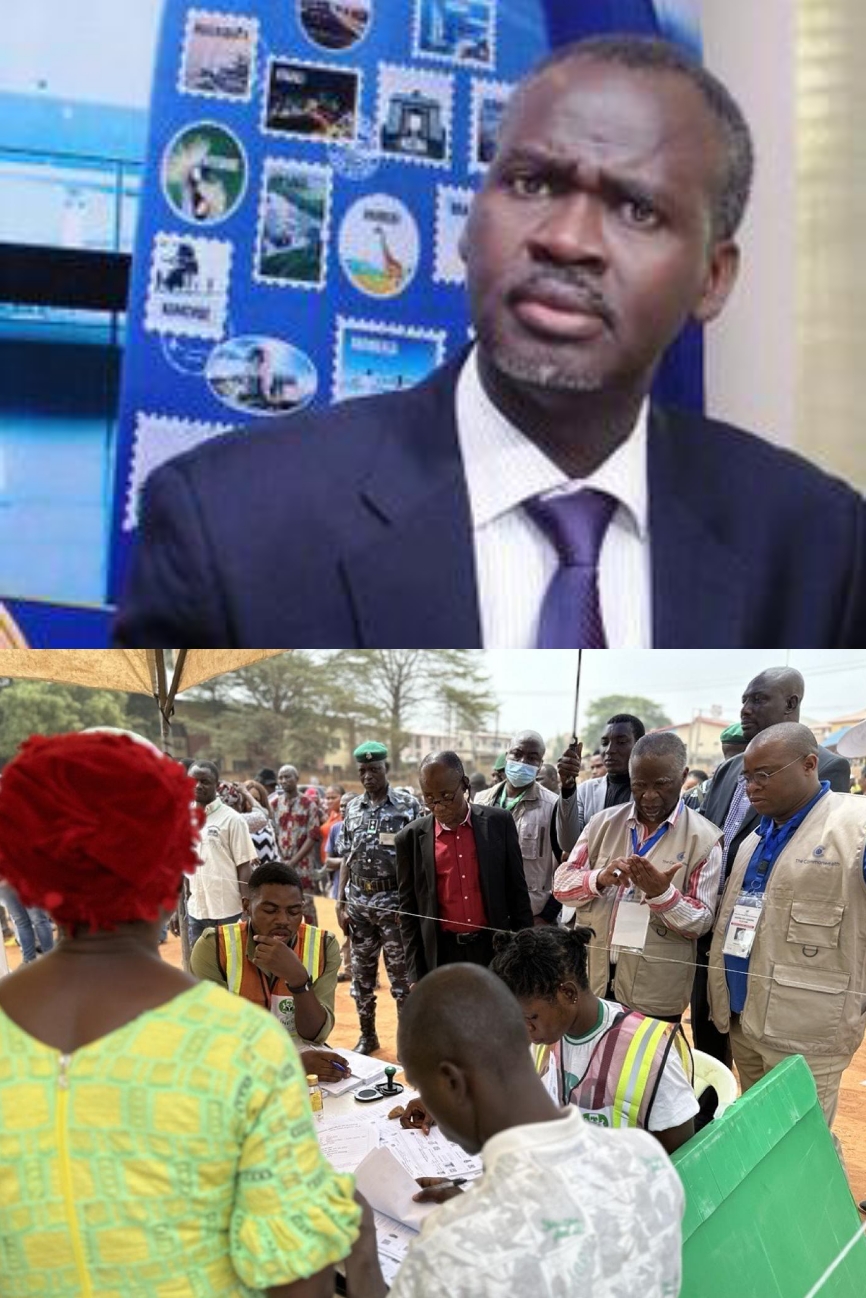
2023 Elections: Outgoing Rwandan High Commissioner say s Nigeria, ‘ handle their destiny’ in a peaceful way.
-
 News3 years ago
Just In: President Tinubu returns to Nigeria
-
 Entertainment3 years ago
Social media cloth Vendor Found Dead In Ibadan Hotel.
-
 News3 years ago
Ogun HoS Solicit Affordable Housing For Civil Servants
-
 Entertainment3 years ago
9mobile Ambassadors Begin “Meet And Greet” Session With Staffs, Customers.
-
Sports3 years ago
CAF SALUTES RIVERS UNITED AFTER SEALING QUARTER-FINAL TICKET.
-
 Trending News3 years ago
FG begins 40% pay rise for workers.
-
 Health & Wellness3 years ago
Breastfed babies have lower risks of diabetes – Nutritionist