
Opinion
Hardship in Nigeria: A Comprehensive Overview

Nigeria, Africa’s most populous country, has been grappling with significant socioeconomic challenges that affect a broad spectrum of its citizens. The hardships stem from multiple factors, including economic instability, high unemployment rates, inflation, corruption, and inadequate infrastructure. These issues have created a cycle of poverty and frustration among the populace.
Key Issues Contributing to Hardship
Economic Instability:
Inflation: Nigeria has been experiencing persistent inflation, leading to a sharp increase in the cost of living. Essentials like food, fuel, and healthcare have become more expensive, straining household budgets.
Currency Devaluation: The Nigerian Naira has weakened against major foreign currencies, making imports more costly and increasing the burden on consumers.
High Unemployment Rates: With a large youth population, the lack of job opportunities is a critical issue. Many young Nigerians are either unemployed or underemployed, leading to widespread frustration and a sense of hopelessness.
Insecurity:
Terrorism and Insurgency: Regions like the Northeast have been plagued by Boko Haram insurgency, leading to loss of lives, displacement, and economic disruption.
Banditry and Kidnappings: Other parts of the country, particularly in the Northwest and Southeast, face challenges from bandits and kidnappers, which has further destabilized communities and discouraged investment.
Corruption:
Mismanagement of Resources: Corruption at various levels of government has led to the misallocation and embezzlement of public funds, hindering development projects and essential services.
Lack of Transparency and Accountability: The absence of effective checks and balances has allowed corrupt practices to flourish, exacerbating economic inequalities.
Infrastructure Deficit:
Poor Roads and Transportation: Inadequate road networks and poor transportation infrastructure have hampered economic activities and increased the cost of doing business.
Electricity Shortages: Persistent power outages and an unreliable electricity supply have stifled industrial growth and increased operational costs for businesses.
Health and Education: The healthcare system is underfunded and overwhelmed, while the education sector suffers from poor funding, inadequate facilities, and low-quality teaching.
Social Inequality:
Wealth Disparity: A significant gap exists between the wealthy and the poor, with a small elite controlling much of the country’s resources while a large portion of the population lives in poverty.
Gender Inequality: Women in Nigeria often face systemic barriers in accessing education, healthcare, and economic opportunities, contributing to broader social inequalities.
Way Out: Potential Solutions
Economic Reforms:
Diversification: Nigeria’s economy is heavily reliant on oil. Diversifying into agriculture, manufacturing, and technology can create jobs and reduce vulnerability to global oil price fluctuations.
Support for SMEs: Small and medium-sized enterprises (SMEs) are the backbone of any economy. Providing access to finance, reducing regulatory burdens, and offering technical support can help these businesses thrive.
Monetary Policies: Implementing policies that stabilize the currency and control inflation is crucial to restoring purchasing power and economic stability.
Improving Security
Strengthening Security Forces: Investing in training, equipment, and intelligence for the police and military can help combat terrorism, banditry, and kidnappings more effectively.
Community Policing: Engaging local communities in security efforts can improve trust and cooperation, leading to better crime prevention and resolution.
Fighting Corruption:
Institutional Reforms: Strengthening institutions like the judiciary, anti-corruption agencies, and law enforcement can enhance transparency and accountability.
Public Awareness and Engagement: Educating the public about the impact of corruption and encouraging citizen participation in governance can help hold leaders accountable.
Infrastructure Development
Public-Private Partnerships (PPP): Collaborating with the private sector to fund and manage infrastructure projects can accelerate development in areas like transportation, energy, and telecommunications.
Renewable Energy Investment: Investing in solar, wind, and hydroelectric power can help address the electricity deficit and reduce reliance on fossil fuels.
Social Welfare Programs
Education and Skill Development: Expanding access to quality education and vocational training can empower the youth and reduce unemployment.
Healthcare Access: Improving healthcare infrastructure, particularly in rural areas, and implementing universal health coverage can enhance the quality of life.
Poverty Alleviation Programs: Direct cash transfers, food security programs, and affordable housing initiatives can provide immediate relief to those most affected by poverty.
Promoting Social Equity
Gender Equality Initiatives: Ensuring equal access to education, healthcare, and economic opportunities for women can foster a more inclusive society.
Reducing Wealth Disparity: Progressive taxation, social safety nets, and fair wage policies can help bridge the gap between the rich and the poor.
Conclusion
Addressing the hardships in Nigeria requires a multi-faceted approach that involves economic reform, infrastructure development, security enhancement, anti-corruption measures, and social welfare programs. While these challenges are significant, with concerted efforts from the government, private sector, and civil society, Nigeria can create a more stable and prosperous future for its citizens.
FALEYE OLUWATOSIN SIMON
JOURNALIST FROM LAGOS



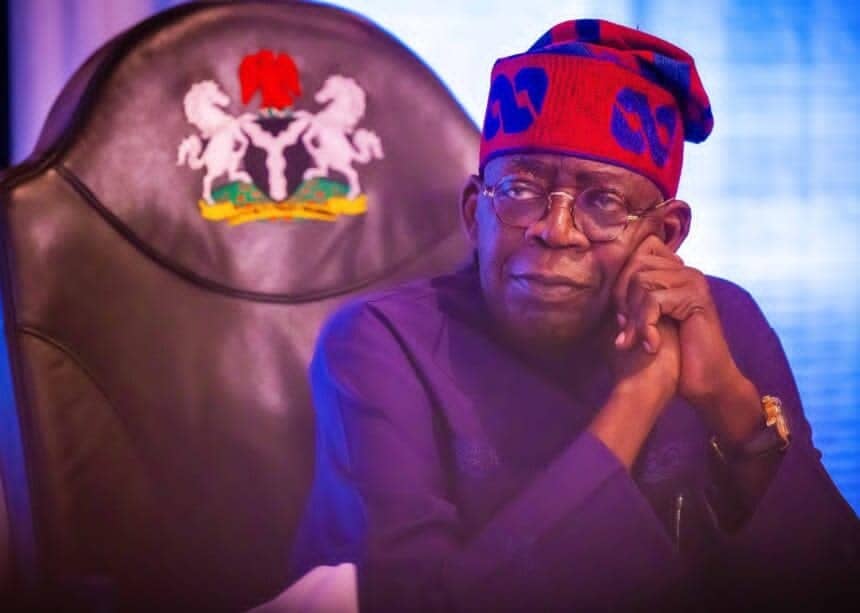
Tuesday, 21st July, 2026. Abuja. On Thursday, 9th July, 2026, the PBAT Door-to-Door Movement, a grassroots political platform for mobilising voters for the re-election of the President and Commander-in-Chief of the Federal Republic of Nigeria, Senator Bola Ahmed Tinubu, GCFR, inaugurated its national leaders.
The ceremony at the Events Centre of the Transcorp Hilton in Abuja, attracted attendants from the low, high, mighty and very important personalities, and successfully projected the president’s re-election campaign as a mission majority of citizens are committed to actualise, contrary to erroneous opposition claims.
As a sign of approval, heaven opened its firmament for showers of blessings very early in the morning and, again, in the afternoon with torrential rains and thunderstorms that left flash floods on roads. Yet, the inclement weather did not stop supporters of the president from the All Progressives Congress (APC) and other political parties from converging at the Transcorp Hilton.
Addressing members of the movement, President of the Senate of the Federal Republic, Chief Godswill Akpabio, GCON, who represented President Tinubu, charged supporters of the president to knock on every door, respectfully, and canvass for votes to re-elect him for a constitutional second term.
“Knock on every door with respect. When they open, listen before you explain. Convince them with facts,” Akpabio stated.
Echoing the advice of the National Assembly leader, the National Chairman of the APC, Professor Nentawe Goshwe Yilwatda urged the movement to by-pass no door as they canvass for votes for the party’s national leader, Tinubu.
“Your assignment is simple. Knock on every door. Move from house to house. Elections are not won on television or social media. They are won in marketplaces and in villages. 2027 is a choice between moving forward and moving backward. A choice between reform and retreat.
“Every door you knock on will become a vote and every heart you win will become a voice that will echo the Renewed Hope Agenda of our party,” Yilwatda stimulated the movement.
The PBAT Door-to-Door Movement was founded by the rights activist, High Chief (Dr.) Government Oweizide Ekpemupolo, alias Tompolo, who also nurtures the movement as its Grand Patron.
A detribalised Nigerian from Gbaramatu Community in Ijaw Land, Warri South West Local Government Area of Delta State, Tompolo is the founder and chairman of Tantita Security Services Nigeria Limited (TSSNL), a leading Nigerian indigenous security firm protecting and securing Nigeria’s oil and gas facilities, to whose patriotism Nigeria owes a big gratitude for the huge revenues currently deriving from a higher crude oil production that stands at 1.8 million barrels per day, today.
Explaining how Tinubu’s genuine love for Nigeria inspired the formation, Tompolo said, “Tinubu has done a lot for this country, the Federal Republic of Nigeria. The people are ready to support him to do more when properly enlightened and galvanised.
“The people are ready to reward his genuine and transparent love in 2027 and this movement is an affirmation of our appreciation and goodwill to ensure that President Bola Ahmed Tinubu, GCFR, gets votes from every home in Nigeria for his re-election and consequential prosperity of the nation.”
Fondly called the ‘General Officer Commanding’ (GOC) of the Niger Delta, Tompolo is a successful Niger Delta leader, who is highly respected by men and women of all walks of life, who are proven and successful in different fields of endeavours.
At the forefront of Tompolo’s men and women driven by altruism and patriotism, a force in the reckoning of the PBAT Door-to-Door Movement’s success, is the Administrator of …
Opinion
Inside Nigeria’s “Ghost Government”: How A Phantom Agency Allegedly Penetrated The Presidency And What They’re Not Saying
By: Faleye Oluwatosin Simon
In Abuja’s power corridors, there is a quiet rule everyone understands but rarely admits: not everything that operates within government is officially recognized, and not everything officially recognized is legitimate.
That is why the unfolding scandal around Prince Adeniyi Matthew is less shocking to insiders and more embarrassing to those now pretending it couldn’t have happened.
Because the real story is not that a man allegedly created a fake agency. The real story is how the system made room for him.
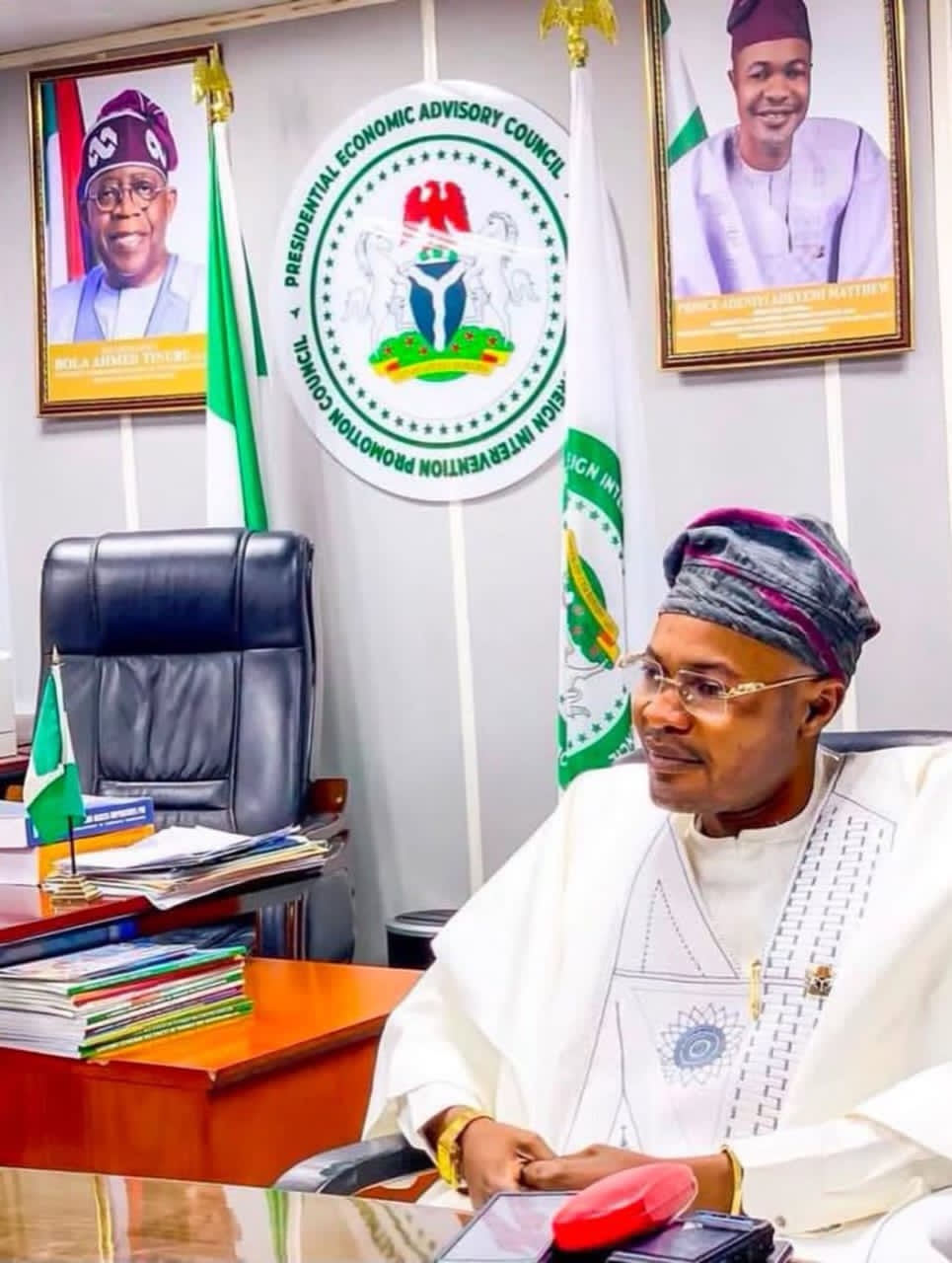
According to the presidency, Matthew allegedly forged documents and paraded himself as Director-General of a non-existent entity the Presidential Foreign Intervention Promotion Council. On paper, it sounds like a crude scam. But inside Abuja, this is where the narrative begins to fall apart.
Sources within the bureaucracy quietly admit that access at that level is never accidental.
You don’t just walk into the Federal Secretariat and secure office space without someone “clearing” you. You don’t operate a government-linked account without institutional touchpoints. You certainly don’t get a line item in the national budget ₦1.3 billion, no less without passing through layers of review, endorsements, and approvals.
So, who signed off?
That is the question the official statements are carefully avoiding.
Because what is being presented as a lone actor’s deception looks, to those familiar with the system, like something far more structured: a convergence of influence, silence, and complicity.
Inside sources suggest that what often passes for “verification” in government circles is little more than paperwork and perceived backing. Once a file carries the right stamps or appears to originate from the right office doors open. Questions disappear. And responsibility becomes everyone’s and no one’s at the same time.
It is a system where legitimacy is not always proven it is assumed.
And Matthew, allegedly, understood that better than most.
The speed and depth of his access raise uncomfortable realities. Meetings with ministers. Engagements with ambassadors. Strategic sessions that should have triggered background checks at multiple levels. Yet nothing happened.
Not because no one noticed but because no one wanted to be the one to ask.
In Abuja, questioning authority is often seen as career suicide. Delaying a “presidential initiative” can end postings. Challenging a figure who appears connected can isolate you within the system.
So people comply. Files move. Meetings hold.
And the illusion becomes real.
Even more telling is how the situation reportedly unravelled not through internal safeguards but through external friction. It was the Nigerian Investment Promotion Commission raising concerns about overlapping mandates that forced attention onto the so-called agency.
In other words, the system didn’t catch the anomaly. It tripped over it.
Then comes the most explosive layer Matthew’s own allegations.
His claims that senior figures demanded billions from the agency’s take-off funds and facilitated his appointment for hundreds of millions of naira may be dismissed officially. But within insider circles, such allegations are not treated as outrageous they are treated as familiar.
Because the uncomfortable truth is this: the structure he allegedly exploited is the same structure many operate within just with more discretion.
This is where the Presidency’s narrative begins to look less like a full explanation and more like damage control.
Framing this as a simple case of forgery isolates the problem. It suggests the system worked that a bad actor slipped through but was eventually caught.
But the timeline tells a different story.
This was not a breach. It was prolonged access.
This was not deception at the gates. It was acceptance at the table.
And until there is transparency around who approved what, who endorsed whom, and who looked the other way, the official version will remain incomplete.
Here is the question insiders are already asking:
Was this man truly operating alone or did he simply become the most visible face of a system that routinely blurs the line between formal authority and informal power?
Nigeria does not just have a problem with fraud.
It has a parallel governance problem where influence can manufacture legitimacy, and legitimacy can be rented long enough to become reality.
Until that shadow system is confronted, exposed, and dismantled, this will not be the last “ghost agency.”
It will simply be the one that got caught.
By: Faleye Oluwatosin Simon
News
The Abiodun Effect: Infrastructure, Industry and Ogun’s Economic Transformation By Kayode Akinmade
How Strategic Investments, Fiscal Reforms, Industrial Expansion and Bold Infrastructure Projects Propelled Ogun State to Become Nigeria’s Second Best-Performing State and One of the Nation’s Fastest-Growing Economies
When the 2025 State Performance Index (pSPI), released by Phillips Consulting, ranked Ogun State second only to Lagos among Nigeria’s 36 states and the Federal Capital Territory, it validated what years of strategic investments in infrastructure, industrialisation, logistics, and fiscal reforms had already signposted.
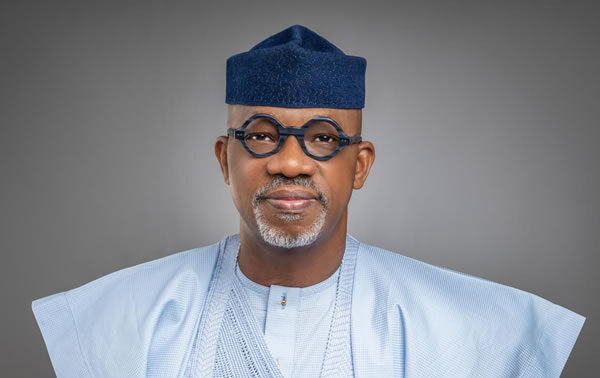
Since assuming office on May 29, 2019, Governor Dapo Abiodun has pursued a development agenda anchored on connectivity, economic expansion, and sustainable revenue growth. The result is a state increasingly regarded as one of Nigeria’s most competitive destinations for investment and industrial activity.
Importantly, the pSPI is not a political award. The index combines 70 per cent objective performance data drawn from audited records covering fiscal management, infrastructure, healthcare, education, and economic output, with 30 per cent citizen perception surveys. Ogun’s emergence as the nation’s second-best performing state reflects measurable outcomes rather than political sentiment.
## Economic Growth Backed by Data
Any assessment of Ogun State’s transformation begins with the numbers.
When Governor Abiodun took office in 2019, the state’s Gross Domestic Product (GDP) stood at approximately ₦2.9 trillion. By 2024, it had risen to ₦7.3 trillion, while projections based on expanding industrial productivity place the figure closer to ₦17 trillion.
Internally Generated Revenue (IGR) has followed a similar trajectory. From about ₦50.6 billion in 2020, IGR rose to ₦100.7 billion in 2021, climbed to ₦146 billion in 2023, and reached nearly ₦192 billion in 2024. The state is targeting ₦250 billion in 2025 and ₦500 billion by 2026.
The growth has been driven by tax digitisation, the elimination of multiple taxation, improved compliance, and the expansion of industrial activities across the state.
Reflecting its growing economic capacity, Ogun’s 2025 Budget of Hope and Prosperity stood at ₦1.054 trillion, with over ₦600 billion dedicated to capital projects. Infrastructure, education, and healthcare received the largest allocations, reinforcing the administration’s emphasis on long-term development.
## Building Prosperity Through Roads
One of the most visible achievements of the Abiodun administration has been its extensive investment in road infrastructure.
More than 1,700 kilometres of roads have been constructed or rehabilitated across the state since 2019. These projects include the reconstruction of the Abeokuta-Sagamu Expressway and intervention works on the Lagos-Ota-Abeokuta Expressway, one of Nigeria’s busiest commercial corridors.
After more than two decades of jurisdictional disputes stalled progress on the Lagos-Ota-Abeokuta road, the state government secured federal approval and commenced reconstruction in 2024.
Road projects have also been executed across industrial and agricultural corridors in Ifo, Sango-Ota, Idiroko, Remo, Yewa, and Ijebu areas, improving mobility, reducing logistics costs, and strengthening economic integration.
For the administration, roads are more than physical infrastructure; they are economic assets that facilitate trade, attract investment, and improve competitiveness.
## The ISEYA Development Framework
The administration’s governance philosophy is encapsulated in its ISEYA agenda—Infrastructure, Social Investment, Education, Youth Empowerment, and Agriculture.
Under this framework, infrastructure development has remained a priority, while investments in healthcare, education, housing, youth development, and agriculture have sought to ensure inclusive growth.
The revitalisation of primary healthcare centres, recruitment of teachers, rehabilitation of schools, support for small businesses, youth skills acquisition programmes, and agricultural interventions have all contributed to improvements in human capital development.
The strong citizen perception scores recorded in the pSPI suggest that residents are experiencing tangible benefits from these investments.
## Gateway Airport and Aviation Connectivity
A major milestone in the administration’s infrastructure drive was the completion of the Gateway International Agro-Cargo Airport.
The airport received its first commercial flight in February 2023, marking a historic moment for Ogun State. Strategically located to serve industrial clusters along the Lagos-Ogun corridor, the facility was designed to provide manufacturers and exporters with faster logistics options and strengthen the state’s export competitiveness.
The project has received commendation from prominent national figures, including former President Olusegun Obasanjo and former Vice President Yemi Osinbajo, both of whom described it as a significant economic asset.
Complementing the airport is the Gateway Airline initiative, aimed at improving regional connectivity and supporting business travel.
## Kajola and Mojoda Dry Ports: Redefining Logistics
Among the administration’s most transformative economic initiatives are the Kajola and Mojoda Dry Ports.
The Kajola Dry Port, located near the Lagos-Ibadan Railway corridor, was conceived as an inland cargo terminal that enables importers and exporters to process goods closer to their businesses rather than relying exclusively on congested seaports.
The facility is supported by the Kajola Specialised Railway Industrial Free Trade Zone, a partnership expected to unlock substantial industrial investment and employment opportunities.
In 2025, the Federal Government approved a second dry port in Mojoda, Ijebu-Ode. Situated on 130 hectares, the facility is expected to serve as a major cargo consolidation and distribution hub for the Southwest region.
Together, both projects position Ogun as a critical logistics gateway for Nigeria’s manufacturing and export sectors.
## Industrial Expansion Across the State
Ogun remains one of Nigeria’s foremost industrial destinations, with major companies operating within its borders.
The administration has prioritised the rehabilitation of key industrial corridors, particularly the Agbara-Atan-Lusada axis, which hosts numerous multinational firms.
Improved infrastructure within these industrial zones has enhanced operational efficiency and encouraged further investment.
Beyond Agbara, the state has expanded industrial development through initiatives such as the Remo Economic Industrial Cluster, a partnership with ARISE Integrated Industrial Platforms valued at approximately $400 million.
These efforts have ensured that industrial growth is spread across the state’s three senatorial districts.
## A Multimodal Transport Strategy
Governor Abiodun’s long-term vision extends beyond roads.
The administration is pursuing a multimodal transport strategy that integrates road, rail, air, and maritime infrastructure. Existing rail connections, the Gateway Airport, proposed port projects, and an extensive road network are being developed as interconnected assets designed to reduce transportation costs and improve supply chain efficiency.
This integrated approach strengthens Ogun’s position as a strategic logistics hub serving both Nigeria and the wider West African market.
## Creating an Investor-Friendly Environment
Infrastructure development has been matched by reforms aimed at improving the ease of doing business.
Through agencies such as OgunInvest and the Business Environment Council, the administration has streamlined investment processes, digitised tax administration, reduced bureaucratic bottlenecks, and actively engaged local and international investors.
The results have been significant. Ogun now hosts more than 6,000 registered industries and continues to attract substantial domestic and foreign investments across manufacturing, logistics, tourism, housing, and agro-processing.
The state’s growing reputation as a business-friendly destination has further strengthened its economic profile and revenue base.
## The Phillips Consulting Verdict
The 2025 State Performance Index evaluated states across key indicators, including fiscal management, infrastructure, healthcare, education, economic performance, and citizen satisfaction.
Ogun’s second-place ranking confirms that its development is the product of deliberate policy choices and sustained execution rather than geographical advantage alone.
The assessment also validates the administration’s ISEYA framework, demonstrating that strategic investments in infrastructure, human capital, and economic development can deliver measurable outcomes.
## A Model of Deliberate Development
The transformation of Ogun State under Governor Dapo Abiodun illustrates how governance can drive economic growth when policies are designed to complement one another.
Roads improved access to industrial hubs. Industrial growth expanded the tax base. Increased revenues funded additional infrastructure, while logistics projects strengthened the state’s attractiveness to investors.
From GDP growth and rising internally generated revenue to extensive road construction, aviation infrastructure, dry ports, industrial expansion, and national recognition through the pSPI ranking, Ogun State’s development trajectory reflects a deliberate effort to position the state as one of Nigeria’s leading economic centres.
As major projects near completion and new investments continue to flow in, the challenge ahead will be sustaining the momentum and consolidating the gains already achieved.
-
 Health & Wellness1 year ago
President Tinubu Directs Cut in Dialysis Cost from ₦50,000 to ₦12,000
-
News2 years ago
CBN Debunks Fake Circular on New ₦5,000 and ₦10,000 Notes
-

 International News6 months ago
Indian Police Arrest Nigerian Over ₦290m Drug Haul
-
 Business7 months ago
Dangote Refinery Reduces Petrol Gantry Price To ₦1,200 Per Litre
-
 Business7 months ago
After Plea Bargain, Court Discharges Stella Oduah of ₦2.5bn Fraud
-
Business2 years ago
Dangote; We Did Not Fix ₦600/Litre Petrol Price
-
 Trending News1 year ago
NELFUND Disburses ₦86bn To 449,000 Beneficiaries
-
 Opinion2 years ago
Championing the People’s Voice: Obasa’s Dedication to Grassroots Representation By Dave Agboola⁰