Britain voted Thursday in a general election widely expected to hand the opposition Labour party a landslide win and end nearly a decade-and-a-half of Conservative rule.



Britain voted Thursday in a general election widely expected to hand the opposition Labour party a landslide win and end nearly a decade-and-a-half of Conservative rule.
The first national ballot since Boris Johnson won the Tories a decisive victory in 2019 follows Prime Minister Rishi Sunak’s surprise call to hold it six months earlier than required.
His gamble looks set to backfire spectacularly, with polls throughout the six-week campaign — and for the last two years — pointing to a heavy defeat for his right-wing party.
Centre-left Labour is projected to win its first general election since 2005 by historic proportions, with a flurry of election-eve polls all forecasting its biggest-ever victory.
But Starmer was taking nothing for granted as he urged voters not to stay at home. “Britain’s future is on the ballot,” he said. “But change will only happen if you vote for it.”
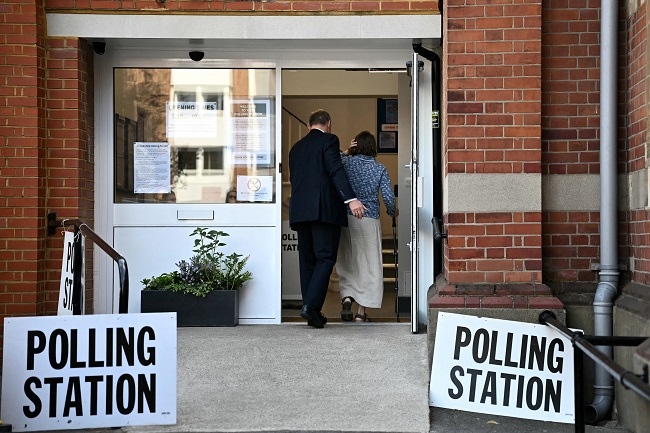
Voting began at 7:00 am (0600 GMT) in more than 40,000 polling stations across the country, from church halls, community centres and schools to more unusual venues such as pubs and even a ship.
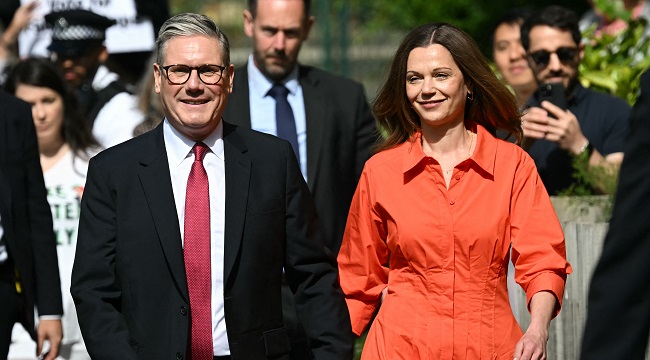
Sunak was among the early birds, casting his ballot at his Richmond and Northallerton constituency in Yorkshire, northern England. Starmer voted around two hours later in his north London seat.
“I just moved back from Australia and I’ve got the feeling that everything has turned wrong in this country and a lot of people are not satisfied,” said Ianthe Jacob, a 32-year-old writer, after voting in Hackney, east London.
In Saint Albans, north of London, 22-year-old student Judith told AFP: “I don’t really trust any of them but will vote. A lot of my friends feel the same.”
Voting closes at 10:00 pm (2100 GMT). Broadcasters then announce exit polls, which typically provide an accurate picture of how the main parties have performed.
Results from the UK’s 650 constituencies trickle in overnight, with the winning party expected to hit 326 seats — the threshold for a parliamentary majority — as dawn breaks Friday.
Polls suggest voters will punish the Tories after 14 years of often chaotic rule and could oust a string of government ministers, with talk that even Sunak himself might not be safe.
That would make him the first sitting prime minister not to retain his seat in a general election.
“I appreciate people have frustrations with our party,” he conceded on Wednesday. “But tomorrow’s vote… is a vote about the future.”

Sunak, 44, is widely seen as having run a dismal campaign, with anger over his decision to leave D-Day commemorations in France early the standout moment.
In new blows Wednesday, The Sun newspaper switched allegiance to Labour — a key endorsement given the tabloid has backed the winner at every election for several decades.
It follows the Financial Times, the Economist and The Sunday Times as well as traditionally left-leaning papers The Guardian and The Daily Mirror, also endorsing the party.
Meanwhile, three large-scale surveys indicated Labour was on the brink of a record victory, with the Tories set for their worst-ever result and the centrist Liberal Democrats resurgent in third.
YouGov, Focaldata and More in Common all projected Labour would secure at least 430 seats, topping the 418 under Tony Blair in 1997.
The Conservatives could plunge to a record low of less than 127, the trio predicted.
The Lib Dems were tipped to scoop dozens of seats — up from their current tally of 15 — while Nigel Farage’s anti-immigrant Reform UK party was set to win a handful.
YouGov and More in Common both forecast the Brexit figurehead would finally become an MP at the eighth time of asking.
If the predictions are accurate, Sunak will on Friday visit head of state King Charles III to tender his resignation as prime minister.
Starmer will meet the monarch shortly after to take up his invitation to head the next government — and become prime minister.
The Labour leader will then travel to Downing Street — the office and residence of British leaders — where he would be expected to deliver a speech before making ministerial appointments.
It would cap a remarkable political rise for the former human rights lawyer and chief prosecutor, first elected an MP in 2015.
He has promised a “decade of national renewal” but faces a daunting task revitalising creaking public services and a flatlining economy.
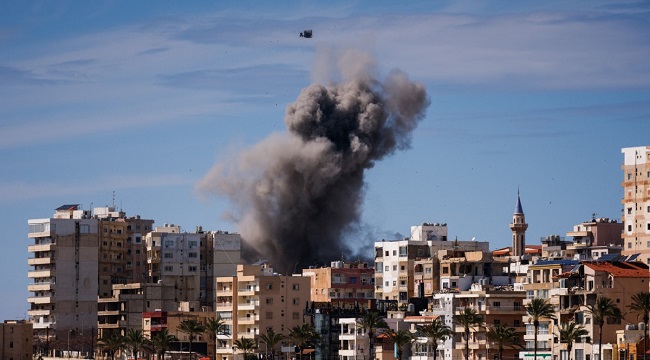
The Israeli military announced on Wednesday it had struck two naval cruise missile production facilities operating under Iran’s ministry of defence in Tehran.
“In recent days, the Israeli air force acting on IDF intelligence struck two key naval cruise missile production sites in Tehran,” the military said.
It said the facilities were used to “develop and manufacture long-range naval cruise missiles, which are capable of rapidly destroying targets at sea and on land”.
The strikes “represent another step in deepening the damage done to the regime’s military production infrastructure”, the military added.
Last week, the military announced its fighter jets had struck several Iranian naval ships in the Caspian Sea, including vessels equipped with anti-submarine missiles.
AFP
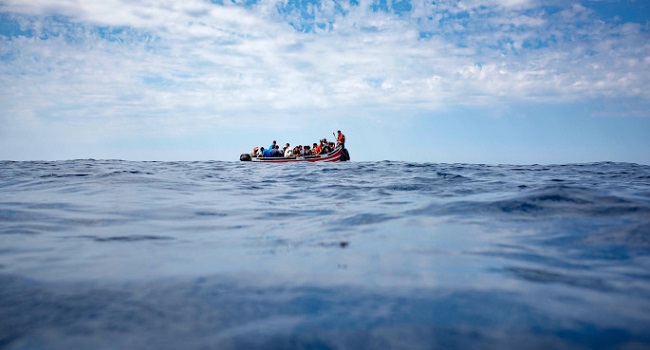
The number of migrants who died on the “Eastern Route” from the Horn of Africa to the Arabian Peninsula doubled to a record high of 922 last year, the UN migration agency said Wednesday.
Tens of thousands of migrants from Ethiopia, Somalia and neighbouring countries take the route across the Red Sea each year, mostly from Djibouti to Yemen, in search of work as labourers or domestic workers in wealthy Gulf countries.
“2025 was the deadliest year ever recorded on the Eastern migration route… with 922 people dead or missing — double the number from the previous year,” Tanja Pacifico, head of mission for the International Organisation for Migration (IOM) in Djibouti, told AFP.
The majority of victims were from Ethiopia, the second most-populous country in Africa with more than 130 million people. It is plagued by multiple internal conflicts and deep poverty.
“IOM remains fully committed to working alongside the government of Djibouti to promote safe and dignified migration pathways, in order to prevent further tragedies,” said Pacifico.
Many migrants who cross the Red Sea find themselves stuck in Yemen, the poorest country on the Arabian Peninsula, which has been embroiled in a civil war for nearly a decade, and some even choose to return.
Rapid economic growth in Ethiopia — estimated to reach around 10 percent in 2026 — could encourage less migration, IOM says, but that is mitigated by high inflation, also around 10 percent in February.
AFP
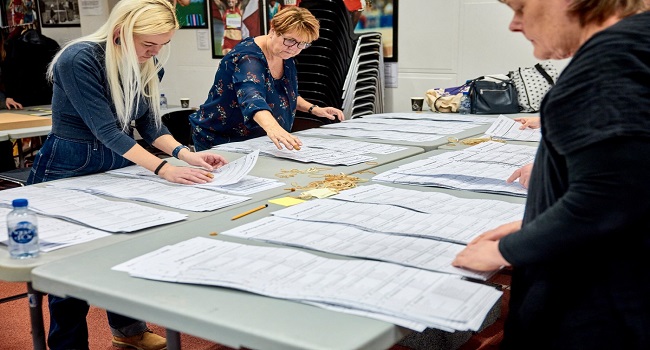
Denmark’s political parties began the thorny process of forming a government Wednesday, with the centrist Moderates as kingmaker after the prime minister’s Social Democrats scraped through a general election without a majority.
Danes were braced for a weeks-long process as Prime Minister Mette Frederiksen seeks to consolidate power in the deeply splintered parliament after Tuesday’s snap vote.

A left-wing bloc made up of five parties, including Frederiksen’s Social Democrats, won 84 seats; the right-wing and far-right claimed 77; and the Moderates won 14 in the election.
The Social Democrats posted their worst election score since 1903—though they remained Denmark’s largest single party, with 38 seats in the 179-seat parliament.
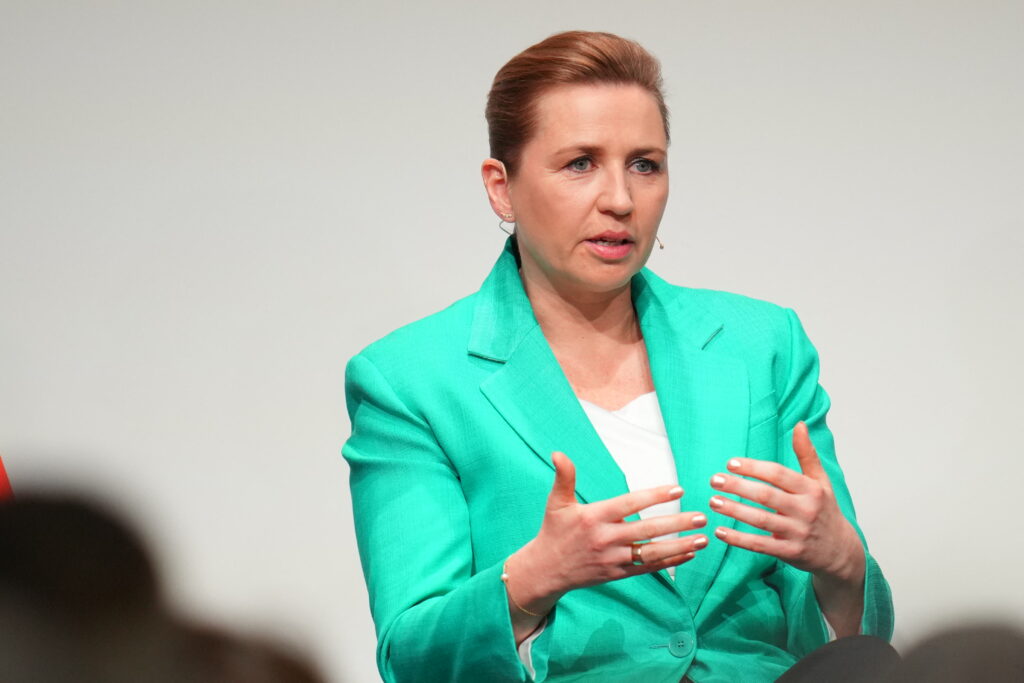
Frederiksen formally tendered her coalition government’s resignation to King Frederik on Wednesday, telling a televised party leader debate she wanted to try to form a centre-left government.
“The most realistic scenario” would be a coalition with the five parties on the left and the centre-right Moderates, she said.
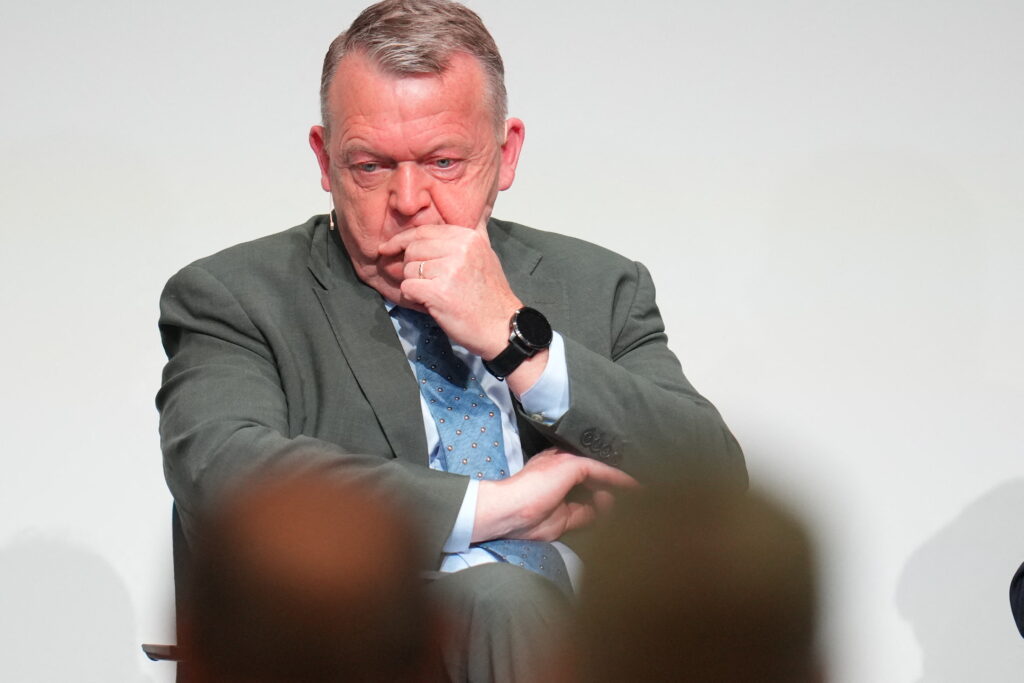
But it is not certain the Moderates, led by Foreign Minister Lars Lokke Rasmussen, would agree to that.
“I don’t believe that Denmark needs policies aligned with” the leftist Red-Green Alliance, Lokke said.
King Frederik was to meet party leaders individually later Wednesday to determine who should be asked to try to form the next government.
“My expectation is that Mette Frederiksen will become prime minister,” University of Copenhagen political science professor Rune Stubager told reporters.
“But I don’t know with the backing of which parties, like the left wing or the right wing,” he said.
He noted that Lokke, a two-time former prime minister, would likely vie for the position of prime minister, even though he has adamantly denied any interest in the job.
“Danes want me and not another prime minister. I still have the backing to be able to continue on behalf of the Danish people,” Frederiksen insisted during the debate.
Frederiksen has for the past four years headed an unprecedented left-right coalition made up of her Social Democrats, the Moderates and the Liberals.
The Liberals have refused to continue in a Social Democrat-led government.
Danes are now prepared for long negotiations. After the 2022 election, the talks lasted six weeks.
“It’s a long process, which means the government won’t be formed and it will be quite difficult to pass laws during this period,” lamented Jesper Dyrfjeld Christensen, a 54-year-old engineer.
“It’s really too hard to say who will be part of the coalition,” admitted Stubager.
With 12 parties in parliament, the political landscape is jagged — though Denmark is accustomed to minority governments.
“To some extent, this is the way Danish politics works. You have a minority government in the centre which forms a majority with the left on some issues and with the right on others,” he explained.
The negotiations are expected to focus on economic and pension issues, pollution and immigration, he said.
The traditional far-right party, the Danish People’s Party, which has heavily influenced policy since the late 1990s but slumped in the 2022 election, more than tripled its result to 9.1 per cent of votes.
The three anti-immigration groups together garnered 17 per cent, a stable figure for Denmark’s populist right over the past two decades.
“If negotiations take place in the left-wing bloc with the moderates, then there will be more focus on green issues than on immigration,” Stubager said.
“But if, instead, the Moderates negotiate with the parties on the right, then the central issue will be immigration.”
Four seats in Denmark’s parliament are held by its two autonomous territories — two for Greenland and two for the Faroe Islands.
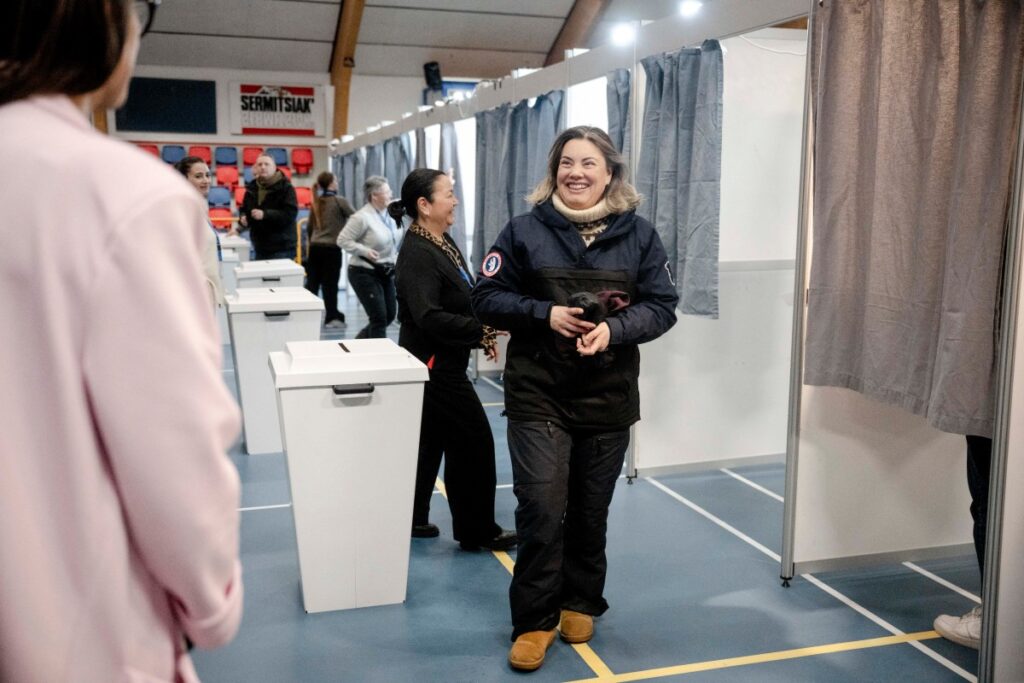
While the Faroese renewed the mandates of the two outgoing lawmakers, with one for each bloc, Greenland overwhelmingly backed the left-wing party and Naleraq, which advocates rapid independence from Denmark.
AFP

Just In: President Tinubu returns to Nigeria
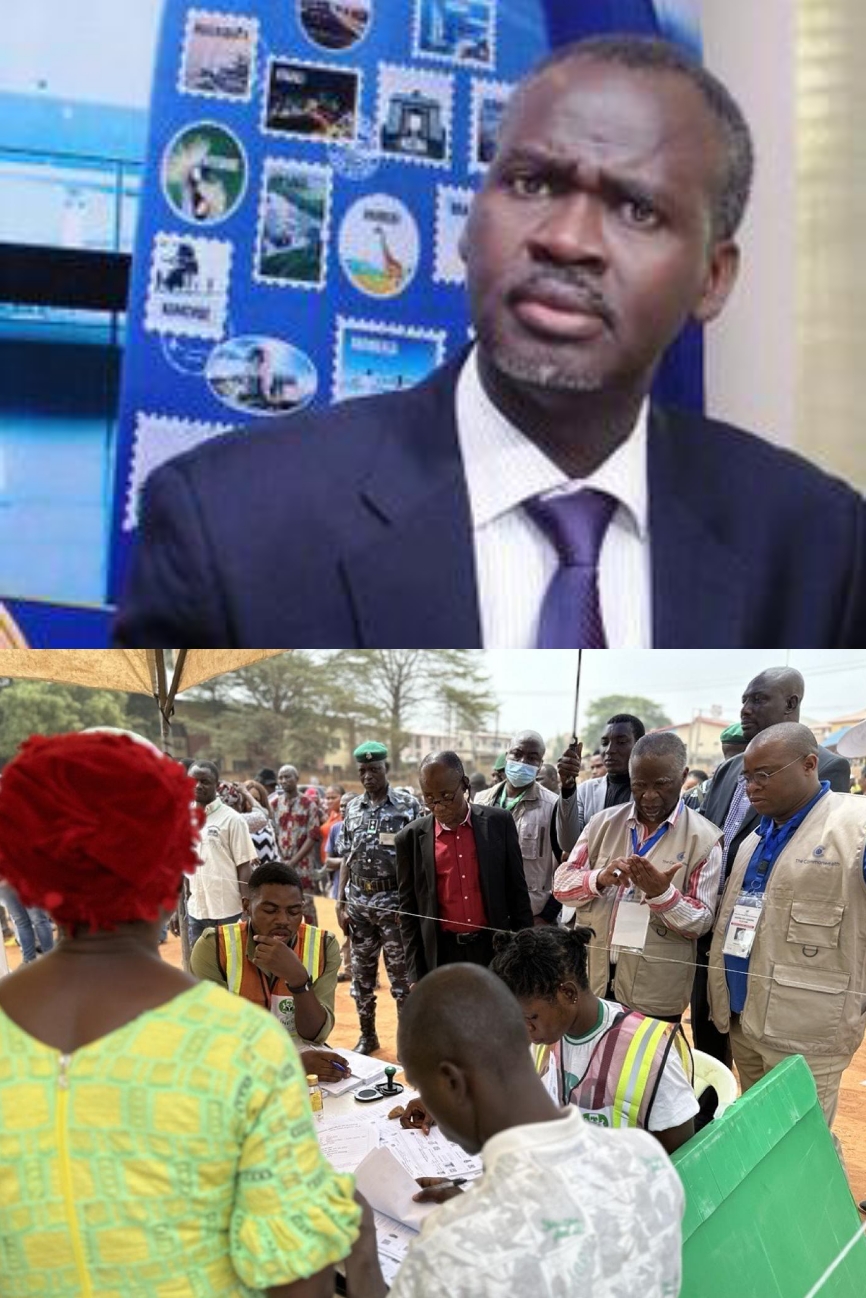
2023 Elections: Outgoing Rwandan High Commissioner say s Nigeria, ‘ handle their destiny’ in a peaceful way.

Social media cloth Vendor Found Dead In Ibadan Hotel.

Ogun HoS Solicit Affordable Housing For Civil Servants
CAF SALUTES RIVERS UNITED AFTER SEALING QUARTER-FINAL TICKET.

FG begins 40% pay rise for workers.

9mobile Ambassadors Begin “Meet And Greet” Session With Staffs, Customers.

Breastfed babies have lower risks of diabetes – Nutritionist