
News
Tinubu May Reinstate Fubara, Rivers Lawmakers in July

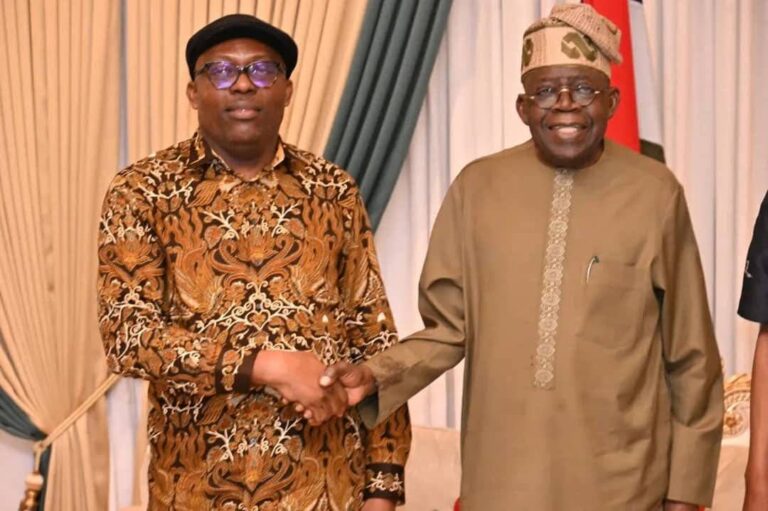
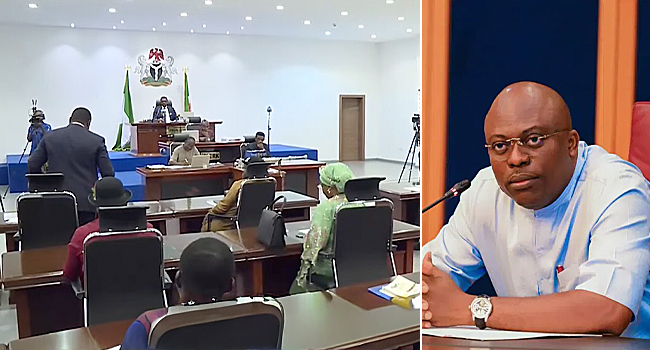
President Bola Tinubu is reportedly preparing to reinstate Rivers State Governor Siminalayi Fubara and members of the state House of Assembly later this month. The move follows a reconciliation between Fubara and his predecessor, Nyesom Wike, who currently serves as Minister of the Federal Capital Territory (FCT).
President Bola Tinubu is reportedly preparing to reinstate the suspended Governor of Rivers State, Siminalayi Fubara, and the Rivers State House of Assembly later this month, following the successful brokering of a truce between Fubara and his predecessor, current Minister of the Federal Capital Territory (FCT), Nyesom Wike.
Presidency sources said that Tinubu is considering Fubara’s return to office after a closed-door reconciliation meeting held Thursday night at the Presidential Villa in Abuja. The meeting was attended by both Fubara and Wike, alongside the suspended Speaker of the Rivers State House of Assembly, Martin Amaewhule, and several lawmakers.
The Rivers State political crisis escalated on March 18, 2025, when President Tinubu declared a state of emergency in the oil-rich state, suspending Governor Fubara, his deputy, and all members of the State House of Assembly for six months. In a national broadcast, Tinubu cited “disturbing security reports” detailing pipeline vandalism by militants, which he said the governor failed to address. He emphasized that he could not allow the “grave situation” to persist unchecked.
The roots of the crisis trace back to October 2023, when a power struggle erupted between Fubara and Wike—his political mentor turned rival—over control of Rivers State’s political structures. The dispute led to 27 pro-Wike lawmakers in the House of Assembly initiating impeachment proceedings against Fubara.
President Tinubu previously intervened in the conflict on October 31, 2023, through a peace meeting at the Presidential Villa. However, the agreement collapsed shortly afterward.
In early 2024, the Rivers State High Court in Port Harcourt issued an order that allowed four pro-Fubara lawmakers to conduct legislative activities without interference from the pro-Wike faction—further deepening the political divide.
With recent developments suggesting progress in reconciliation efforts, there is growing anticipation that Governor Fubara may soon return to office as part of a broader political settlement aimed at restoring stability in Rivers State.
The Rivers State political crisis was marked by a series of violent incidents, including the bombing of a section of the State House of Assembly complex on the eve of the attempted impeachment of Governor Siminalayi Fubara. Additionally, a dynamite explosion occurred near Hotel Presidential along Aba Road in Port Harcourt during a protest in support of former governor and current FCT Minister, Nyesom Wike. During the disputed Local Government Area (LGA) elections in December 2023, two LGA offices and the All Progressives Congress (APC) secretariat were set ablaze.
In a significant legal development, the Supreme Court reinstated Martins Amaewhule as Speaker and restored the pro-Wike lawmakers as legitimate members of the House.
The court also nullified the LGA elections conducted by the Fubara-led administration in February 2024. Following this, the Assembly gave Fubara a 48-hour ultimatum to re-present the state budget. However, he was denied entry to the Assembly complex, frustrating his efforts to comply.
The political standoff intensified in March when the pro-Wike lawmakers served impeachment notices to Governor Fubara and his deputy, Ngozi Odu, citing alleged misconduct. President Tinubu responded on March 18 by declaring a state of emergency in Rivers State, suspending the governor, his deputy, and all state lawmakers for an initial six-month period. He appointed retired Vice Admiral Ibok-Ete Ibas, former Chief of Naval Staff, as the state’s sole administrator—an action that sparked widespread debate over its legality.
Although Fubara was not expected to be reinstated until the emergency order expired in September, multiple sources within the Presidency have confirmed that Tinubu is prepared to restore the governor to office this month. According to insiders, the decision followed a private reconciliation meeting held Thursday night at the Presidential Villa, Abuja, involving Tinubu, Fubara, Wike, and several lawmakers.
“Fubara is happy with the peace brokered by the President,” a source familiar with the talks said. “Given the way things have progressed—Fubara and Wike were recently seen riding together and exchanging pleasantries—the deal for Fubara’s return is sealed.”
Responding to inquiries about the expected timing of the reinstatement, a Presidency insider stated, “At the latest, Fubara should resume as Rivers State Governor this month. Once the President returns from his visits to Saint Lucia and Brazil, he will make the formal announcement.”
President Tinubu departed Abuja on Saturday for a two-nation diplomatic visit. He will attend the BRICS Summit in Rio de Janeiro, Brazil, from July 6–7 after engagements in Saint Lucia.
A separate source confirmed that during the Thursday night meeting, Tinubu personally informed Fubara that he should “start preparing to return to office” as part of a final reconciliation arrangement with Wike.
While there have been speculations that the governor’s reinstatement may be conditional on his resignation shortly after, a Presidency source dismissed this. “That’s not true. No such condition was given. In every conflict resolution, there are terms, but asking Fubara to resign after being reinstated was never one of them,” the source said.
However, The Cable reports that the reconciliation deal does, in fact, come with significant limitations on Fubara’s authority. According to sources familiar with the agreement, the conditions include: no second term bid for Fubara, no control over local government administration and a general reduction in his political influence.
Another insider added, “The President made it clear that Rivers cannot afford a prolonged crisis. The deal is about restoring calm—but it comes at a steep cost for Fubara.”
One of the key conditions of the reconciliation agreement between Rivers State Governor Siminalayi Fubara and his predecessor, Nyesom Wike, is that Fubara will serve out the remainder of his four-year tenure but will not seek re-election in 2027. In return, all impeachment proceedings initiated against him by the pro-Wike faction of the State House of Assembly will be withdrawn.
As part of the broader political compromise, Wike will reportedly be allowed to nominate the chairmen of all 23 local government areas in the state—a significant concession that effectively restores grassroots political control to the former governor.
In another major term of the agreement, Governor Fubara has agreed to pay all outstanding allowances and entitlements owed to the 27 pro-Wike lawmakers who were previously suspended. These legislators, led by Speaker Martins Amaewhule, had defected to the All Progressives Congress (APC) during the height of the crisis but continued to occupy their seats in the Assembly—a move that sparked legal disputes and intensified political tensions.
Following a closed-door meeting with President Bola Tinubu at the Presidential Villa in Abuja, both Wike and Fubara publicly declared the return of peace to Rivers State.
Wike said, “We have all agreed to work together with the governor, and the governor also agreed to work together with all of us. We are members of the same political family. Yes, just like humans, you have a disagreement, and then you also have time to settle your disagreement—and that has been finally concluded today.”
Governor Fubara echoed the sentiment, stating, “What we need for the progress of Rivers State is peace, and by the special grace of God, tonight, with the help of the President and the agreement with leaders of the state, peace has returned. We’ll do everything within our power to make sure we sustain it this time around.”
In line with the peace pact, Fubara has reportedly dissolved his core political support groups formed during the crisis, including the “Simplified Movement” and “Simplified Elders.” The move is believed to signal his full reintegration into the Wike-led political structure in the state.
Supporters of Fubara had previously identified with the “Simplified Movement,” while loyalists of the FCT Minister rallied under the “Wikematics” banner.
A chieftain of the Peoples Democratic Party and former lawmaker, Chief Ogbonna Nwuke, confirmed the suspension of the support groups. Nwuke, who represented Omuma-Etche Federal Constituency in the House of Representatives, said the groups were being disbanded to reflect the return to unity within the political family.
“Yes, he (Fubara) gave a directive that all groups be suspended for now,” Nwuke stated. “You know the reason is that we were one family before, and now that peace has returned, there has to be reintegration. That is what it means. We were all part of the New Rivers Vision.”



Entertainment
NIBAD 2026: Abike Dabiri To Take Centre Stage As Bunmi Ebony, DJ X-One Host Baltimore Event
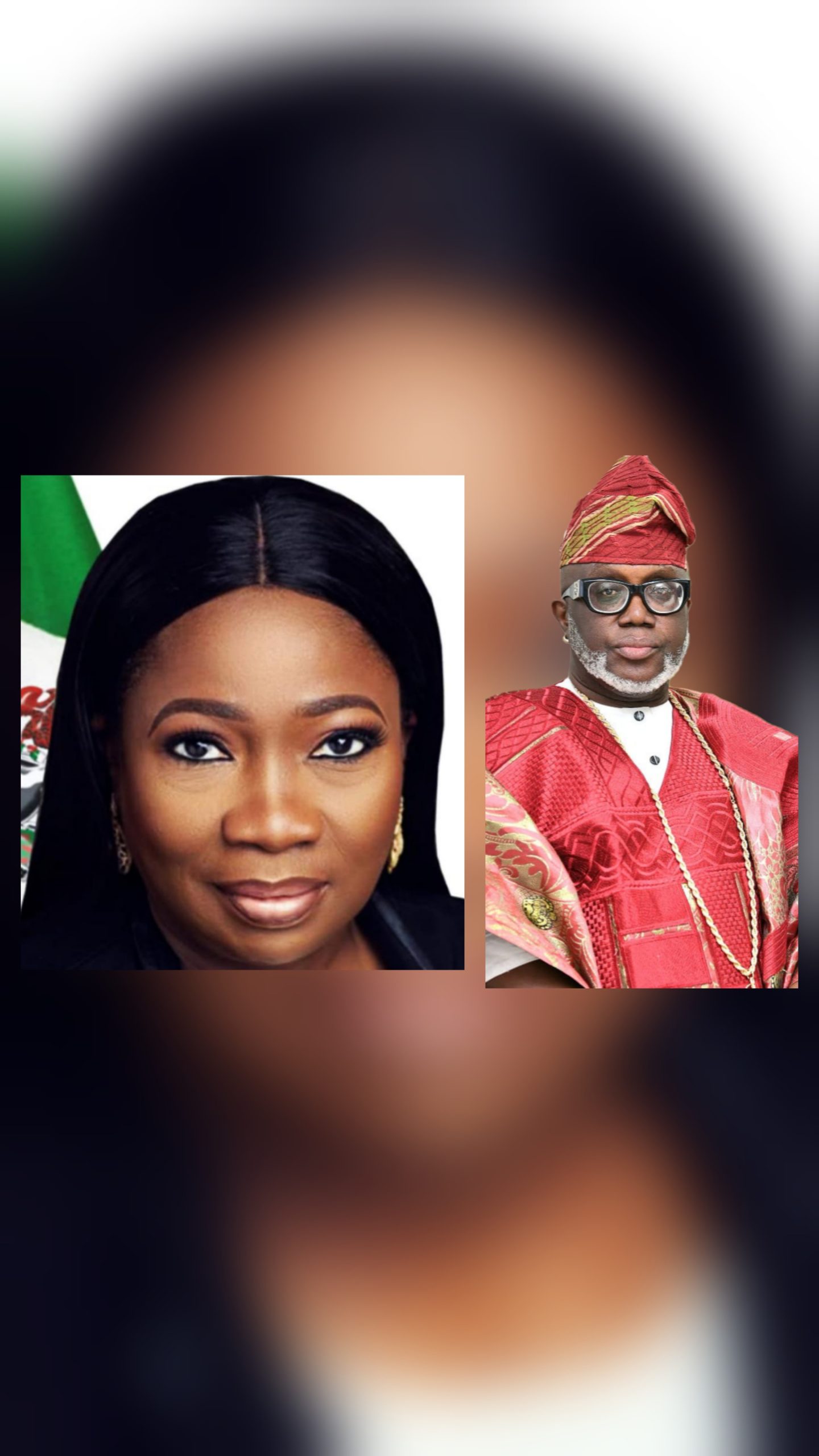
The Chairman and Chief Executive Officer of the Nigerians in Diaspora Commission (NiDCOM), Hon. Dr Abike Dabiri-Erewa ( OON) has been scheduled for honour, among other awardees, at the 2026 and the 6th edition of the annual Nigerian Independence Ball, Awards, and Dinner (NIBAD),billed to hold in Baltimore, Maryland, on the 18th of October .
At the instance of Naija Times USA and Raindrop Group led by Olaniyi Thompson Tabi, activities marking the 6th edition of NIBAD commenced on the 3rd of October with Independence carnival in Maryland.
As part of the expanded 6th edition, the Annual Independence stage play titled ‘Your Excellency Sir!’ …The saga of a nation, written and directed by Olaniyi Thompson Tabi, was showcased at a very colorful event on the 9th of October.
Designed to be an unforgettable celebration of Nigeria’s 66th Independence celebration, the grand finale of the celebration is billed for Sunday, the 18th of October, 4.00pm, at Gabriel Community Centre, 6948, Dogwood Road, Windsor Mill, MD 21244.
The evening will not only commemorate Nigeria’s rich history and vibrant culture but will also spotlight the exceptional contributions of Nigerians at home and abroad in various fields such as business, healthcare, education, community service, and more.
The evening will feature a grand awards ceremony to honor those who have demonstrated leadership, innovation, and dedication in their respective industries. Among them, Dr Dabiri- Erewa
Hon. Dr. Abike Kafayat Oluwatoyin Dabiri-Erewa (OON) is a prominent Nigerian politician, public administrator, and former broadcast journalist who has been able to show leadership since her appointment as the Chairman and Chief Executive Officer of the Nigerians in Diaspora Commission (NiDCOM).
To add colour to the event also, is
Dj X-One, reputed as the best Disc Jockey in the DMV area. Bunmi Ebony, a fast rising Juju Artiste in Atlanta will also be on the bandstand to thrill guests at the event to celebrate Nigeria.
****About NIBAD: The Nigerian Independence Ball, Awards, and Dinner (NIBAD) is an annual event that celebrates Nigeria’s Independence while recognizing the achievements of Nigerians in the diaspora. NIBAD aims to highlight the cultural pride, resilience, and accomplishments of Nigerians globally, bringing together community leaders, professionals, and influencers for an evening of celebration, inspiration, and unity.
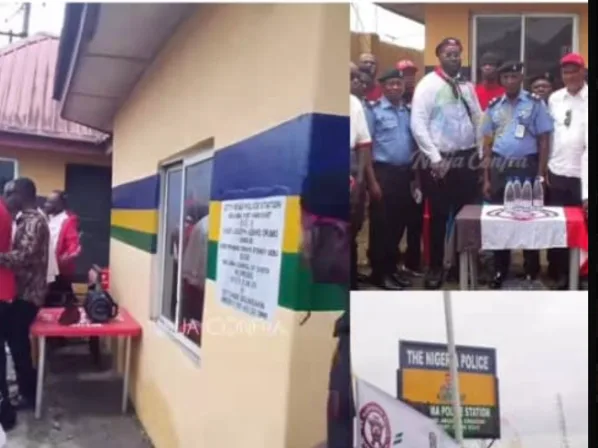
The Rivers State Police Command under CP Olugbenga A. Adepoju has condemned the purported renovation of the Abuloma Police Outpost by suspected cultists and ordered a full investigation into the incident.
Police Public Relations Officer (PPRO) of the command, ASP Blessing Agabe disclosed this in a Friday statement.
She said the command’s action follows a trending social media report and circulating video alleging that suspected cultists renovated the outpost and visited the facility on Thursday, October 15, to celebrate completion of the renovation.
The command said it “strongly condemns any action or association capable of compromising the integrity, discipline and professional standards of the Nigeria Police Force or conferring legitimacy, recognition or acceptance on suspected cult groups or other unlawful organisations.”
It added, “Police facilities are public institutions established for the protection of citizens and the enforcement of law and must not become platforms through which criminal groups seek public validation or influence.”
The command said CP Adepoju maintains zero tolerance for criminality and any conduct that undermines public confidence in the police.
Consequently, he has queried and relieved the Divisional Police Officer in charge of Abuloma Division and the Divisional Officer overseeing the affected outpost of their duties pending investigation.
The CP has also ordered a full investigation to establish the circumstances surrounding the incident and the veracity of the allegations, including the identities and backgrounds of the individuals or groups who financed or facilitated the renovation; the police officers who authorised or approved the project; whether due procedures were followed; whether any officer breached professional standards or compromised the integrity of the force; and the extent of any involvement by police personnel.
The command said while it welcomes legitimate community support for improving police facilities, consistent with Section 26(1)(d) of the Nigeria Police Act 2020, which provides for gifts and contributions to the Police General Fund, such support must not compromise police independence, professional standards or security.
“No donation or assistance confers immunity from investigation or prosecution,” the command stated, adding that the investigation will establish whether necessary approvals were obtained and appropriate checks conducted on those who financed the renovation.
It reiterated that it would not condone unprofessional conduct or any form of improper association with criminal elements and that appropriate disciplinary and legal action would be taken against anyone found culpable.
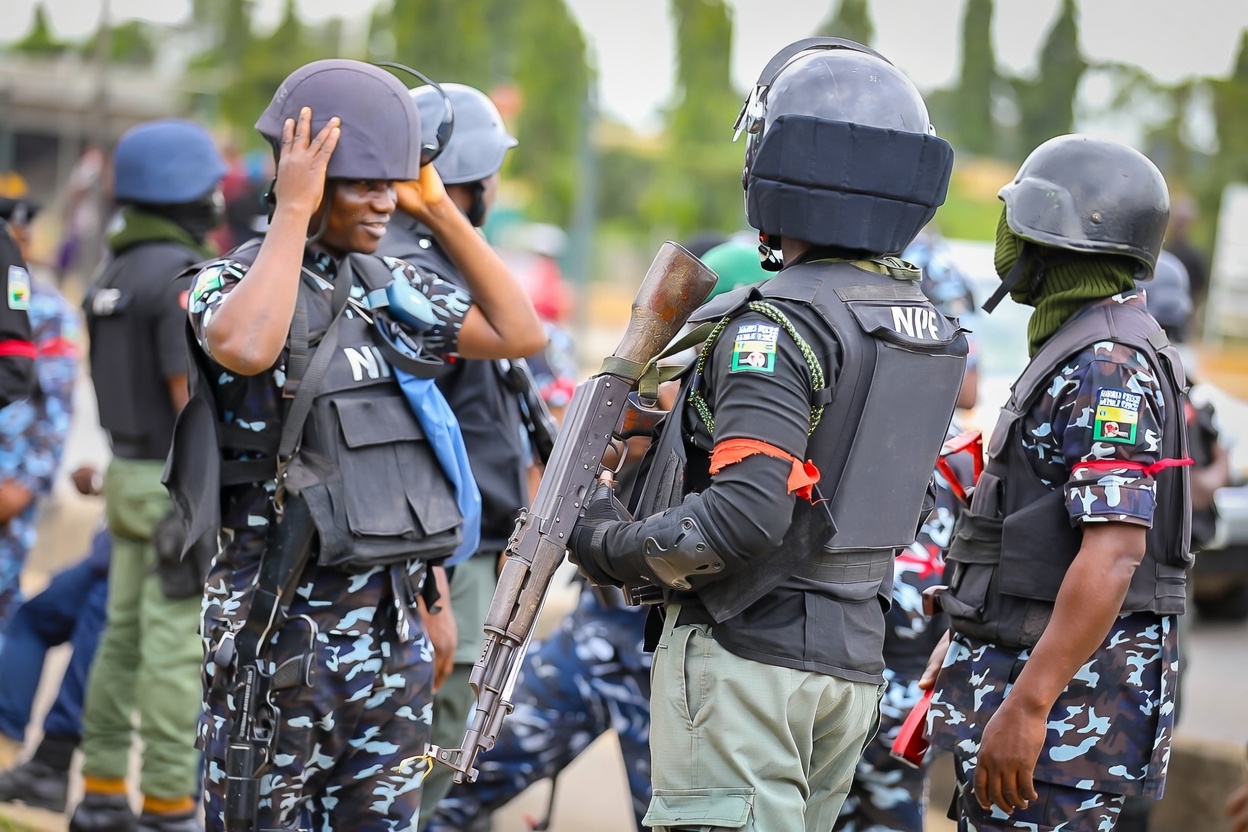
The Police Command in Benue State has confirmed the abduction of Rev. Fr. John Otache, Parish Priest of St. Margaret’s Parish, Ajegbe-Awume, in Ohimini Local Government Area of the state.
The Police Public Relations Officer, DSP Aondogu Orchia confirmed the incident on Friday in Makurdi.
Orchia said the command had commenced full investigation into the incident and efforts were ongoing to rescue the priest.
Meanwhile, the Catholic Diocese of Otukpo, in a statement signed by the Diocesan Chancellor, Rev. Fr. Joseph Itodo, said the priest was abducted on October 13.
According to Itodo, Otache was returning home from Otukpo when he encountered the abductors along the Otobi Amejo-Ajegbe Road in Ohimini Local Government Area.
He expressed sadness over the incident, saying the Bishop of Otukpo, Most Rev. Michael Apochi, was deeply pained by the development.
He called on priests, religious members, the laity and other well-meaning individuals to pray for the priest’s safe and speedy release.
He also urged prayers for other persons held by kidnappers across the country, expressing hope for their safe return.
-
 Health & Wellness1 year ago
President Tinubu Directs Cut in Dialysis Cost from ₦50,000 to ₦12,000
-
News2 years ago
CBN Debunks Fake Circular on New ₦5,000 and ₦10,000 Notes
-

 Business7 months ago
Dangote Refinery Reduces Petrol Gantry Price To ₦1,200 Per Litre
-
 International News7 months ago
Indian Police Arrest Nigerian Over ₦290m Drug Haul
-
 Business7 months ago
After Plea Bargain, Court Discharges Stella Oduah of ₦2.5bn Fraud
-
Business2 years ago
Dangote; We Did Not Fix ₦600/Litre Petrol Price
-
 Trending News1 year ago
NELFUND Disburses ₦86bn To 449,000 Beneficiaries
-
 Opinion2 years ago
Championing the People’s Voice: Obasa’s Dedication to Grassroots Representation By Dave Agboola⁰