
Exclusive
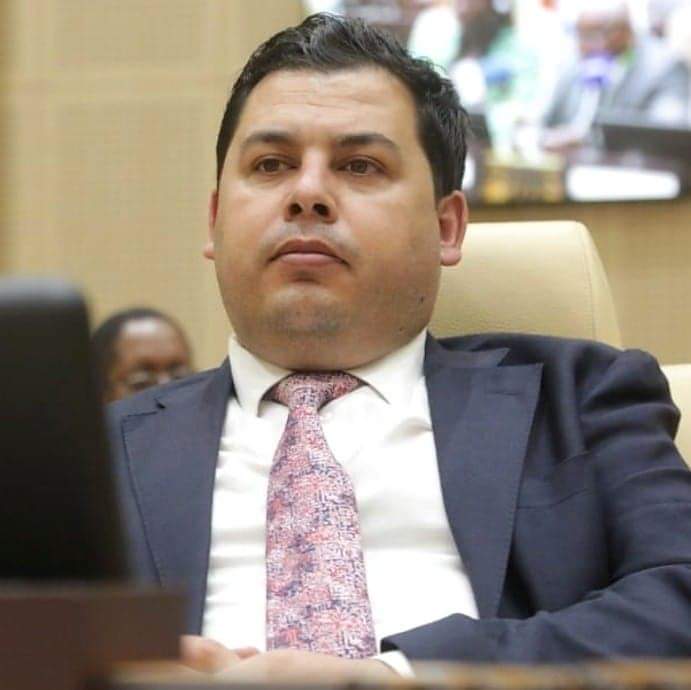
The Atlantic Initiative: Foundations, Characteristics, & Geopolitical Identity By Mohammed Bouden

According to World Bank estimates, the interest in the Atlantic Ocean is constantly growing, driven by the desire to exploit its opportunities and capitalize on shared benefits to address global challenges.
Oceans play a crucial role in the global economy, contributing $1.5 trillion each year, a figure that is expected to double by 2030 to over $3 trillion. This projected expansion is also expected to create nearly 50 million jobs in the sustainable maritime economy sector in Africa, while contributing approximately $21 billion to Latin America’s gross domestic product.
King Mohammed VI’s vision for the Atlantic:
King Mohammed VI’s vision for the Atlantic, in collaboration with international and regional partners, represents a bold and innovative approach for the Afro-Atlantic region. This vision seeks to harness the human and natural resources of the area through a collective initiative aimed at bolstering development catalysts, enhancing maritime transportation infrastructure, and promoting investment in energy and maritime economy-related value chains.
Morocco’s Contribution to the Atlantic Initiative:
Morocco, intrinsically tied to the Atlantic through its geopolitical identity, assumes a pivotal role in advancing an African viewpoint centered on the Atlantic coast, thereby enhancing dialogue and solidifying enduring relationships. As Africa’s foremost trade ally for numerous principal nations within the Euro-Atlantic area and the leading African investor in West Africa, Morocco sustains robust ties with African nations along this strategic front. Demonstrating Morocco’s enduring dedication to these partnerships, King Mohammed VI has undertaken 38 visits to 15 countries across the Afro-Atlantic region since 1999.
The Emergence of the Integration Initiative on the Atlantic Facade of Africa:
The emergence of the integration initiative on the Atlantic facade of Africa reflects the commitment of many regional actors to building a common and open platform for collaboration, dialogue, and exchange. The objective is to strengthen the competitive capacities of the 23 countries involved in order to effectively respond to the challenges of the current international arena. This initiative aims to make the African Atlantic coast a vector of security solutions, economic opportunities, and investment, within the framework of what is known as the ocean economy. The Atlantic offers a favorable environment for establishing significant links with other Atlantic regions, including the United States, Western Europe, Latin America, and the Caribbean. This dynamic is partly explained by the fact that the Atlantic Ocean is today considered one of the most stable and busiest in terms of maritime trade, compared to the Pacific and Indian Oceans.
The Advantages of Policy Integration and Harmonization:
Efforts aimed at integrating and harmonizing policies provide countries with enhanced competitive conditions, thereby bolstering opportunities for diversifying partnerships and expanding economic prospects. Additionally, they play a role in safeguarding shared interests against fluctuations in international markets and geopolitical shifts.
The Added Value of an Afro-Atlantic Cooperation Initiative:
Although some countries on the African Atlantic coast have significant individual resources, an Afro-Atlantic cooperation initiative could add value to the intrinsic strength of each country. This initiative is not limited to a traditional approach to integration, but adopts an enlightened vision of geopolitics that is both African and Atlantic, encompassing countries from four geopolitical regions of the continent: north, west, center, and south. Its objective is to extend the Atlantic cooperation model by launching projects aimed at bringing about a fundamental transformation throughout this space. It is in this context that the Morocco-Nigeria gas pipeline project fits in, which encompasses 13 African countries bordering the Atlantic and totaling 440 million inhabitants. With an ambitious infrastructure exceeding 5,660 km of gas pipeline towards Western Europe, this project could become a key element of shared prosperity in the Atlantic, while symbolizing the meeting between two continents and paving the way for development and energy.
The Four Strategic Priorities of the Afro-Atlantic Initiative:
I. Create an Afro-Atlantic space that strengthens stability and peace through security solutions.
II. Establish an Afro-Atlantic space with a competitive advantage in value chains.
III. Promote a sustainable Afro-Atlantic space by fostering social, environmental, and economic development, particularly in the areas of the green and digital economy, as well as in addressing the challenges of food, water, and energy security.
IV. Develop an Afro-Atlantic space that values its potential as an attractive pole facing the global South.
Thus, it is certain that international actors outside the African continent will be attentive to the opportunities presented by the Atlantic initiative and its contribution to the overall vision for the region’s development. This international cooperation project spans over 11,000 km, from Tangier to Cape Town via Lagos. A notable example of this international interest is the American initiative that has placed the Atlantic at the heart of deliberations, involving 32 coastal countries (which are now 38) from four continents. This initiative was launched in September 2023 during a statement on Atlantic cooperation on the sidelines of the United Nations General Assembly in New York, with the participation of 15 African Atlantic coastal countries at this meeting.
Regarding the expected economic and geopolitical benefits of the Afro-Atlantic initiative, four key benefits can be highlighted:
I. Enhance collaboration across the Atlantic coastline of Africa, positively influencing the domestic economies of the participating nations. Six of Africa’s largest economies are situated along the Atlantic, accounting for 55% of the continent’s overall GDP and producing 57% of the trade within Africa, in addition to attracting 60% of the foreign direct investment. This concentration of economic activity generates heightened global attention towards this area.
II. Increase the bargaining power of the Atlantic coastal countries with international powers, cooperation institutions, and regional forums to secure financial support for regional projects and defend regional interests in a realistic and pragmatic manner.
III. Highlight the strategic importance of the Atlantic in Africa for the development of value chains specific to this area and stimulate increased interest in addressing gaps in infrastructure and investment.
IV. Create an open and innovative platform to strengthen South-South cooperation and achieve a fundamental transformation across the Atlantic space, by promoting convergence between four continents (Africa, Europe, North and South America). The goal is to make the Atlantic a space of partnership for progress and peace, to accompany dynamic developments, especially since 46% of the African population lives in Atlantic coastal countries, largely young people who constitute a driving force in the labor market and a significant base for consumption.
The Kingdom of Morocco plays a central role in the Afro-Atlantic initiative, acting as a cornerstone and driving force for its proactive approach. This is demonstrated by its leadership in several key areas: hosting the General Secretariat of the initiative in Rabat, serving as the central coordinating body. Spearheading ministerial meetings, including those held during the 78th United Nations General Assembly in New York and the latest meeting in Rabat in July 2023.
Furthermore, Nigeria, Cape Verde, and Gabon have been entrusted with developing comprehensive action plans addressing critical areas such as: security and political cooperation ; combating terrorism and transnational crime ; Mitigating maritime piracy and illegal immigration ; Promoting the blue economy and maritime connectivity ; addressing energy needs, sustainable development, and marine environment protection.
The Afro-Atlantic initiative stands as the most significant and ambitious strategic vision for Africa to date. To ensure its success, three key elements are crucial: Implementation of concrete cooperation projects that deliver tangible benefits to participating nations ; Strengthening tripartite partnerships by collaborating with interested international actors who can contribute expertise and resources ; Establishing long-term objectives that guide the initiative towards achieving economic integration, political convergence, and enhanced competitiveness for the region.
Ultimately, the Afro-Atlantic initiative emphasises the enduring principle: unity is strength. By working together, the participating nations can harness their collective potential to shape a more prosperous and secure future for Africa.
PR. Mohamed Bouden: expert in contemporary international affairs
The Centre Against Injustice and Domestic Violence (CAIDOV) has commended the Inspector-General of Police, IGP Olatunji Rilwan Disu, for what it described as a proactive approach to policing in his first six months in office.
Disu assumed office in February 2026 as the 23rd indigenous Inspector-General of Police. His appointment was subsequently ratified by the Nigeria Police Council.
In a statement, CAIDOV said the IGP’s first 180 days had been characterised by intelligence-led operations, efforts to improve officers’ welfare and increased emphasis on community engagement.
The organisation said the emerging approach represented a shift from predominantly reactive policing towards prevention, intelligence gathering and faster operational response.
According to CAIDOV, the deployment of drones, surveillance technology and improved intelligence-sharing with other security agencies had strengthened efforts to identify and disrupt criminal networks.
The group also pointed to the IGP’s emphasis on inter-agency and inter-state coordination. In June, the Nigeria Police Force announced the deployment of Deputy Inspectors-General of Police to the six geopolitical zones and directed the commencement of inter-state patrols to improve security coordination and operational effectiveness.
CAIDOV’s Executive Director, Gbenga Soloki, said in the statement that the organisation’s assessment of the IGP’s first six months showed a leadership approach centred on equipment, personnel and community relations.
“IGP Disu’s blueprint is simple: equip the troops, engage the people, and enforce accountability,” Soloki said.
According to him, “the early results show a Police Force that is listening more, responding faster, and policing with the people.”
CAIDOV also highlighted personnel welfare as one of the areas it believes has received attention under Disu.
The organisation cited improvements in operational support, including patrol vehicles and communication equipment, as well as attention to officers’ career progression and welfare.
The Police Force announced in May that Disu had approved the promotion of 17,952 junior police officers nationwide, describing the exercise as part of efforts to improve morale, recognise diligence and strengthen institutional capacity.
At a subsequent decoration ceremony in July, Disu told newly promoted senior officers that their elevation represented greater responsibility and urged them to maintain professionalism, discipline and commitment to service.
CAIDOV said that regular engagement with officers in frontline formations could also contribute to improving morale and operational effectiveness.
The organisation further commended the emphasis on what it described as “Citizen First” policing, saying public confidence remained essential to effective law enforcement.
According to CAIDOV, efforts to strengthen complaint-response mechanisms, address inappropriate checkpoints and engage communities through town-hall meetings could help rebuild trust between police officers and citizens.
The organisation said policing should not be measured only by arrests or security operations but also by how safely and respectfully citizens interact with law-enforcement agencies.
It noted that Disu’s stated commitment to protecting lives and property was central to his maiden address after assuming office.
In his February speech, Disu said he was committed to ensuring the protection of the lives and property of law-abiding citizens and residents across the country.
President Bola Tinubu, while decorating Disu as Acting IGP in February, also charged him to restore peace and strengthen security nationwide, saying he had confidence in Disu’s record and experience.
Beyond conventional policing, Disu’s administration has also begun engaging with broader questions surrounding Nigeria’s security architecture.
In March, the IGP inaugurated a committee on state policing, describing the assignment as “significant and timely” and calling for innovative approaches to the country’s evolving security challenges.
The Police Force also held a strategic leadership retreat for senior officers in March as part of its reform efforts, with discussions focusing on institutional transformation, accountability and responsive policing.
CAIDOV said that such initiatives should be sustained, particularly as Nigeria continues to confront kidnapping, cult-related violence, banditry and other security challenges.
Soloki said the organisation was encouraged by the direction of the Police Force but urged the leadership to maintain momentum.
“Equip the troops, engage the people, and enforce accountability,” he reiterated, stressing that effective policing required both operational capacity and public cooperation.
He added that reforms should be accompanied by continuous training, stronger community partnerships and transparent accountability mechanisms.
CAIDOV therefore called on the IGP to consolidate the gains of his first six months and ensure that reforms introduced at the leadership level translate into improved policing at the command and divisional levels.
The organisation also urged citizens to cooperate with law-enforcement agencies by providing useful information while demanding professionalism and respect for their rights.
“As policing evolves, the people must remain at the centre,” CAIDOV said, adding that sustained community partnership would be critical to building a more responsive and trusted police institution.
The assessment comes six months into Disu’s tenure, a period that has seen the Police Force pursue greater operational coordination, personnel development, technology-driven policing and discussions around state policing.
While CAIDOV acknowledged that six months was still an early period for judging the long-term impact of reforms, it said the direction of the IGP’s leadership offered grounds for continued engagement and scrutiny.
For the organisation, the next phase should be about sustaining the momentum, measuring results and ensuring that the promise of proactive, accountable and citizen-focused policing is reflected in the everyday experience of Nigerians.

An Open Letter to Hon. Bisi Yusuf
From: Hon. Ajoke Moromoke Aminat Obe (AMA)
Date: May 19, 2026
Dear Hon. Bisi Yusuf,
*PEACE MUST RETURN TO ALIMOSHO*
You and I go a long way.
During the battle for Agbado Oke-Odo, when Hon. Famuyiwa tried to rob us in the legislative arm of the council, you stood by us. You were a dependable leader and gave us strength in the House. When there was a kangaroo election and we protested, you spoke for us. For that, you have my respect.
I was also one of the people who came to you and asked you to step up and join Her Excellency Adejoke Orelope-Adefulure during the battle for supremacy in Alimosho. You told us categorically that you were no longer interested in politics. I told you then that you couldn’t step back, because peace must return to Alimosho by all means. We had meetings with 5 other leaders after that. The rest is history.
Today you head a faction called TMM. That’s what I need to talk to you about, especially in view of what played out yesterday.
I was an eyewitness, and I almost died or got fatally wounded. But for a guy who kept shouting at me, _”Ama, Ẹ lọ duro si ẹgbẹ ogiri. Ama, go and stand by the wall,”_ I don’t know where I’d be.
In front of me lay an old man flat on his face. I kept picking him up and he kept falling, until that guy came and pulled both of us up.
How did it go all wrong? What happened? Where did the gunshot come from? These questions have been going round and round in my head.
The election was just starting when I got in. I came through the back and saw members from Agbado Oke-Odo. As usual we threw banter at each other, and someone gave up a chair for me and I sat with them. This is what we do in Alimosho. We laugh, we tease each other, we make noise. We don’t shoot people, we don’t kill people, we don’t threaten people, we don’t insult leaders, even when we’re not in the same group. We are not enemies.
Shortly after I sat down, Olo, the Vice Chairman of Ayobo/Ipaja LCDA, called and asked where I was. When I told him, he said I should come to the front because he had a chair reserved for me. When he didn’t see me, he sent his PA to come and find me. I then went and sat beside him. The hall was still calm. I danced and laughed to my seat, and people were calling me left and right.
Then Gbọsa! I heard the noise, but I didn’t know where it came from. One of Olo’s aides pushed me from my chair and asked that we leave immediately. By the time I looked back, people were already rushing to the back entrance. I stood frozen for a moment, then the chairs started flying everywhere. Windows were smashed, terror in broad daylight!
It wasn’t just random attendees caught up in this. Hon. Yemi Ajigbotafe, a serving Commissioner, was also attacked. His security detail was wounded, his car windows smashed. When people in positions like that are not safe at a political gathering in Alimosho, then none of us are safe.
Hon. Bisi, Alimosho has been through enough. We have fought together before to keep peace and fairness in this LGA. I am asking you, as someone who has led here and who people still listen to, to use your voice now to call for calm, for restraint, and for a full investigation into what happened yesterday. At this point I will not point accusing fingers at anyone but if I have to I will do so without fear. You know my history.
We cannot allow violence to become the language of politics in Alimosho. The people who were there are not enemies. We are brothers and sisters with history. If we don’t stop this now, there will be no political structure left to lead.
I am willing to give my account to the police and to any panel that is set up. I ask that you do the same, and that you help ensure that whoever fired that shot is identified and that the law takes its course without fear or favor.
Peace must return to Alimosho by all means. That’s why I came to you years ago, and that’s why I’m writing to you now.
Respectfully,
Hon. Ajoke Moromoke Aminat Obe (AMA)
**The incident in question happened in Alimosho on Monday at Senator Idiat Adebule primaries at about 2pm in the council

The Magistrate Court sitting in Oke Eda, Akure, has remanded a traditional ruler and two others over alleged involvement in fraudulent land transactions and illegal land grabbing in Ondo State.
The defendants, Oba David Okunato, the traditional ruler of Osi community in Akure North council area, Tifase Folasade, and Nwaigbue Chijioke, alongside others said to be at large, were arraigned before the court as part of the government’s efforts to tackle illegal land dealings across the state.
The prosecution alleged that the monarch had earlier sold about 750 plots of land to a company for development purposes, but later went ahead to resell parts of the same property to several other buyers, leading to disputes over ownership.
Trouble reportedly started when the company returned to begin development on the land and discovered that several individuals were already claiming ownership of parts of the property through fresh allocations allegedly made by the monarch.
The development sparked disputes among the parties involved, forcing the matter to be taken back to the traditional ruler for clarification.
It was further alleged that the monarch later agreed to provide the company with another parcel of land as compensation, but allegedly went ahead to sell the same property to another buyer, further worsening the dispute.
The court subsequently ordered the remand of the defendants at the Olokuta Correctional Centre in Akure pending the fulfilment of their bail conditions.
The court granted bail to each of the defendants in the sum of Two Million Naira (₦2,000,000), with one surety each, who must be a recognised traditional ruler within the court’s Magisterial District, and a civil servant not below Level 14 who is resident within the Akure Magisterial District.
-
 Health & Wellness1 year ago
President Tinubu Directs Cut in Dialysis Cost from ₦50,000 to ₦12,000
-
News2 years ago
CBN Debunks Fake Circular on New ₦5,000 and ₦10,000 Notes
-

 International News6 months ago
Indian Police Arrest Nigerian Over ₦290m Drug Haul
-

 Business7 months ago
Dangote Refinery Reduces Petrol Gantry Price To ₦1,200 Per Litre
-

 Business7 months ago
After Plea Bargain, Court Discharges Stella Oduah of ₦2.5bn Fraud
-
Business2 years ago
Dangote; We Did Not Fix ₦600/Litre Petrol Price
-
 Trending News1 year ago
NELFUND Disburses ₦86bn To 449,000 Beneficiaries
-
 Opinion2 years ago
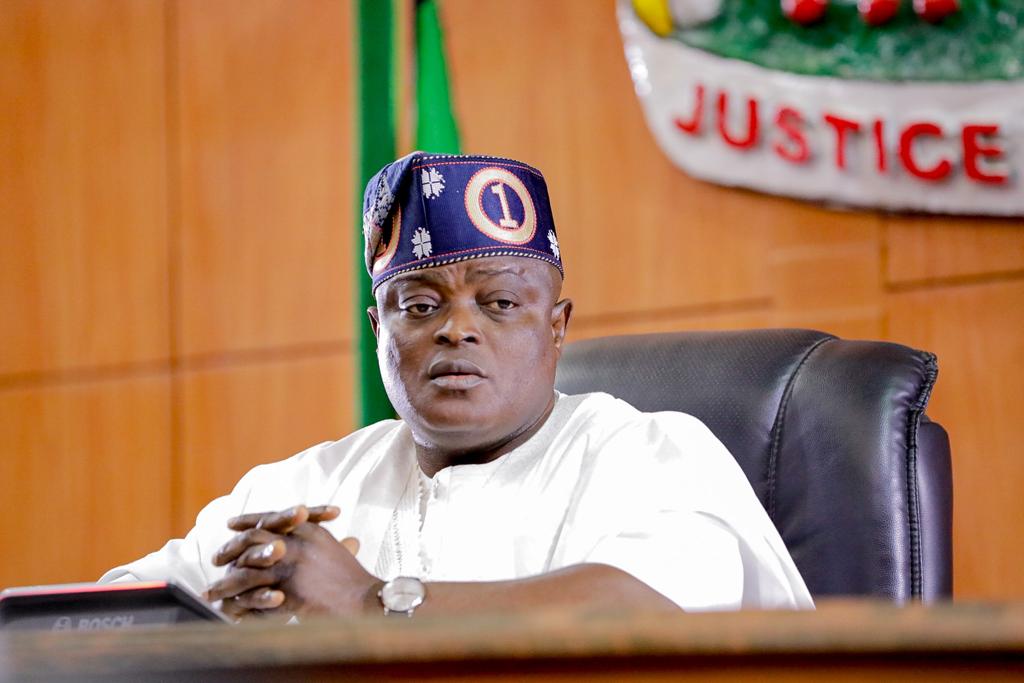
Championing the People’s Voice: Obasa’s Dedication to Grassroots Representation By Dave Agboola⁰