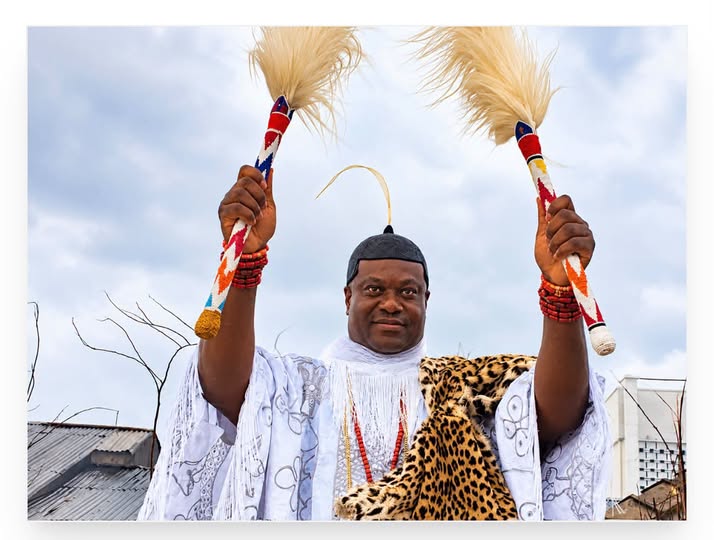
The Ooni of Ife, Ooni Adeyeye Enitan Ogunwusi, CFR, Ojaja II, has charged politicians and other political leaders in Nigeria to prioritise the welfare and interests of the citizens in the discharge of their responsibilities.
He made the charge in a statement issued by his Director of Media and Public Affairs , Otunba Moses Olafare,following a media chat held by the traditional shortly after paying homage and performing traditional rites at his Royal family home in Ile-Ife, Osun State, as part of the obligatory rites marking the 2026 Olojo Festival.
The Ooni, who is also the co-chairman of the National Council of Traditional Rulers of Nigeria (NCTRN), stressed the need for political leaders to always place the collective interest of the people above personal and political considerations, urging them to work towards building a peaceful, united and prosperous Nigeria.
Ooni Ogunwusi noted that political leadership comes with a responsibility to the people, saying those entrusted with public offices should remain committed to improving the lives of citizens and strengthening the unity of the country.
He also called on Nigerians to continue to support efforts aimed at promoting peace and development, stressing that the progress of Nigeria requires the collective commitment of both leaders and citizens.
The Ooni, while speaking on the significance of this year’s Olojo Festival, said the celebration goes beyond being a cultural heritage of the Yoruba people, describing it as a global festival of thanksgiving, hope, restoration and divine intervention.
According to him, the emergence of daylight celebrated through Olojo carries a message of hope and renewal for humanity, particularly at a time when nations around the world are confronted with various challenges.
“This Olojo has given us a sample of appreciation. It is a global festival, a festival of thanksgiving. The day that the day comes out across the universe, we celebrate it here in the ancient city of Ile-Ife. It gives us hope that our condition as a nation is turning around,” the Ooni said.
The Ooni also commended President Bola Ahmed Tinubu for his leadership and offered ancestral prayers and blessings for the President, expressing hope for peace, stability and sustainable progress in Nigeria.
He urged political leaders to see their positions as opportunities to serve humanity, rather than avenues for personal enrichment or division, while calling for greater commitment to the national interest.
The 2026 Olojo Festival attracted a large gathering of traditional rulers, government officials, politicians, cultural enthusiasts, tourists and other dignitaries from different parts of Nigeria and beyond.
The influx of visitors also boosted commercial activities across Ile-Ife, with traders, hospitality operators, transporters, food vendors and other businesses recording increased patronage during the festival period.
The Olojo Festival remains one of the most significant traditional festivals associated with Ile-Ife and the Yoruba people. It is traditionally linked to the commemoration of the emergence of daylight after primordial darkness and is marked by spiritual rites, prayers and cultural activities seeking peace, prosperity and progress for the people.
The 2026 edition has once again placed Ile-Ife at the centre of global attention, providing an avenue for the preservation and promotion of Yoruba cultural heritage while strengthening the city’s position as a major destination for cultural tourism.