
Health & Wellness
Tropical Storm Hits Philippine, 40 Dead, Towns Submerged

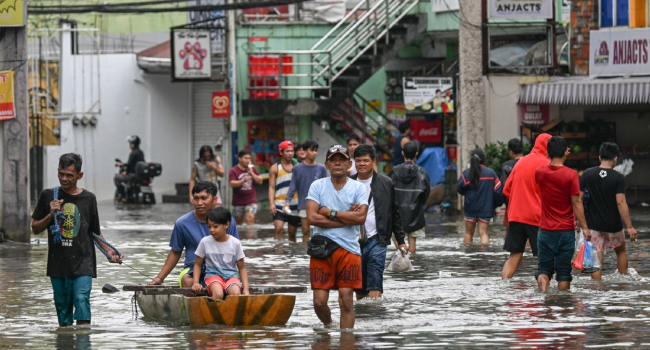
Philippine rescue workers battled floodwaters Friday to reach residents still trapped on the roofs of their homes as Tropical Storm Trami moved out to sea after killing at least 40 people.
Tens of thousands remained displaced after fleeing floods driven by a torrential downpour that dumped two months’ worth of rainfall in just two days in some areas.
“Many are still trapped on the roofs of their homes and asking for help,” Andre Dizon, police director for the hard-hit Bicol region. “We are hoping that the floods will subside today, since the rain has stopped.”
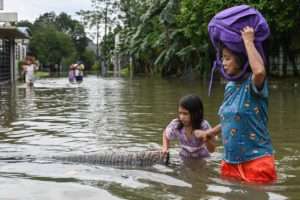
Accessibility remained a major issue for rescuers Friday, particularly in Bicol, President Ferdinand Marcos said at a press briefing.
“There were landslides in areas that didn’t have landslides before … so I guess the soil is completely saturated, the water has nowhere to go,” he said.
The cities of Naga and Legazpi were reporting “many casualties but we haven’t been able to get in yet,” Marcos added.
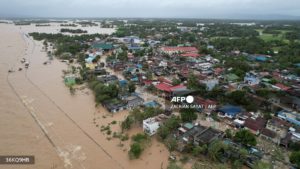
As Trami departed the Philippines in the early hours, traveling west over the South China Sea, the storm’s death toll swelled as fresh reports of victims emerged.
In Batangas province south of the capital Manila, police staff sergeant Nelson Cabuso told AFP six unidentified bodies had been found in Sampaloc village.
“The area was hit by a flash flood yesterday. Our people are still in the area to check if there are other casualties,” he said.
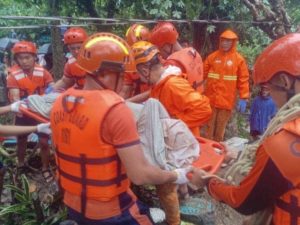
Another five people were killed in a flash flood in the coastal village of Subic Ilaya, police corporal Alvin de Leon said, pushing the toll to at least 40, according to an AFP tally from police and disaster officials.
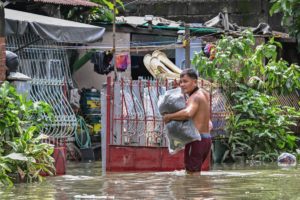
While Manila was seemingly spared the heavy flooding that accompanied Typhoon Gaemi in July, AFP reporters saw a subdivision south of the capital largely submerged on Friday.
– ‘Two months’ worth of rain –
Government offices and schools across the main island of Luzon remained shuttered Friday, and storm surge warnings were still in place along the west coast, with potential waves as high as two metres.
State weather agency specialist Jofren Habaluyas told AFP that Batangas province had seen “two months’ worth of rain”, or 391.3 millimetres, fall over October 24 and 25.
An official tally late Thursday reported 193,000 people evacuated in the face of flooding that turned streets into rivers and half-buried some towns in sludge-like volcanic sediment set loose by the storm.
Many of those were in the Bicol region, where more than 30,000 fled Wednesday alone in the face of “unexpectedly high” flooding.
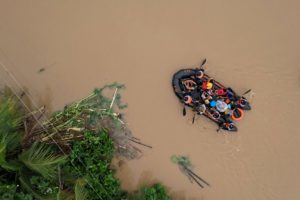
Rescuers in the region’s Naga city and Nabua municipality used boats to reach residents stranded on rooftops, many of whom sought assistance via Facebook posts.
In the Batangas town of Lemery, about 97 kilometres (60 miles) south of Manila, a hospital was forced to turn away patients as its wards and emergency rooms were flooded.
And the search for a missing fisherman whose boat sunk in the waters off Bulacan province west of Manila remained suspended on Friday due to strong currents, the local disaster office said.
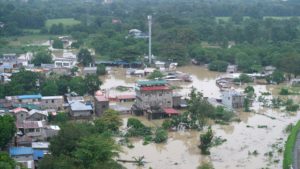
About 20 big storms and typhoons hit the Philippines or its surrounding waters each year, damaging homes and infrastructure and killing dozens of people.
But a recent study showed that storms in the Asia-Pacific region are increasingly forming closer to coastlines, intensifying more rapidly and lasting longer over land due to climate change.
AFP
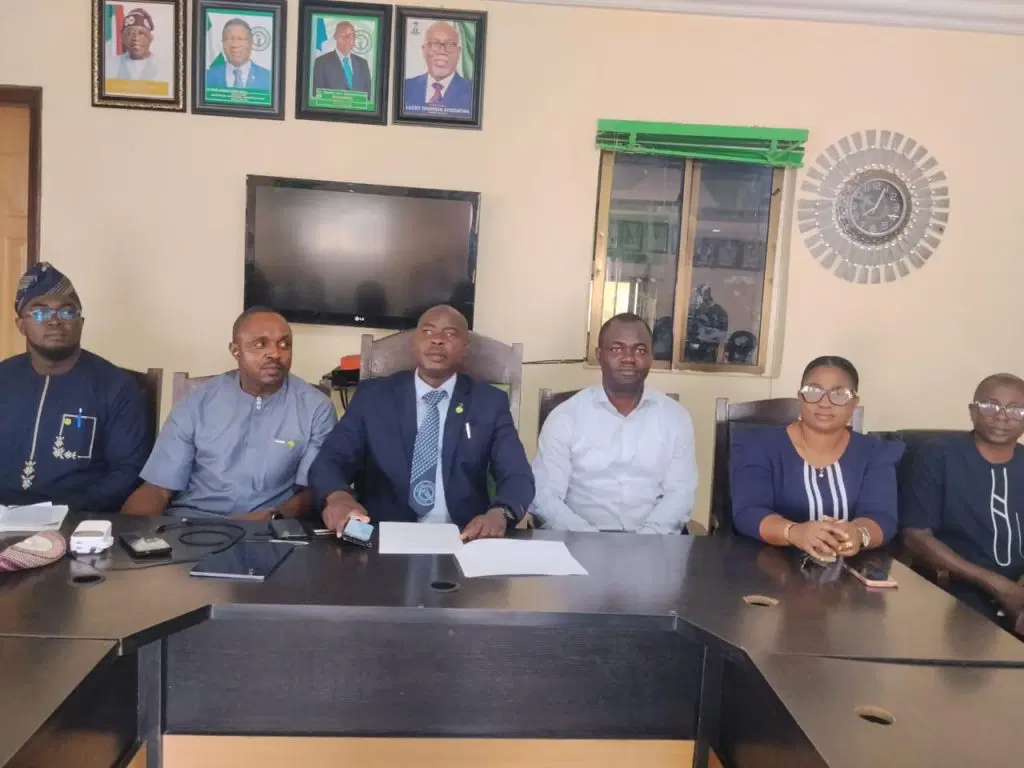
The Ondo chapter of the Nigerian Medical Association (NMA) says the state lost about 400 doctors to migration and other forms of workforce attrition in the last five years, leaving about 500 doctors in public health institutions across the state.
Roland Arohunmolase, NMA chairman in Ondo, disclosed this in Akure on Monday during activities marking the 2026 Physicians’ Week, themed “Securing the Future of Medicine in Nigeria”.
Speaking on behalf of Afekhide Omoti, NMA national president, Arohunmolase said the shortage had increased the workload on remaining doctors and raised concerns about the quality of healthcare available to residents.
“As of today, we barely have 500 doctors across state and federal government health establishments in Ondo state, excluding the private sector. Based on the records available to me, we have about 500 doctors,” Arohunmolase said.
He said the number of doctors in the state’s healthcare system previously stood at about 900 to 1,000, but approximately 400 had since left.
Arohunmolase appealed to the state government to introduce measures to attract and retain medical professionals, including better remuneration and improved working conditions.
He said such efforts would help reduce burnout among doctors and other healthcare workers who have to cope with the demands of an understaffed health system.
Arohunmolase also linked medical tourism among wealthy Nigerians to inadequate infrastructure and shortages of essential equipment in the country’s hospitals.
“I believe they go abroad because they themselves know the inadequacies that exist within our system,” he said, arguing that the failure to provide essential equipment and modern medical technology had undermined public confidence in local healthcare services.
“The challenge is not necessarily the competence of our doctors but the inadequacies within the healthcare system. These shortcomings undermine public confidence and encourage people, particularly politicians, to continue seeking medical treatment overseas.”
Arohunmolase also called for increased government investment in healthcare.
He noted that increased funding was necessary to improve hospital infrastructure, provide essential equipment, strengthen working conditions and offer competitive remuneration to medical professionals.

Doctors in the service of the Kwara State Government on Thursday commenced a seven-day warning strike over alleged salary deductions for the state’s health insurance scheme.
Their grievances also include alleged unpaid allowances, staffing shortages and other unresolved welfare concerns.
The industrial action involves members of the Kwara Doctors Forum, comprising the Medical and Dental Consultants Association of Nigeria (MDCAN), the National Association of Government General Medical and Practitioners (NAGGMDP) and the Association of Resident Doctors (ARD), KWASUTH.
Speaking at a news conference in Ilorin, MDCAN Chairman, Dr Adeola Olasinde, said the strike followed the expiration of a 14-day ultimatum issued to the state government, which ended on October 14.
He said the decision was reached at the forum’s congress on October 14 after the government failed to address the doctors’ demands, including the sudden deduction of two per cent of their salaries for the Kwara Health Insurance Scheme (KHIS), also known as KwaraCare.
Olasinde demanded an immediate reversal of the deduction, payment of approved accoutrement allowance arrears for 2025 and 2026, and implementation of the Consolidated Medical Salary Structure (CONMESS), the salary scale for medical and dental practitioners in government service.
The doctors also called for the recruitment of house officers, medical officers, resident doctors and consultants across public health facilities to address staffing gaps.
Other demands include the renovation of officers’ quarters in teaching hospitals and the establishment of the Governing Board of the Kwara State University Teaching Hospital (KWASUTH) in accordance with its enabling law.
Clarifying their position on the health insurance scheme, Olasinde said the doctors were not opposed to health insurance or efforts to expand access to affordable healthcare.
But he insisted that the scheme must operate transparently and with the confidence of contributors.
He said the deductions, introduced without prior agreement or satisfactory clarification on the management of the funds, had raised serious concerns among the doctors.
“The management of public health insurance funds must be subject to clearly defined institutional controls and collective oversight.
“There should also be transparent financial procedures, independent audit and appropriate legislative and regulatory supervision,” he said.
Olasinde called for the involvement of relevant stakeholders in the formulation, governance, monitoring and periodic review of the scheme, saying workers’ contributions must translate into accessible and quality healthcare.
He apologised to patients and members of the public for the inconvenience the strike might cause.
He described the action as a reluctant decision taken after dialogue failed to resolve the dispute.
“The warning strike is not our preferred course of action but is adopted reluctantly after dialogue failed,” he said.
The MDCAN chairman appealed to Governor AbdulRahman AbdulRazaq and other relevant authorities to intervene urgently and address the doctors’ demands.
However, the Medical Director of KWASUTH, Dr Ahmed Abdul-Qadir, appealed to the striking doctors to return to work.
He warned that prolonged disruption could expose patients to avoidable risks.
Abdul-Qadir said the hospital was operating at full capacity, with critically ill patients in its wards and Intensive Care Unit, including women who had recently undergone surgery.
He described the situation as unfortunate and urged the medical associations to resolve the dispute quickly in the interest of patients.
The medical director expressed confidence in the state government’s commitment to workers’ welfare, particularly in the health sector, and appealed to the doctors to resume duty to ensure uninterrupted healthcare delivery.
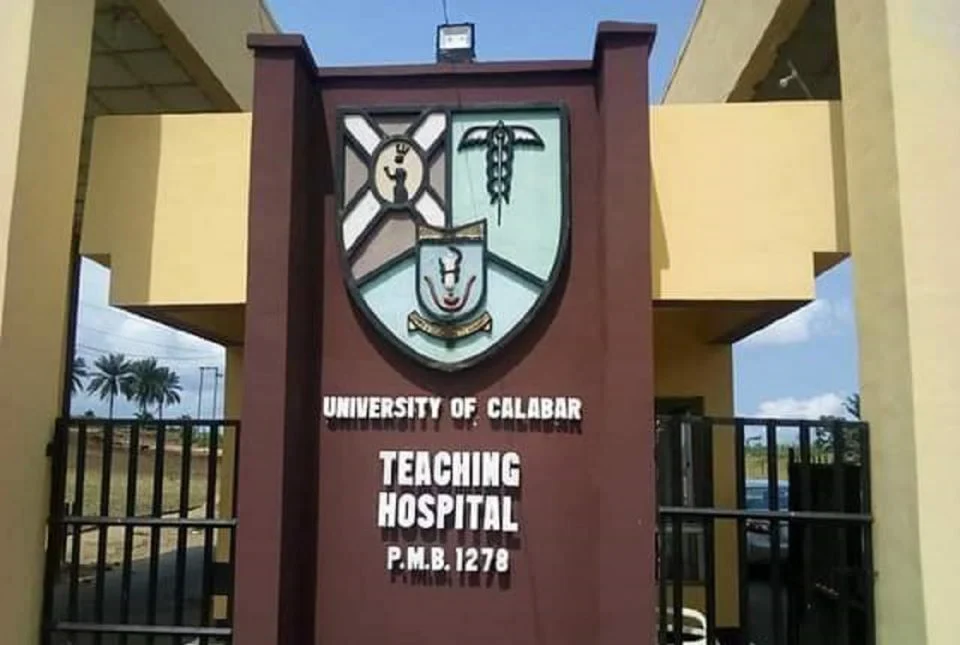
The management of the University of Calabar Teaching Hospital, UCTH, have announced that there are over 50 corpses in their morgues that have been abandoned for over 10 years, more than the statutory three months period.
The UCTH management have explained that the hospital no longer has space in the morgue to preserve more bodies.
According to the hospital’s management, relatives of the deceased have not come to claim the bodies after several years.
As a result, Chairman of the Special Task Force on the Evacuation of Abandoned and Unclaimed Corpses at UCTH, Dr David Ushie, said a decision has been taken to conduct mass burial of the abandoned corpses on Wednesday, 21 October 2026, after the expiration of a three weeks grace period.
The management, however, again called on families and individuals with unclaimed corpses in the morgue to identify and retrieve them on or before October 21, 2026.
Ushie disclosed that the hospital made efforts to locate relatives of the deceased, all to no avail, warning that all bodies still unclaimed would be given mass burial without further notice.
“The October 21 deadline remains firm. The hospital would not issue another notice before carrying out the mass burial”, he stressed.
Speaking earlier on behalf of the Chief Medical Director of UCTH, Prof. Ikpeme Ikpeme, Deputy Chairman of the Medical Advisory Committee in charge of Clinical Services, Dr Stephen Ogbudu, attributed the growing number of unclaimed bodies to the rising cost of burial ceremonies and cultural practices that place significant financial responsibilities on bereaved families and their in-laws.
He noted that the directive covered corpses kept in the mortuary beyond the statutory 90-day period from the date they were deposited.
He disclosed that some of the bodies had been in the morgue for more than a decade.
According to him, the prolonged storage of the bodies has made it necessary to undertake the evacuation exercise to ease pressure on the mortuary, improve sanitation and create a better environment for clinical services.
-
 Health & Wellness1 year ago
President Tinubu Directs Cut in Dialysis Cost from ₦50,000 to ₦12,000
-
News2 years ago
CBN Debunks Fake Circular on New ₦5,000 and ₦10,000 Notes
-

 Business7 months ago
Dangote Refinery Reduces Petrol Gantry Price To ₦1,200 Per Litre
-

 International News7 months ago
Indian Police Arrest Nigerian Over ₦290m Drug Haul
-

 Business7 months ago
After Plea Bargain, Court Discharges Stella Oduah of ₦2.5bn Fraud
-
Business2 years ago
Dangote; We Did Not Fix ₦600/Litre Petrol Price
-
 Trending News1 year ago
NELFUND Disburses ₦86bn To 449,000 Beneficiaries
-
 Opinion2 years ago
Championing the People’s Voice: Obasa’s Dedication to Grassroots Representation By Dave Agboola⁰